






The New Engine of Growth
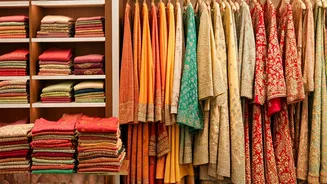
For decades, India's fashion narrative was dictated by Mumbai and Delhi. However, the real momentum is now building in cities like Jaipur, Lucknow, Indore, and Coimbatore. [19] These urban centers are now the primary growth engine for the ethnic wear
market. [2] Factors like rising disposable incomes, rapid urbanization, and deep digital penetration have created a new, formidable consumer base. [4, 7] This demographic is aspirational, digitally connected, and increasingly fashion-conscious. [18] Analysts project that the Indian ethnic wear market is on a significant growth trajectory, expected to reach nearly $27 billion by fiscal year 2026. [2] A substantial portion of this growth is attributed to non-metro areas, with some reports indicating that Tier-II and III cities already account for over 60% of online ethnic wear sales. [2]
What the Tier-II Consumer Wants
Brands cannot simply replicate their metro playbook in these new markets. [18] The Tier-II consumer is discerning, seeking a blend of quality, affordability, and trendiness. [8] While there is a strong appreciation for traditional attire, there's a growing demand for fusion wear that mixes Indian crafts with contemporary silhouettes, like kurtas paired with jackets or lehengas with crop tops. [2, 4] This consumer is also highly influenced by social media, looking to regional influencers and digital platforms for style inspiration. [7, 10] They are value-driven but also aspirational, showing a growing interest in branded apparel over unorganized local options. [3, 8] This has led to a market where practicality, comfort, and style must intersect at an accessible price point. [18]
How Brands Are Adapting
Smart brands are pivoting their strategies to cater specifically to this burgeoning market. A key trend is the launch of sub-brands or specialized collections. For instance, BIBA has introduced 'BIBA NXT' and Libas has launched 'Gerua', both targeting younger consumers with more accessible price points and fusion designs. [6] Pricing is a critical adaptation, with many new lines positioned under ₹2,500 to encourage more frequent, non-occasional purchases. [6] Localization is another crucial strategy, with brands like Fabindia adapting their collections to reflect regional tastes. [7, 9] Furthermore, many are adopting an asset-light franchise model for physical expansion in smaller cities, which allows them to tap into local market expertise and reduce capital expenditure. [15]
The E-commerce and Phygital Revolution
E-commerce platforms have been instrumental in bridging the gap between national brands and Tier-II consumers, solving for accessibility and affordability. [11, 12] Platforms like Myntra and Ajio have seen a massive surge in customers from non-metro areas, driven by enhanced logistics and targeted digital marketing. [7, 16] This has democratized fashion, giving shoppers in the remotest regions access to a vast portfolio of brands. [11] However, physical retail remains vital. Brands are pursuing an omnichannel or 'phygital' strategy, where an online presence complements physical stores. [8] These stores are often experiential spaces that build trust and allow customers to touch and feel the products, while online channels handle discovery and wider reach. [9]
Challenges and the Road Ahead
Tapping into the Tier-II market is not without its hurdles. Competition is fierce, not just from other organized players but also from the deeply entrenched unorganized sector and local boutiques that offer customization. [13, 10] Logistics and supply chain management in diverse, smaller geographies can also be complex. [22] Moreover, brands must work hard to build authentic connections, often using vernacular content and regional influencers to resonate with local sensibilities. [18] Despite these challenges, the opportunity is immense. The brands that succeed will be those that listen to the unique aspirations of the Tier-II consumer, offering a thoughtful mix of tradition and modernity, quality and value, all delivered through a seamless blend of digital and physical experiences.