


The Power of Ingredient Overlap
The secret to a more efficient kitchen isn't about having an endless supply of recipes; it's about adopting a smarter strategy. Ingredient overlap is the practice of strategically planning meals around a core set of shared ingredients. Instead of creating
seven unique shopping lists for seven different dinners, you buy versatile items that can be used across several meals. The immediate benefits are clear: a shorter, more focused grocery list, a significant reduction in food waste, and less time spent wandering the supermarket aisles. This approach shifts the focus from individual, complex recipes to flexible, component-based cooking.
Choose Your Staples Wisely
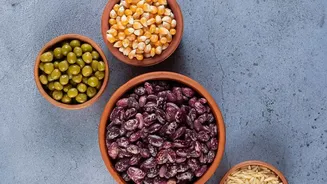
Success starts with your shopping list. Building a plan around ingredient overlap requires choosing items that are culinary multitaskers. Think of foods that can form the base of many different dishes. Good choices for proteins include chicken, ground beef, eggs, and canned beans like chickpeas. For vegetables, items like onions, bell peppers, broccoli, carrots, and potatoes are incredibly adaptable. Starches such as rice, pasta, and tortillas can tie countless meals together. By starting with a handful of these core components, you create a foundation for a week's worth of varied, interesting meals without buying speciality items that might only be used once.
The Magic of Changing Your Method
The true creative power of this strategy comes from applying different cooking methods to the same ingredient. The way food is cooked dramatically alters its texture, flavor, and appearance. Take the humble potato: on Monday, it can be roasted until crispy to serve alongside chicken. On Wednesday, it can be boiled and mashed for a comforting side. By Friday, it can be diced and fried with onions and peppers for a breakfast-for-dinner hash. The same principle applies everywhere. Chicken breast can be grilled for a salad one night, then stir-fried with vegetables the next, and finally shredded for tacos or quesadillas. It is the same core ingredient, but the experience is completely different, which prevents mealtime boredom.
Putting It All Into Practice
Let’s map out a practical example. Imagine you buy a whole chicken, a bag of carrots, and some onions. On Sunday, you might roast the entire chicken with some of the carrots. That’s dinner number one. On Monday, you can shred the leftover chicken meat to make chicken salad sandwiches for lunch or a quick chicken stir-fry for dinner. By Tuesday, you can use the chicken carcass to make a simple, flavourful broth. That broth then becomes the base for a hearty chicken noodle soup using the rest of your carrots and onions. With one primary purchase, you have anchored three completely different meals, minimizing waste and maximizing value. This model works for nearly any staple ingredient you choose.
Simple Tips for Lasting Success
Embracing this cooking style is a marathon, not a sprint. Start by auditing your pantry and fridge before you shop to see what you already have. Begin to think in terms of “components”—like a batch of cooked rice, roasted vegetables, or a versatile protein—that you can mix and match throughout the week. Don't overcomplicate things. Simple seasonings and sauces can go a long way in changing a dish's flavour profile. A sprinkle of Mexican spices turns chicken into a filling for tacos, while a bit of soy sauce and ginger makes it perfect for a stir-fry.