


A Surprising Rise to Fame
In the world of travel trends, familiar names often dominate the lists. Yet, a recent report by travel search engine Skyscanner revealed a surprising contender for 2027: Rupsi, Assam. The small town saw a staggering 502% year-on-year increase in flight
searches from Indian travellers, placing it second on a global list of trending destinations. Topping the list was Bishkek, Kyrgyzstan, but Rupsi’s inclusion has shone a spotlight on a region of India that has largely remained off the mainstream tourist map. This surge in interest isn't about a sudden wave of new resorts or attractions; rather, it speaks to a growing appetite among Indian travellers for unexplored destinations and the transformative power of improved connectivity.
The Airport That Reopened a Region
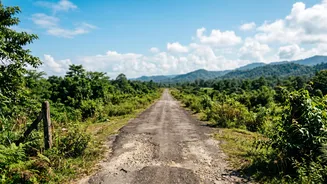
The key to understanding Rupsi’s newfound popularity is its airport. Originally a British-built airstrip used during World War II, Rupsi Airport lay dormant for nearly four decades after regional airline Vayudoot ceased operations in 1984. For years, Western Assam remained relatively inaccessible to travellers from other parts of the country. That all changed with its revival under the government's UDAN regional connectivity scheme. Commercial flights resumed in May 2021, with services connecting Rupsi to major hubs like Guwahati and Kolkata. This reopened a critical gateway, not just to Rupsi itself but to the broader districts of Dhubri, Kokrajhar, and the entire Bodoland Territorial Region. The airport’s revival is a textbook example of how infrastructure can unlock tourism potential, making it easier and more affordable for curious travellers to venture into lesser-known territories.
Beyond the Runway: A Gateway to Culture and Nature
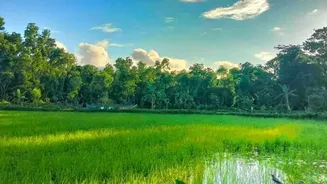
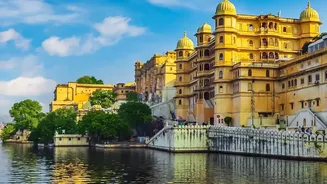
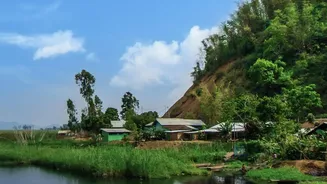
While the airport is the enabler, the region’s rich tapestry of culture, history, and nature is the real draw. Rupsi serves as a convenient starting point for exploring the diverse attractions of Western Assam. Just a short distance away is the town of Gauripur, home to the historic Matiabag Royal Palace, which offers a glimpse into the area's regal past. Another unique destination is the village of Asharikandi, renowned for its traditional terracotta and clay crafts, where visitors can witness artisans at work. For those interested in spiritual heritage, the region is home to significant landmarks. The Gurudwara Sri Guru Tegh Bahadur Sahib Ji in Dhubri, situated on the banks of the Brahmaputra, is a major pilgrimage site with a history dating back to the 17th century. Additionally, the ancient Mahamaya Dham, a revered Shakti Peeth, attracts devotees from across the state.
Exploring Assam’s Wild Side
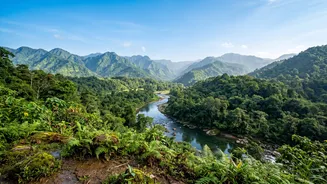
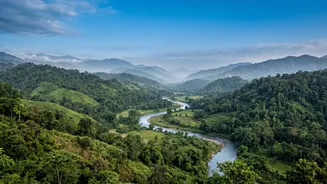
The area around Rupsi is also a portal to Assam’s incredible biodiversity. The airport provides access to Raimona National Park in Kokrajhar, celebrated for its population of golden langurs and other rich wildlife. Chakrashila Wildlife Sanctuary, the state's first sanctuary with a primary focus on the golden langur, is another key conservation area nearby. While the more famous Manas National Park is a longer drive away, Rupsi's connectivity makes it a more feasible part of a wider Assam itinerary. This blend of accessible wildlife and unique cultural sites is what defines the appeal of this emerging tourist circuit, offering a quieter, more immersive alternative to the state’s more established destinations.