


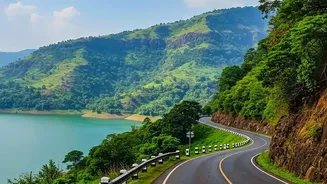
Experience Post-Monsoon Bliss
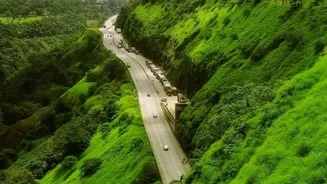
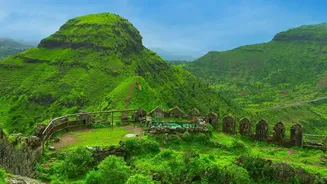
Across the country, the rainy season leaves behind a world washed clean and vibrant. In destinations like Kerala, the backwaters are brimming and the tea plantations in Munnar and Wayanad are a dazzling shade of emerald green. This period is perfect for
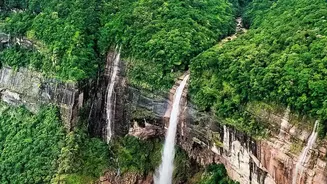
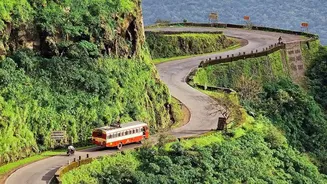
nature lovers who want to see landscapes at their most lush and beautiful. Waterfalls are in full flow, forests are dense, and the air is fresh. Hill stations in the Western Ghats, such as Coorg and Mahabaleshwar, are particularly scenic, with misty mornings and the lingering scent of wet earth. It's an ideal time for photography, scenic drives, and simply soaking in the revitalised natural beauty before the dry season begins.
Dive into a World of Festivals
This two-month period is packed with some of India's most vibrant cultural and religious celebrations. In West Bengal, the grand festival of Durga Puja is expected to take place from mid-October, transforming cities like Kolkata into open-air art galleries with elaborate 'pandals' (temporary shrines). In the northeast, the Ziro Festival of Music in Arunachal Pradesh, scheduled for the last week of September 2026, draws indie music lovers from all over for its unique blend of sound and scenery. Major festivals like Navratri and Dussehra also fall in October, offering a chance to witness diverse cultural traditions, from Gujarat's energetic Garba dances to the grand processions in Kullu. These events provide a deep dive into the cultural fabric of India.
Enjoy Favourable Weather and Fewer Crowds
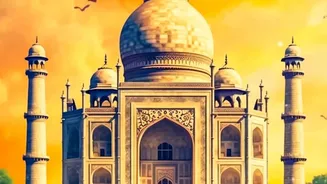
This 'shoulder season' strikes a perfect balance. The intense heat of summer and the heavy rains of the monsoon have passed, but the peak tourist rush of winter has not yet begun. In places like Rajasthan, the weather becomes much more comfortable for exploring majestic forts and palaces in cities like Jaipur and Udaipur. Similarly, iconic sites like the Taj Mahal in Agra are more pleasant to visit. For beach lovers, Goa's shacks and watersports begin to reopen in October, but the peak season crowds have yet to arrive, offering a more relaxed coastal experience. This period often means better deals on flights and accommodation, allowing for a more comfortable and budget-friendly trip.
Witness Autumn Colours in the Himalayas
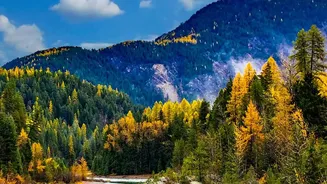
While most of India glows green, the Himalayas put on a different kind of show. In Kashmir, October is when the famous Chinar trees turn fiery shades of red, orange, and gold, creating breathtaking vistas, especially in Srinagar's Mughal gardens. A shikara ride on Dal Lake during this time is particularly magical. In Himachal Pradesh and Uttarakhand, the post-monsoon air is crisp and the skies are clear, offering stunning, unobstructed views of the snow-capped peaks. Places like Spiti Valley have a short window in September and early October before winter snow closes the high passes, making it the last chance for an adventurous road trip through its starkly beautiful landscapes.
Seek Adventure and Wildlife
For the adventurous, September and October are prime months. With the monsoon over, trekking trails in the Himalayas become accessible again. Rishikesh offers thrilling white-water rafting on the Ganges as water levels are ideal. It's also a great time for wildlife enthusiasts. Many national parks, like Bandhavgarh and Kanha in Madhya Pradesh, reopen after the monsoon, and the refreshed forests make for beautiful safari backdrops. The chances of spotting wildlife increase as animals often come out to enjoy the pleasant weather.