


The Hidden Risks in 'Natural' DIY Cleaners
Creating your own cleaning products can feel empowering. It promises a home free from harsh industrial chemicals and often saves money. The internet is filled with recipes using common pantry items like vinegar, baking soda, and essential oils. However,
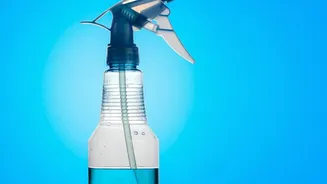
a significant gap exists between what is 'natural' and what is truly safe for animals. Pets are more vulnerable to toxins due to their size, their proximity to the floor, and their grooming habits, which involve licking paws and fur. What might be a harmless ingredient for humans can be problematic for a dog or cat, and the danger is magnified when these concoctions are mixed without understanding the chemistry or the toxic dose for an animal. Unlabelled spray bottles of homemade solutions also pose a risk of misuse or accidental ingestion.
Common Ingredients That Can Harm Pets
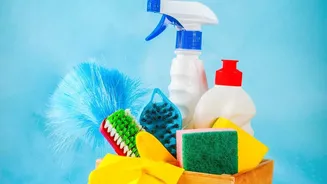
Many popular DIY cleaning ingredients can be surprisingly hazardous. Undiluted vinegar, for example, is highly acidic and can cause gastrointestinal upset, pain, or irritation if licked from paws. Its strong smell can also be overwhelming to a pet's sensitive nose. Essential oils are another major concern. While they add a pleasant scent, many are toxic to pets, especially cats, whose livers cannot process compounds like phenols effectively. Oils such as tea tree, pine, citrus, peppermint, and cinnamon can cause everything from digestive upset to neurological damage and liver failure if ingested or absorbed through the skin. Even some commercial cleaners contain ingredients to avoid, like ammonia, chlorine bleach, and certain disinfectants like quaternary ammonium compounds, which can irritate skin, eyes, and airways.
How to Choose a Genuinely Pet-Safe Cleaner
When buying a commercial floor cleaner, look past the marketing claims on the front of the bottle. A truly pet-safe product will be transparent about its ingredients. Seek out formulas that are pH-neutral, as they are less likely to cause irritation. Opt for products that are free of ammonia, chlorine, phosphates, and phthalates. Be wary of vague terms like "fragrance," which can hide a cocktail of irritating chemicals. The safest options are often plant-based, using ingredients like vegetable soaps or coconut oil surfactants, and are biodegradable. Full ingredient disclosure is the mark of a trustworthy brand, allowing you to screen for potential hazards before bringing a product into your home.
Smarter Cleaning Strategies for Pet Homes
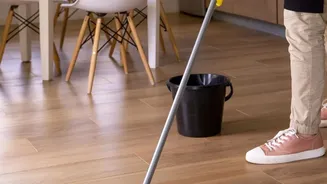
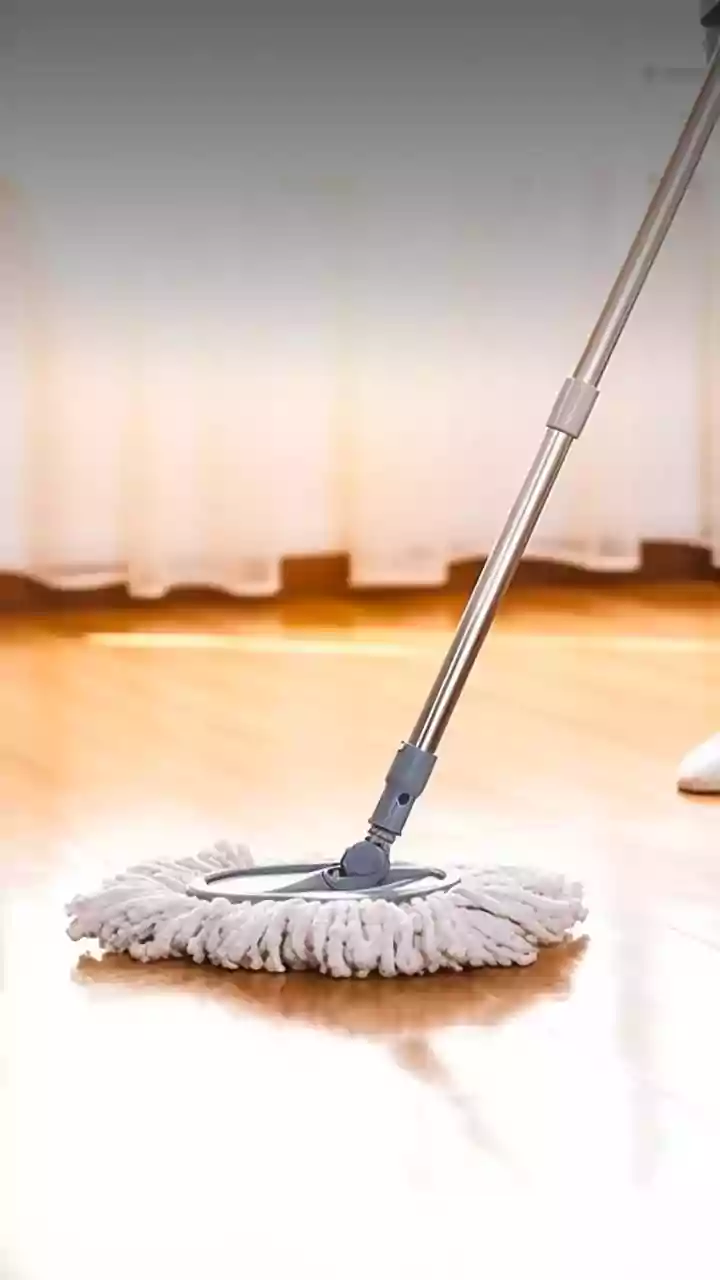
Safe floor care is about more than just the product; it's about the process. One of the safest and most effective methods involves no chemicals at all: a steam mop on sealed surfaces or a good quality microfiber mop with hot water can remove a surprising amount of dirt and grime. If you do need a cleaning solution, a very simple mix of a few drops of unscented castile soap in a bucket of warm water is a gentler option for many floor types, though it's best for non-wood floors. Crucially, no matter what you use, it's vital to rinse the floor with plain water afterward to remove any residue. This final step ensures that your pet isn't walking on, and later ingesting, a film of cleaning solution.
Best Practices for Any Cleaning Routine
Regardless of your chosen cleaner, a few universal rules will drastically increase safety. Always keep pets out of the area while you are actively cleaning and do not let them back in until all surfaces are completely dry. This simple step prevents them from getting chemicals on their paws or fur. Ensure the room is well-ventilated by opening windows to dissipate any fumes. Finally, store all cleaning products, whether homemade or store-bought, in a secure cabinet that is well out of reach of curious pets and children. Clear, accurate labels on any DIY mixes are essential to prevent accidents.