




The New Retail Battleground
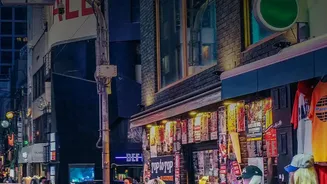
The main streets and newly opened malls of India’s Tier-II and Tier-III cities have become the new frontier for fashion retail. Brands like Zudio, Reliance Trends, Max Fashion, and even international names like Zara are aggressively expanding their footprint
beyond the traditional metro hubs. This shift marks a significant moment in India’s economic story, where consumption growth is increasingly happening outside of Delhi and Mumbai. According to a recent report, retail in these smaller cities is expanding nearly twice as fast as in metropolitan areas, driven by a powerful combination of rising incomes and surging aspirations. This rapid expansion is visible not just in apparel but across lifestyle categories, signaling a fundamental change in the country's consumer landscape. For brands, these cities represent a vast, untapped market hungry for trendy, affordable options that were previously only accessible through occasional trips to a big city or via e-commerce.
Why Your City is on the Radar
Several factors are fueling this retail gold rush. The primary driver is economic: disposable incomes in non-metro areas are climbing, creating a new class of consumers ready to spend on more than just essentials. This economic empowerment is amplified by digital exposure. With high smartphone penetration, social media platforms like Instagram have become virtual window displays, making global trends instantly accessible to young, fashion-conscious shoppers everywhere. As a result, consumer expectations in smaller cities are now nearly identical to those in metros regarding newness and style. For retailers, the business case is equally compelling. Lower operational costs and less competition make it easier to achieve profitability in these emerging markets compared to the saturated, high-rent environments of major cities. Brands like Zudio, part of the Tata Group, have built their entire strategy around capturing these markets by offering on-trend fashion at highly affordable price points, often under ₹999.
A Flood of Choice, A Trickle of Quality?
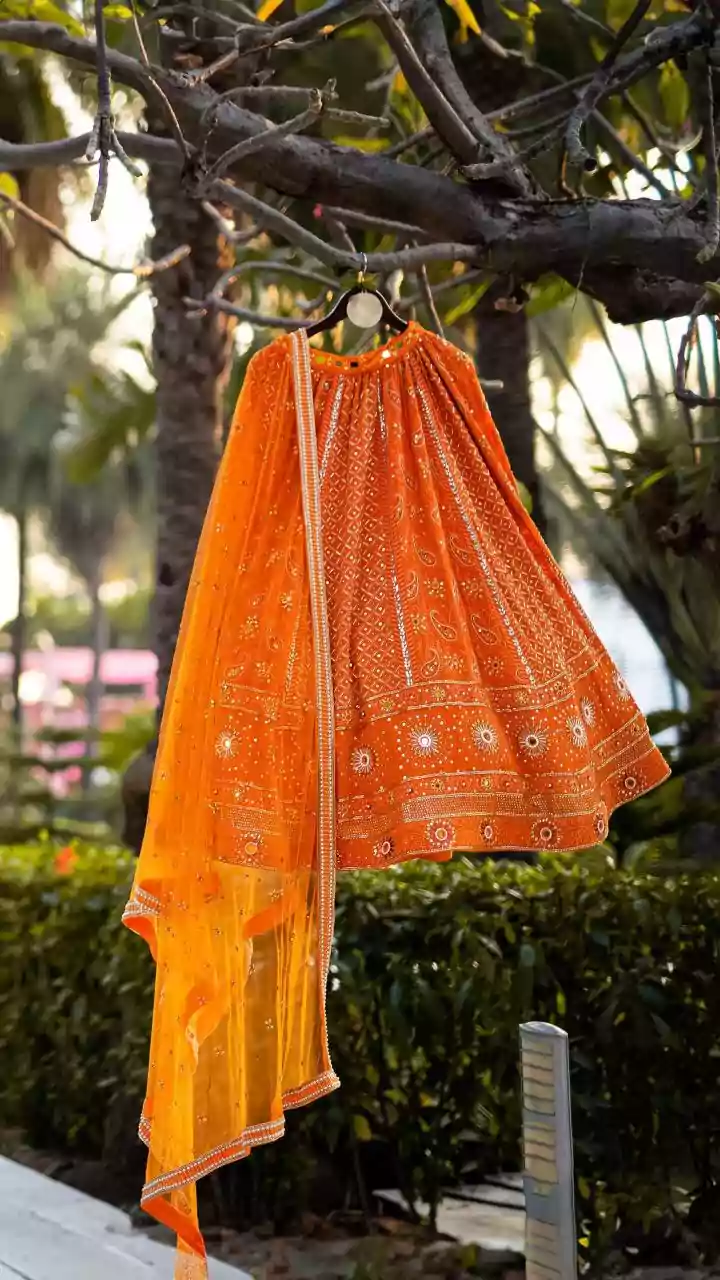
For shoppers, this influx of brands is a welcome change, bringing unprecedented choice and affordability. However, the headline's promise of "more quality variation" is the subtle but crucial catch. The fast-fashion business model is built on speed and low cost. To keep prices down and refresh inventory weekly, manufacturers often use lower-quality materials and streamlined production processes. This results in garments that may look trendy but often lack durability, designed for a short lifecycle to encourage repeat purchases. While shoppers get access to the latest styles, they also face a marketplace where distinguishing between well-made bargains and poorly constructed clothes becomes a new skill. This rapid cycle of production and consumption also carries significant environmental costs, contributing to a massive increase in textile waste, with India now generating millions of tonnes annually. Much of this waste ends up in landfills, as only a small fraction is effectively recycled back into new clothing.
The Double-Edged Sword for Local Markets
The arrival of large, organised retail chains presents both an opportunity and a threat to local economies. On one hand, these new stores create jobs in retail and logistics and can drive footfall to commercial areas. On the other hand, they pose a significant challenge to small, independent boutiques and local tailors who have traditionally served these communities. The scale and pricing power of large corporations can create an uneven playing field, making it difficult for smaller businesses to compete. This trend reflects a broader formalisation of the retail sector, which can lead to market consolidation. While some local consumers benefit from lower prices and greater variety, the long-term impact on the diversity of the local retail ecosystem remains a concern for many. The dominance of a few major players could ultimately limit consumer choice in a different way, as unique local offerings are pushed out by mass-market trends.