







A Delayed Arrival
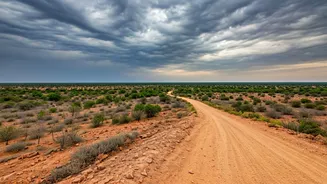
The southwest monsoon officially entered eastern Rajasthan on July 2, 2026, a full week behind its normal onset date of June 25. This delay followed a prolonged dry and hot spell, with some parts of the state like Sri Ganganagar recording temperatures
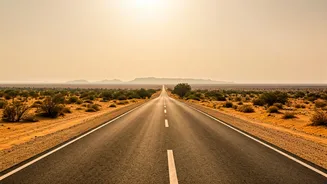
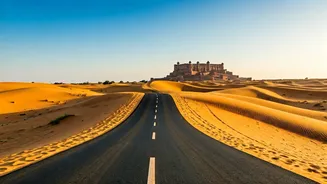
as high as 45.1°C in late June. For travellers who had booked trips expecting lush, rain-washed landscapes, the extended wait meant confronting a hotter, drier reality. However, the India Meteorological Department (IMD) has confirmed the monsoon's arrival in eastern districts, including parts of the Jaipur, Kota, Udaipur, and Bharatpur divisions, bringing widespread relief.
Impact on the Ground
A delayed monsoon has a tangible effect on the tourist experience. The iconic lakes of Udaipur, a major monsoon attraction, await the substantial rainfall needed to restore their full splendour. Similarly, the normally vibrant green of the Aravalli hills surrounding cities like Jaipur and Alwar was slow to appear this year. This delay also has an economic ripple effect. The tourism industry, which contributes significantly to the state's economy, often sees a dip in occupancy during the peak summer months. While the recent arrival of rain is expected to boost arrivals, the initial delay kept hotel occupancy lower than hoped for in late June.
A Shifting Travel Strategy
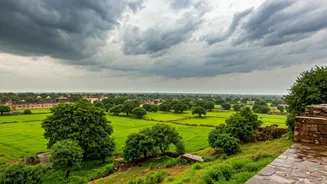
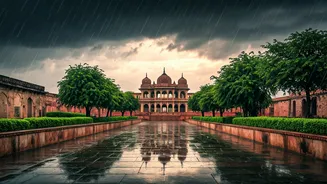
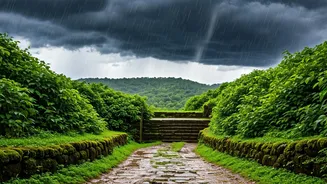
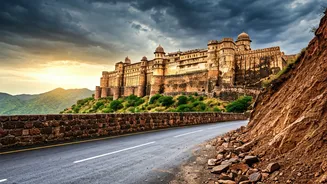
The late arrival of the rains doesn't mean travel plans have to be cancelled. In fact, it has created a different kind of travel opportunity. With fewer crowds than in the peak winter season, exploring iconic forts and palaces in cities like Jaipur and Jodhpur is a more personal experience. Before the rains, wildlife sightings in parks like Ranthambore were potentially more frequent as animals gathered at remaining waterholes. Now that the rains have begun, the landscape will quickly transform. The focus shifts to enjoying the fresh greenery, the dramatic cloudy skies, and the romantic atmosphere that the monsoon brings to heritage properties and lakeside cities.
What to Expect Now
With the monsoon now active, the IMD has forecast moderate to heavy rainfall across eastern and southeastern Rajasthan, with warnings for extremely heavy downpours in isolated areas like the Kota division. This means travellers can expect the classic monsoon experience: vibrant green landscapes, active waterfalls, and cooler temperatures. However, it also brings the possibility of travel disruptions. Heavy showers can lead to waterlogging in cities and make road travel slower. It's wise to build extra time into itineraries and stay updated with local weather advisories. The IMD predicts the monsoon will advance into the remaining parts of Rajasthan over the next few days.
Advice for the Monsoon Traveller
If you're heading to Rajasthan now, embrace the season. Pack light cotton clothing, but also include a light jacket for cooler, rain-swept evenings and a waterproof poncho or umbrella. While the state is now entering its wet season, the IMD's forecast for July suggests that overall rainfall for the month might be below normal for India as a whole, so you may still enjoy many clear periods. This is an excellent time to find off-season deals at luxury and heritage hotels. Focus on destinations that come alive in the rain, like Udaipur, Mount Abu, and Bundi, where the refreshed landscape adds a layer of magic to the historical architecture.