








An Unsettling Pattern
The feeling around Old Trafford is one of frustrating déjà vu. The recent run of form, which includes defeats in the Premier League and struggles in Europe, is not a sudden collapse but the result of problems that have been simmering all season. The draw
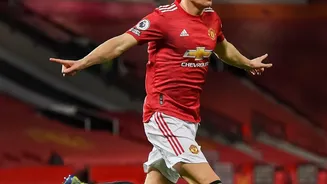
against Leeds encapsulated it all: a moment of individual brilliance to take the lead, followed by an inability to control the game, costly defensive errors, and an ultimate failure to secure a much-needed win. This pattern of flattering to deceive has left the team looking devoid of confidence and the manager, Erik ten Hag, facing mounting pressure from the media and the stands. Each game seems to follow a similar script, where promising spells are undone by basic mistakes and a visible drop in belief as soon as the team faces adversity.
Tactical Stagnation
When Erik ten Hag arrived, he brought a clear tactical philosophy that briefly promised a new era. Now, that system appears rigid and predictable. Opposing managers seem to have figured United out: sit deep, absorb pressure, and hit them on the counter-attack. The team struggles to break down organised, low-block defences, often resorting to hopeful crosses or individual attempts that rarely succeed. There is a noticeable lack of a 'Plan B'. When the initial approach fails, there seems to be no alternative strategy to change the flow of the game. Substitutions often feel like-for-like, failing to introduce a new tactical dimension. This inflexibility makes United look one-dimensional and, for a club of its stature, surprisingly easy to play against.
A Misfiring Attack
A football team that cannot score goals cannot win games, and United's attack has looked alarmingly blunt. Key forwards are desperately out of form. Players who were decisive last season are now peripheral figures, struggling to impact games. The central striker often looks isolated, starved of quality service from the midfield, which itself has lacked the creative spark needed to unlock defences. The connection between the midfield and the attack is broken. Build-up play is often too slow and ponderous, allowing opponents to get back into their defensive shape with ease. Without a reliable source of goals, the pressure on the defence becomes immense, as the team knows a single mistake at the back is unlikely to be redeemed by the forwards.
Defensive Frailty and Individual Errors
For all the money spent on strengthening the backline over the years, defensive stability remains a distant dream. The 2026-27 season has been plagued by the same old story: costly individual errors leading directly to goals. Whether it is a misplaced pass, a lapse in concentration, or poor positioning, at least one defender seems to make a critical mistake in every match. Injuries to key personnel have not helped, preventing the establishment of a settled and cohesive defensive unit. Goalkeeping errors, once thought to be a thing of the past, have also crept back in. This constant defensive vulnerability means the team is always on edge, unable to build the foundation of confidence that comes from keeping clean sheets.
The Question of Mentality
Ultimately, the issues at Manchester United appear to run deeper than just tactics or personnel. There is a palpable crisis of confidence. The manager himself has alluded to a lack of 'belief' in his post-match interviews. The players' shoulders drop after conceding, and they seem incapable of managing games from winning positions. This psychological fragility is perhaps the most worrying aspect of the current slump. Is it the pressure of the badge? Is it a dressing room that is not fully behind the manager? Or is it a symptom of a wider malaise at a club still struggling to define its identity in the post-Sir Alex Ferguson era? These are the difficult questions the hierarchy must answer.