


The Monsoon Water Paradox
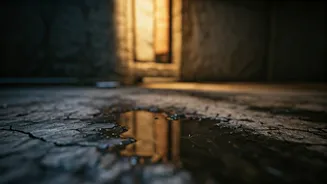
The monsoon replenishes our rivers and quenches the dry earth, but this annual deluge comes with a significant public health challenge. Heavy rainfall can overwhelm our civic infrastructure. Drains overflow, sewage systems get inundated, and this contaminated
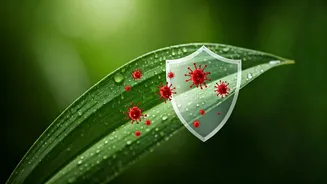
water often seeps into the pipelines that supply our homes. Cracks or leaks in ageing pipes, which might be minor issues in the dry season, become major entry points for bacteria, viruses, and other pathogens. The result is that the water coming from your tap, even if it looks clear, might be a carrier for serious waterborne diseases. This isn't just an issue in rural areas; urban water supply networks are equally vulnerable to this seasonal contamination.
The Invisible Threat in Your Glass
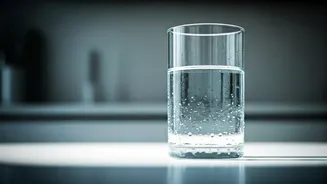
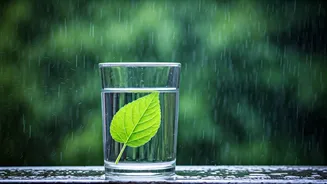
One of the most dangerous myths about water is that you can judge its safety by its appearance. Crystal-clear water can still be teeming with harmful microorganisms. During the monsoon, the risk of contamination from bacteria like E. coli, Salmonella (causing typhoid), and Vibrio cholerae (causing cholera) increases dramatically. Viruses, such as Hepatitis A and E, and protozoa like Giardia and Cryptosporidium, also thrive in these conditions. These pathogens are responsible for a host of illnesses characterised by symptoms like diarrhoea, vomiting, fever, and abdominal pain. For children, the elderly, and those with weakened immune systems, these illnesses can be particularly severe, sometimes leading to hospitalisation.
Step 1: Boiling — The Gold Standard
The simplest, oldest, and most effective method for purifying water at home remains boiling. It is a non-negotiable first line of defence. Bringing water to a rolling boil and maintaining it for at least one full minute kills virtually all bacteria, viruses, and protozoa. At higher altitudes, it's recommended to boil for three minutes. After boiling, allow the water to cool down on its own without adding ice from an unverified source. Store it in a clean, covered container. This method requires no special equipment, only fuel and a bit of time, making it the most accessible and reliable way to ensure your family's drinking water is safe.
Step 2: Filtration and Chemical Methods
If boiling is not possible, or if you want an additional layer of safety, other methods can be effective. Chlorine tablets are a good option, especially for travel or in emergency situations. They are effective against most bacteria and viruses, but less so against certain protozoa. Always follow the manufacturer's instructions, as the taste can be a drawback for some. On the other hand, gravity-based water filters, often using ceramic 'candles', are a common sight in Indian homes. They are excellent for removing sediments and larger pathogens like bacteria and protozoa, but may not be effective against viruses. These filters need regular and thorough cleaning to prevent them from becoming a breeding ground for germs themselves.
Step 3: Modern Purifiers (UV and RO)
For those who can invest in technology, modern water purifiers offer advanced protection. UV (Ultraviolet) purifiers use UV light to kill microorganisms by damaging their DNA. They are very effective against bacteria and viruses but do not remove dissolved impurities or heavy metals. RO (Reverse Osmosis) purifiers push water through a semi-permeable membrane, which blocks not only microorganisms but also dissolved salts and heavy metals. Many modern purifiers combine RO, UV, and UF (Ultrafiltration) for comprehensive, multi-stage purification. While these systems are highly effective, they require electricity, regular maintenance, and can be expensive. An RO system also wastes a significant amount of water in the purification process.
Beyond the Drinking Glass
Ensuring safe water isn't just about what you drink. During the monsoon, it’s wise to use purified water for other purposes too. This includes water for brushing your teeth, washing raw fruits and vegetables, and making ice. Ice cubes made from contaminated water are a common source of infection. Be cautious about drinking juices, lassis, or golas from street vendors, as the water source or the ice used may not be safe. A little extra diligence in these areas can go a long way in preventing illness.