






The Theory Behind Steam Inhalation
The logic behind using steam for congestion is straightforward. Inhaling warm, moist air is thought to help thin and loosen the mucus in your nasal passages and sinuses. This process, known as improving mucociliary clearance, can make it easier to clear out
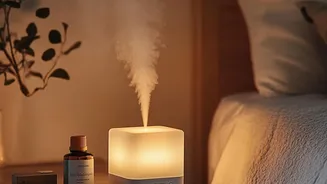
congestion and may provide a temporary feeling of relief from that 'stuffed-up' sensation. The warmth can also feel soothing to irritated tissues in the nose and throat. This simple remedy can be done in several ways: leaning over a bowl of hot water, taking a hot and steamy shower, or using a personal steam inhaler or vaporiser. For many, it's an accessible first line of defence against the discomfort of a common cold or sinus pressure.
Do Herbs Add Real Benefits?
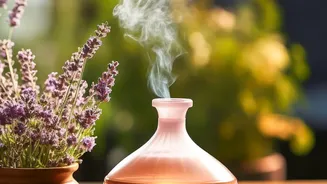
Many people add herbs or essential oils to their steam, with eucalyptus, peppermint, and chamomile being popular choices. The idea is that these botanicals can enhance the steam's effects. For instance, the menthol in peppermint creates a cooling sensation that can trick the brain into feeling like your airways are more open. Eucalyptus contains a compound called 1,8-cineole, which has been studied for its potential to act as a decongestant and break down mucus. While these additions can certainly make the experience feel more therapeutic and aromatic, it is important to understand that the primary mechanism of action is the steam itself—the moisture and warmth doing the heavy lifting. The added scents largely provide subjective, or personally felt, relief rather than a scientifically proven cure.
The Evidence for Relief: Helpful or Hype?
While steam inhalation can feel good, the scientific evidence for its effectiveness is mixed. It is not considered a medical treatment and does not cure the underlying infection or allergy causing the congestion. Several studies and reviews, including a notable Cochrane review, have found that while some people report symptomatic relief, the overall evidence that it speeds up recovery from conditions like the common cold is weak or inadequate. The benefits are generally considered temporary and subjective. Essentially, it can make you feel better for a short time by moisturising your nasal passages and loosening mucus, but it won't necessarily shorten the duration of your illness. Medical professionals often view it as a supportive comfort measure rather than a primary treatment.
The Unseen Danger: Serious Scald Burns
The most significant and often overlooked risk of traditional steam inhalation is severe burns. Using a bowl filled with recently boiled water creates a major hazard. Accidental spills can cause devastating scalds to the face, chest, and lap. Children are particularly vulnerable to these kinds of accidents. Burn centres in the UK's NHS have reported treating a rising number of patients, especially young children, for serious burns sustained during steam inhalation. The injuries can be so severe they require surgery and lead to permanent scarring. Beyond spills, getting your face too close to the hot water can also cause direct steam burns to the delicate skin on the face and even damage the nasal passages. This risk has led some health organisations to actively discourage the practice, especially the bowl-and-towel method.
A Safer Guide to Steam Inhalation
If you choose to use steam, it is crucial to prioritise safety to minimise the risk of burns. The safest method is to sit in a closed bathroom while a hot shower runs, filling the room with steam without direct contact with hot water. If you do use a bowl, follow these harm-reduction steps: First, never use boiling water; let it cool for a few minutes before you begin. Place the bowl on a low, flat, and stable surface where it cannot be easily knocked over. Maintain a safe distance, keeping your face at least 8 to 12 inches away from the water. Instead of sealing yourself under a towel, which can be claustrophobic and trap intensely hot steam, simply lean over the bowl. Limit sessions to 5-10 minutes. Personal electric steam inhalers can be a safer alternative as they often have temperature controls.