




What Exactly Is Being Proposed?
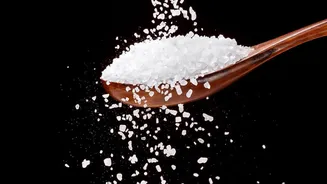
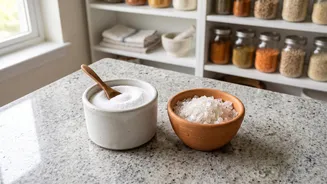
A growing consensus among India's top medical and public health experts is to promote the widespread use of lower-sodium salt substitutes (LSSS). This isn't about eliminating salt, but reformulating it. The proposal suggests replacing regular table salt (sodium
chloride) with a version where 15-30% of the sodium chloride is swapped out for potassium chloride. This idea, championed by bodies like the Indian Council of Medical Research (ICMR) and a panel of 29 leading experts, is being positioned as a simple yet powerful public health intervention, almost like a 'dietary vaccine' to combat rising rates of hypertension. The goal is to make this switch without asking people to change their cooking habits or sacrifice the taste of traditional foods.
Why the Urgent Push to Cut Sodium?
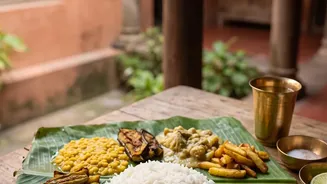
India is facing a significant health challenge linked to salt. The average Indian consumes between 8 and 11 grams of salt daily, which is nearly double the World Health Organization's recommended limit of less than 5 grams per day. This excessive sodium intake is a primary driver of high blood pressure, or hypertension, a condition affecting an estimated 220 million Indians. High blood pressure is a major risk factor for cardiovascular diseases like heart attacks and strokes, which are among the leading causes of death in the country. Studies estimate that high salt intake contributes to 175,000 deaths in India annually. With nearly 80% of sodium coming from salt added during home cooking, a change in the salt itself is seen as a highly effective strategy.
The 2025 WHO Guidance Explained
The Indian recommendation aligns directly with global health targets. In 2013, the World Health Assembly endorsed nine global targets for non-communicable diseases (NCDs), including a goal to achieve a 30% relative reduction in the mean salt intake of populations by 2025. The WHO's core recommendation is for adults to consume less than 5 grams of salt (equivalent to 2000 mg of sodium) per day. More recently, in January 2025, the WHO released specific guidelines on the use of lower-sodium salt substitutes, noting their potential to reduce blood pressure and cardiovascular risk based on extensive research. This global guidance provides a strong scientific and policy backbone for the proposal now gaining traction among Indian experts.
How Does Low-Sodium Salt Work?
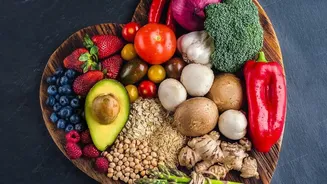
The science behind lower-sodium salt is about creating a healthier balance. By replacing some sodium chloride with potassium chloride, these substitutes tackle two problems at once. First, they directly reduce the amount of sodium consumed. High sodium levels cause the body to retain water, increasing blood volume and raising blood pressure. Second, they increase potassium intake, which is often too low in Indian diets. Potassium has an opposite effect to sodium; it helps the body excrete sodium and relaxes blood vessel walls, which helps to lower blood pressure. This dual action of reducing a harmful nutrient (excess sodium) while increasing a beneficial one (potassium) is what makes LSSS an effective tool for cardiovascular health.
Potential Benefits and Hurdles
The potential public health gains are enormous. Modelling studies have estimated that a nationwide switch to potassium-enriched salt in India could prevent between 8% and 14% of annual cardiovascular deaths. One recent study projected it could avert nearly 400,000 deaths each year. However, there are challenges. For the switch to be successful, issues of cost, taste, and public acceptance must be addressed. Experts have recommended including LSSS in government food programs like mid-day meals and the public distribution system to normalize its use and bring down costs. There are also safety considerations, particularly for individuals with advanced chronic kidney disease who cannot process high levels of potassium. However, experts note that for the vast majority of the population, the benefits far outweigh the risks.