


An Ancient Tradition Gets a Modern Makeover
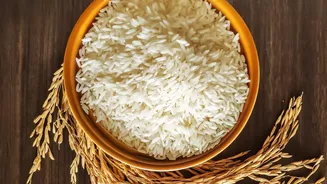
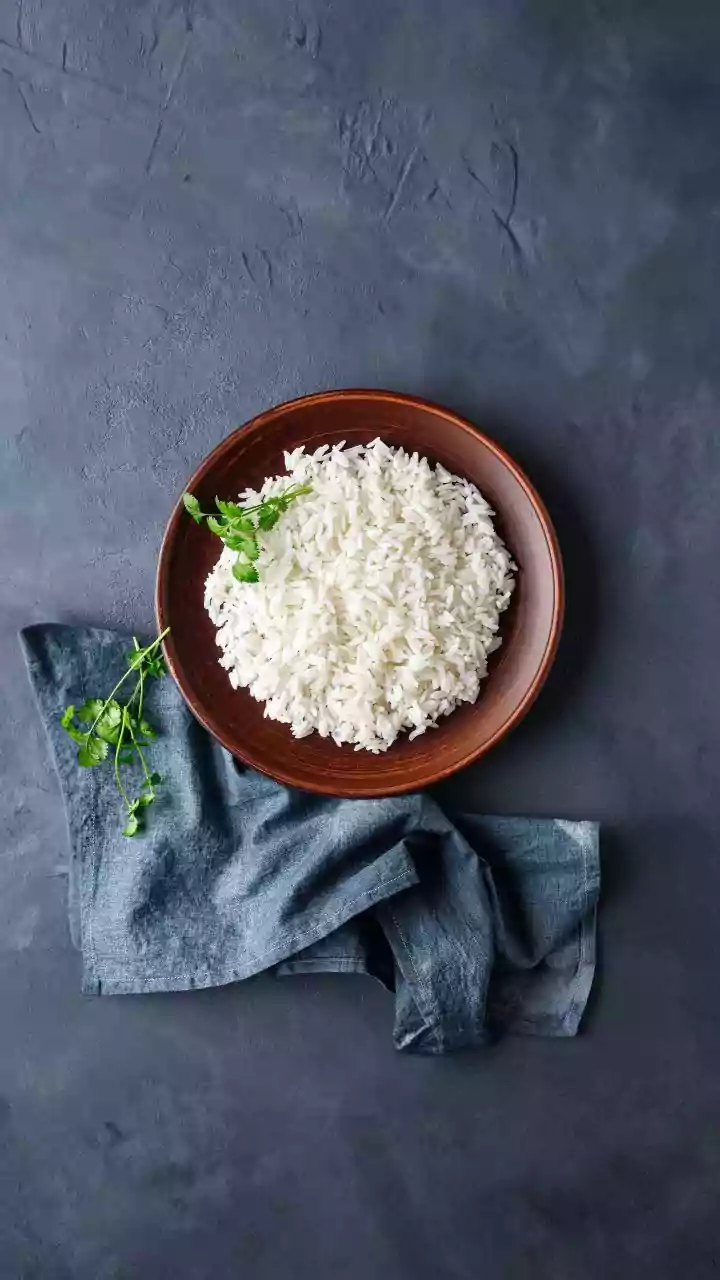
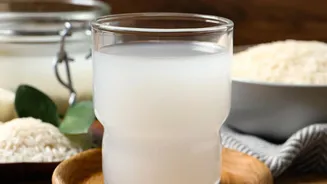
Using rice water for beauty is far from new. For centuries, particularly in East and Southeast Asia, women have used the starchy liquid left over from washing rice to care for their hair. The most cited example is that of the Yao women in China, whose
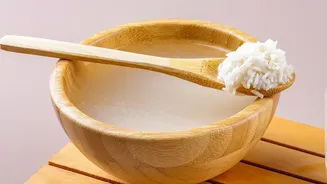
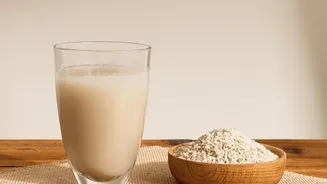
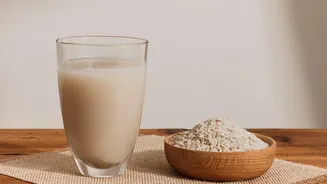
incredibly long, strong hair is traditionally washed with fermented rice water. The process is simple: rice water is left to sit for a day or two, allowing it to ferment. This fermentation lowers the water's pH and is believed to increase its concentration of beneficial compounds. Today, wellness influencers have revived this tradition, popularizing it as a DIY solution for luscious locks and, more recently, as a probiotic drink for gut health.
The Claim: A Holy Grail for Hair Growth
The primary claim driving the hair trend is that fermented rice water strengthens strands, boosts shine, and significantly accelerates hair growth. The hero ingredient often mentioned is inositol, a carbohydrate that can penetrate the hair shaft and is believed to repair damage from within. Influencers point to the vitamins, minerals, and amino acids present in the water as a nourishing cocktail that leads to healthier, longer hair. Anecdotal evidence is plentiful, with countless before-and-after photos suggesting dramatic results. The promise is alluring: an all-natural, inexpensive remedy for achieving your hair goals is sitting right in your pantry.
The Reality: Mostly Cosmetic, Not Clinical
Dermatologists and trichologists are more measured in their assessment. They agree that a rice water rinse can provide cosmetic benefits. The low pH of the fermented liquid helps to seal the hair cuticle, which reduces frizz, increases smoothness, and enhances shine. However, there is very little scientific evidence to support the claim that it actually makes hair grow faster. While inositol has been studied for hair loss, these studies often involve oral supplements for specific conditions like PCOS and don't prove that a topical rinse has the same effect. In fact, experts caution that DIY rice water isn't without risks. Overuse can lead to protein overload, making hair stiff and brittle, while improper fermentation can introduce unwanted bacteria to your scalp.
The New Frontier: A Probiotic Gut Tonic?
The trend has recently evolved, with many creators now advocating for drinking fermented rice water. The logic is that the fermentation process creates a beverage rich in probiotics, similar to kefir or kombucha. Known in some Indian cultures as 'Neeragaram', this traditional drink is believed to support a healthy gut microbiome, aid digestion, and boost immunity. The claim is that by consuming these beneficial bacteria and their byproducts (postbiotics), you can reduce inflammation and improve overall gut health from the inside out.
The Reality: A Risky DIY Experiment
While traditional, controlled fermentation of rice water can produce beneficial probiotics, health experts strongly caution against the DIY version of this trend. Unlike commercial products, home fermentation is an uncontrolled process. There is a significant risk of cultivating harmful bacteria, not just beneficial ones, which can lead to food poisoning. The resulting drink can also contain high levels of histamines, which can trigger reactions in sensitive individuals, and is not recommended for those with conditions like SIBO. Experts agree that there are far safer, more reliable ways to consume probiotics—such as yogurt, kefir, and regulated supplements—than by drinking a homemade concoction that could do more harm than good.