





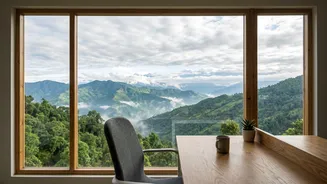
An Escape for Mind and Body
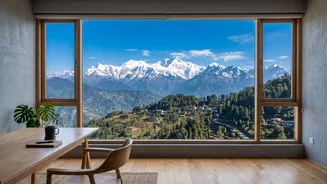
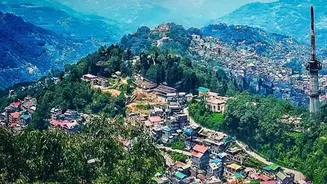
For many remote professionals, the primary draw is a much-needed change of scenery. Swapping a cramped city apartment for panoramic views of the Himalayas offers an immediate mental reset. The clean, crisp mountain air and the slower pace of life in Gangtok
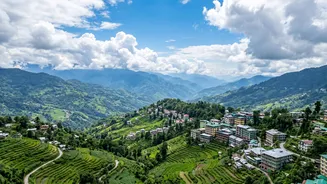
provide a stark contrast to the relentless hustle of tech hubs like Bengaluru or Hyderabad. This environment is not just about relaxation; it's about finding a sustainable work-life balance that urban settings often make difficult. The serene backdrop helps reduce burnout and fosters creativity, allowing for deep, focused work without the usual distractions of city living. The monsoon season, in particular, transforms the region into a vibrant green paradise, with clouds weaving through valleys and waterfalls in full flow, creating a tranquil atmosphere perfect for contemplation and coding alike.
The Co-Living Advantage: Community and Convenience
Working from a beautiful location is one thing, but doing it without the right infrastructure is impossible. This is where co-living and workation hubs come in. These spaces are designed specifically for remote professionals, offering the holy trinity of productivity: high-speed internet, reliable power backup, and a dedicated workspace. Unlike a standard hotel, they provide a curated community of like-minded individuals. This solves one of the biggest downsides of remote work: isolation. Residents can network, collaborate on projects, or simply share a meal, creating a built-in social life. These hubs handle all the logistics—from furnished rooms to sometimes even meals—allowing workers to plug in and be productive from day one.
Why the Monsoon is the New Peak Season
While most tourists visit Gangtok from March to June, remote workers are discovering the unique charm of the monsoon season, which typically lasts from June to September. This period is considered the off-season for tourism, which means fewer crowds and lower prices for accommodation. For a workationer staying for weeks or months, this makes a significant financial difference. The weather, though rainy, has a romantic and cosy appeal. The sound of rainfall provides a soothing soundtrack for work, and the misty, dramatic landscapes are a photographer's dream. It's a time to experience a more authentic, peaceful version of Gangtok, perfect for those looking to settle in rather than just pass through.
Sikkim's Push for Digital Nomads
The trend is also being fueled by local and administrative support. Recognizing the potential of remote work to boost the local economy sustainably, initiatives are emerging across Sikkim. For instance, Yakten, a village near Gangtok, was recently developed as India's first 'Digital Nomad Village', a project supported by the district administration. These initiatives aim to provide reliable infrastructure and promote homestays, ensuring that the economic benefits of this new form of tourism reach local communities. With co-working spaces in Gangtok offering monthly desks for as low as ₹6,000-₹10,000, the cost of setting up a remote office is significantly more affordable than in major metropolitan areas.