








From Manual Sifting to Automated Screening
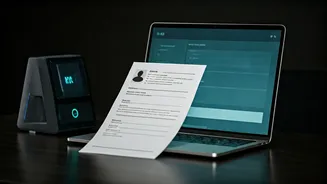
The single biggest change AI brings to recruitment is solving the problem of volume. Traditionally, hiring in India has been a manual, time-intensive process, with recruiters spending weeks poring over thousands of CVs. This process is prone to human
error and fatigue, where a great candidate can easily be missed. AI-powered systems, using Natural Language Processing (NLP), can parse and analyse every resume in seconds. These tools go beyond simple keyword matching; they understand context, skills, qualifications, and experience to rank candidates against the specific requirements of a job. This allows recruitment teams to screen ten times the number of CVs in the same timeframe, applying consistent evaluation criteria to every single applicant. Furthermore, in a multilingual country like India, AI tools are capable of processing and understanding resumes in various regional languages, ensuring a wider and more inclusive talent pool is considered.
The Need for Speed and Quality
Speed is a critical advantage in talent acquisition. The longer a position remains open, the greater the cost to the business. AI significantly shortens the 'time-to-hire' by automating the most time-consuming initial stages. Chatbots can handle initial candidate queries, provide real-time updates, and even schedule interviews, ensuring applicants remain engaged. But speed without quality is meaningless. AI also helps find 'better' talent through predictive analytics. By analysing historical data on which employees have succeeded and stayed in a role, machine learning models can predict which candidates are not only qualified but are also likely to have higher retention rates. This shifts the focus from simply filling a role to making a strategic, long-term hire, with some Indian firms reporting that AI has helped cut time-to-hire by as much as 60% and significantly improved retention.
The Two-Sided AI Revolution
The adoption of AI in India's hiring landscape is happening rapidly on both sides of the table. A 2026 report revealed that 73% of Indian professionals now regularly use AI at work. This trend extends to the job application process itself, where 76% of applicants use AI to refine their resumes and tailor their applications. Simultaneously, 78% of hiring managers are using AI to draft job descriptions and screen candidates. This creates a new dynamic where technology is mediating the initial interaction between employer and potential employee. While this makes the process more efficient, it also presents a new challenge for recruiters: distinguishing genuine talent from a perfectly AI-optimised application. As a result, hiring managers are placing greater emphasis on skills that AI cannot replicate, such as critical thinking, adaptability, and real-world judgment, during the interview stages.
The Challenge of Algorithmic Bias
Despite its powerful capabilities, AI in recruitment is not a perfect solution. The most significant concern is the risk of algorithmic bias. AI systems learn from data, and if the historical hiring data they are trained on reflects past prejudices, the AI can learn and even amplify those biases. A famous example is an AI recruitment tool at Amazon that was scrapped after it was found to penalise resumes that included female-centric language, as it had been trained on a decade of predominantly male resumes. Over-reliance on automation can also cause recruiters to miss out on unconventional candidates with unique career paths who might be filtered out by rigid algorithms. The technology lacks the human ability to spot potential or understand the nuances of a candidate's journey beyond what is written on their CV.