

The Allure of a Rain-Soaked Paradise
For years, Assam's peak tourist season has been the dry winter months. But as travellers seek more authentic and less crowded experiences, the monsoon season (roughly June to September) is gaining popularity. During these months, the state transforms
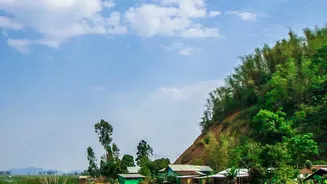
into a vibrant, emerald-green wonderland. The tea gardens are at their most lush, the waterfalls are in full spate, and a mystical layer of mist often blankets the hills. This off-season approach often means fewer tourists at popular spots and more budget-friendly accommodation options, allowing for a quieter, more immersive experience. The air is thick with the scent of wet earth and fresh leaves, offering a sensory journey unlike any other.
Haflong: The Misty Hill Station
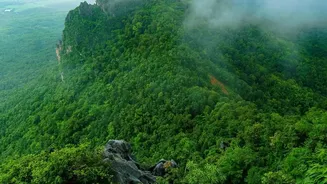
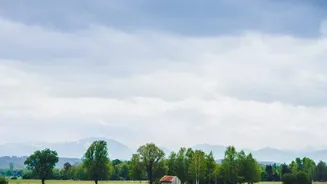
Known as Assam's only hill station, Haflong’s beauty is magnified during the monsoon. Often called the “Switzerland of the East,” its rolling hills and valleys become cloaked in clouds, creating dramatic, ever-changing landscapes. Waterfalls, often hidden in other seasons, suddenly appear, tumbling down rocky slopes. The serene Haflong Lake, surrounded by mist-laden hills, becomes a picture of tranquility. It's the perfect destination for those seeking solitude and a chance to watch the clouds pour through the valleys like white rivers. Nearby, the mysterious village of Jatinga, known for its unique bird phenomenon during the monsoon, adds another layer of intrigue to the region.
Majuli: The Resplendent River Island
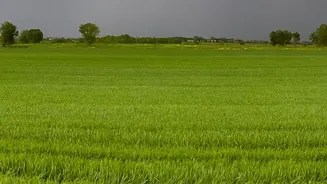
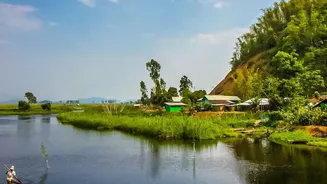
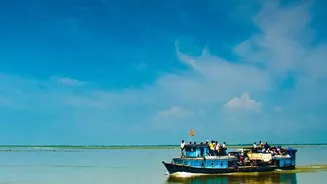
The world's largest river island, Majuli, takes on a unique character during the monsoon. As the Brahmaputra river swells, life on the island adapts, and boat rides become an essential and scenic mode of transport. The rains wash the island clean, leaving behind a verdant paradise. This is an ideal time to explore its Vaishnavite monasteries (Satras), where you can witness ancient traditions and mask-making artistry in a peaceful setting. The island’s unique culture, combined with the serene beauty of its rain-washed rice paddies and wetlands, makes for a deeply calming and culturally rich experience.
Tea Gardens and Historic Towns
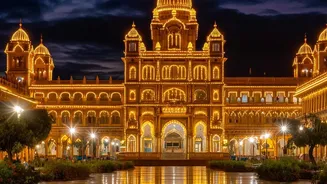
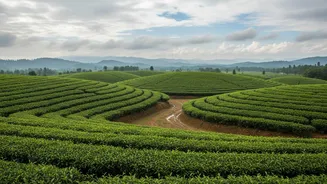
A trip to Assam is incomplete without experiencing its iconic tea estates, and the monsoon is when they truly come alive. The rain-soaked leaves of the tea bushes in regions like Jorhat and Dibrugarh shimmer, and the air fills with a fresh, earthy aroma. Historic towns like Sivasagar, the former capital of the Ahom dynasty, also offer a different perspective. Its ancient temples and monuments, like the Rang Ghar and Talatal Ghar, appear more picturesque when washed by the rains and set against dramatic, overcast skies.
A Word on Wildlife and Safety
It is crucial for travellers to know that major national parks like Kaziranga and Manas are largely closed during the monsoon due to flooding and for wildlife protection. Jeep and elephant safaris are suspended. However, some fringe areas and other sanctuaries like Pobitora, known for its dense rhino population, may remain partially accessible. The monsoon can also bring challenges like floods in low-lying areas and potential landslides in the hills. Therefore, it's essential to stay informed about local weather conditions, plan flexibly, and check road statuses before and during your trip.
Essential Monsoon Travel Tips
Packing is key for a successful monsoon trip. Essentials include a reliable raincoat and umbrella, waterproof footwear with good grip, and quick-dry clothing. An insect repellent is a must, especially in forested areas. It's also wise to carry some cash, as digital payments may not be available in rural areas. Always stick to bottled or filtered water, and protect your electronic gadgets with waterproof bags or covers. Most importantly, embrace a slower pace of travel; the monsoon is a time for contemplation, not rushing.