






What's Changing on the Label?
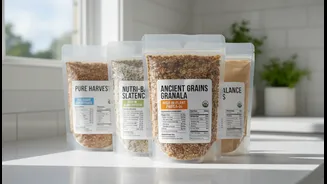
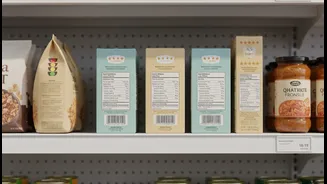
The most significant change is the introduction of mandatory Front-of-Pack Labelling (FoPL). For years, crucial nutritional details were buried in fine print on the back. Now, an easy-to-understand system called the Indian Nutrition Rating (INR) will
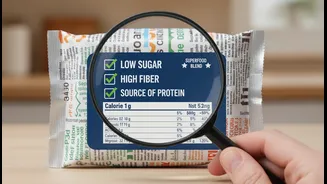
be displayed prominently on the front. This system uses stars, from a half-star (least healthy) to five stars (healthiest), to rate the overall nutritional profile of a product. The goal is to give consumers a quick, at-a-glance summary of a food’s health value, much like energy ratings on appliances. This is part of a broader crackdown on misleading claims, with FSSAI recently issuing notices to companies for using terms like "100% Natural" and "Fresh" without proper justification.
The Health Risks in Focus: HFSS Foods
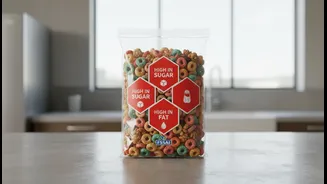
The primary driver behind this regulatory shift is the rising tide of non-communicable diseases (NCDs) in India, such as diabetes, obesity, and heart conditions. A major contributor to this public health challenge is the growing consumption of ultra-processed foods that are High in Fat, Sugar, and Salt (HFSS). These foods are often energy-dense but poor in essential nutrients. Studies show that diets high in sodium alone are responsible for a significant number of deaths in India annually. With NCDs now accounting for an estimated 63% of all deaths in the country, the FSSAI's new labels are designed as a crucial tool to help people make healthier dietary choices and combat this escalating crisis.
How to Decode the New Star Ratings
The Indian Nutrition Rating (INR) is calculated based on a product's composition per 100g or 100ml. The score considers 'negative' nutrients like energy, total sugar, saturated fat, and sodium. It also accounts for 'positive' nutrients, including fruits, vegetables, nuts, legumes, millets, fibre, and protein. A complex formula balances these factors to generate a final score. For consumers, the takeaway is simple: the more stars a product has, the better its nutritional profile. A product with a low score of 0.5 stars is considered among the least healthy options, while a 5-star rating indicates the healthiest choice in that category. This system empowers you to quickly compare two similar products and pick the healthier one.
The Crackdown and Industry Response
This isn't just a suggestion; it's a mandatory shift. The FSSAI has made it clear that non-compliance will lead to strict penalties, including heavy fines, product recalls, and even the suspension of a company's food license. The regulator has been actively sending notices to companies for misleading claims, signalling a period of stricter enforcement. For the food industry, this means a significant overhaul of packaging and potentially even product reformulation. While some in the industry worry about the costs and potential impact on sales, the FSSAI has tried to create predictability by setting an annual date for all new labelling changes to take effect, helping businesses plan their transitions more smoothly.
What Are the Next Steps for Consumers?
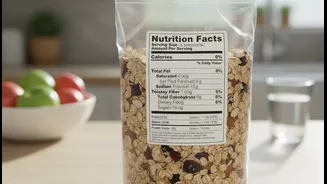
As these new labels roll out, the power shifts to you. The immediate next step is to become familiar with the INR system. When you shop, make it a habit to look for the star ratings on the front of packages. Use this information to compare different brands of the same product, whether it's biscuits, breakfast cereals, or ready-to-eat meals. However, don't stop at the stars. The detailed nutritional panel and ingredient list on the back still provide vital information, especially for those with allergies or specific dietary needs. The front-of-pack label is a guide, but becoming a truly informed consumer means using all the information available to you.