



Recognising the Signs of Boredom
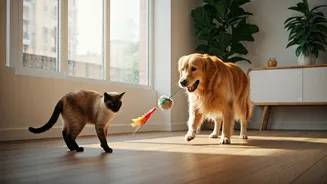
A bored pet is often a mischievous one. When left understimulated, dogs and cats can develop a range of undesirable behaviours. Common signs in dogs include excessive barking or whining, destructive chewing of furniture, and constant pacing or restlessness.
You might also notice them digging at carpets, getting into the trash, or constantly nudging you for attention. Cats, on the other hand, might start over-grooming, scratching furniture excessively, or becoming more withdrawn or irritable. Some bored pets may even fight with other animals in the home or begin soiling in inappropriate places. These actions aren't signs of disobedience; they are often cries for mental engagement.
Why Mental Stimulation Is as Important as a Walk
While physical exercise is crucial, mental exercise is just as vital for your pet’s well-being. Dogs and cats are intelligent animals with natural instincts for hunting, exploring, and problem-solving. When they live in a static indoor environment, those instincts don't just disappear. Without a proper outlet, this pent-up mental energy can lead to stress, frustration, and anxiety. Providing activities that challenge their brain helps satisfy these innate needs, leading to a calmer, happier, and more well-behaved companion. A short session of mental games can often be more tiring and fulfilling for a pet than a long walk.
Easy Enrichment for Dogs
Keeping your dog entertained indoors doesn't require expensive gadgets. One of the easiest methods is food-based enrichment. Instead of feeding them from a bowl, use puzzle toys, snuffle mats, or a simple DIY game like hiding their kibble in a muffin tin with tennis balls on top. Scent games are another powerful tool; hide treats around a room and encourage your dog to 'find it'. You can also build a simple indoor obstacle course with cushions to jump over and chairs to weave through. Even a classic game of tug-of-war with a sturdy rope or teaching a new trick provides excellent mental stimulation and strengthens your bond.
Creative Cures for a Cooped-Up Cat
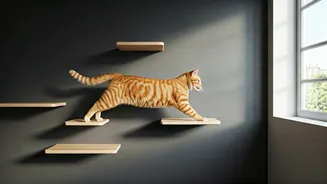
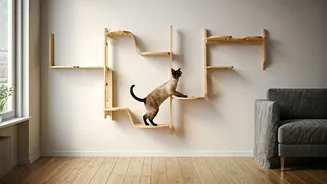
Cats thrive on activities that mimic their natural hunting behaviours. Interactive toys like feather wands and laser pointers are classics for a reason, but always end a laser session by letting them 'catch' a physical toy to avoid frustration. Providing vertical spaces is also key; cat trees, window perches, or even secured shelves give them a place to climb and observe their territory. Simple things like an empty cardboard box or a paper bag can provide hours of entertainment. You can also make simple puzzle feeders out of toilet paper rolls or hide treats around the house to encourage foraging. Rotating toys every few days helps keep things new and exciting.
The Power of a Predictable Routine
Beyond active playtime, a predictable daily routine can significantly reduce a pet's anxiety and boredom. When your pet knows when to expect feeding times, play sessions, and quiet rest periods, it gives them a sense of control and security. Try to schedule short, dedicated play or training sessions throughout the day. Even a five-minute training game where you practice new tricks can provide a powerful mental workout. This structure helps break up long, monotonous hours and ensures your pet gets regular interaction, preventing the build-up of frustration that leads to moodiness.