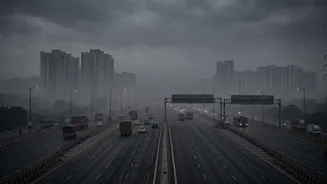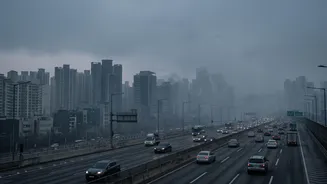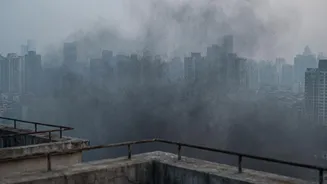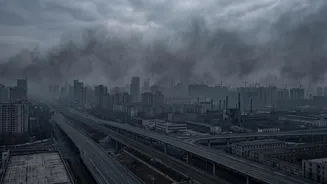







The Season's First Red Flag
On Wednesday, October 21, the city's average Air Quality Index (AQI) crossed the 200 mark, settling at 245, a level officially classified as 'poor'. This was the highest reading in over 100 days and a significant jump from the 'moderate' AQI of 179 recorded
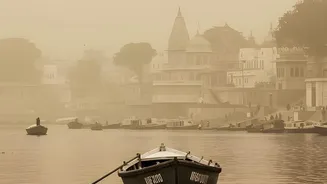
just a day earlier. By Thursday morning, the AQI remained in the 'poor' category at 226, with some monitoring stations in areas like Jahangirpuri and Chandni Chowk even tipping into the 'very poor' category with readings above 300. This dip in air quality signals the start of a period, typically lasting from October to February, when pollution levels in the National Capital Region (NCR) become a major public health concern.
What 'Poor' AQI Actually Means
While Delhiites are unfortunately accustomed to pollution, it's crucial to understand what these categories mean. An AQI between 201 and 300, designated as 'poor', can cause breathing discomfort to the general population upon prolonged exposure. For sensitive groups—including children, the elderly, and individuals with existing heart or lung conditions—the effects can be more immediate and severe. These health impacts range from coughing and throat irritation to more serious respiratory issues. As the AQI climbs into 'very poor' (301-400) and 'severe' (401-500) categories, the health risks intensify for everyone, not just vulnerable individuals.
A Familiar Mix of Culprits
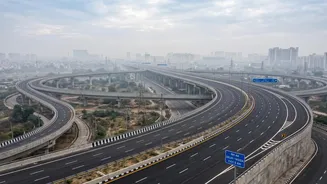
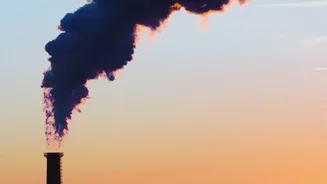
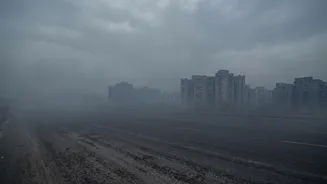
The timing of this deterioration is no coincidence. It's driven by a combination of factors that converge every year as winter approaches. A primary contributor is stubble burning in the neighbouring states of Punjab and Haryana, where farmers burn crop residue to clear fields for the next sowing season. North-westerly winds carry smoke from these farm fires directly towards Delhi. Forecasts suggest the contribution from stubble burning to Delhi's PM2.5 pollution could rise to over 13% this week. This is compounded by meteorological conditions; lower temperatures and calmer winds trap pollutants close to the ground, creating a toxic smog. Added to this are Delhi's own perennial sources of pollution: emissions from a high density of vehicles, industrial activity, and dust from construction.
The Official Response: GRAP Stage 1
In response to the 'poor' air quality, the Commission for Air Quality Management (CAQM) has immediately invoked Stage 1 of the Graded Response Action Plan (GRAP) across the entire NCR. GRAP is a set of pre-planned emergency measures that activate incrementally as air quality worsens. Stage 1 is triggered when the AQI is between 201 and 300. Key measures under this stage include a ban on the use of coal and firewood in tandoors at hotels and restaurants, and restrictions on the use of diesel generator sets except for emergencies. Authorities have also been instructed to intensify dust control measures, such as mechanized sweeping and water sprinkling on roads, and enforce stricter checks on construction sites and polluting vehicles.