






The Sticker Shock in Your Grocery Cart
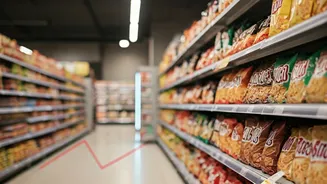
Across India, families are noticing that their grocery bills are climbing, even without adding extra items to their carts. Staples like packaged atta, instant noodles, biscuits, and edible oils have seen noticeable price increases over the past year.
This isn't just a feeling; it's a reality driven by complex economic factors. FMCG (Fast-Moving Consumer Goods) companies have been implementing what they call "calibrated price hikes" to cope with their own rising expenses. For consumers, this translates to either a higher MRP on the label or a subtler change: a reduction in the quantity of product in the same-priced packet, a practice known as grammage reduction. This means you might be paying the same but getting less, forcing a re-evaluation of what goes into the monthly grocery basket.
Why Your Favourite Snacks Cost More
Several factors are converging to push up the prices of packaged foods. A primary driver is the increased cost of raw materials. Global commodity prices for items like wheat, palm oil, and milk have been volatile, impacting everything from bread to biscuits. Another significant factor is the surge in crude oil prices. This has a dual effect: it increases the cost of transportation and logistics to get products from the factory to the store, and it also raises the price of petroleum-based packaging materials, which are used for a vast range of products. These pressures, combined with a weaker rupee that makes imports more expensive, leave companies with little choice but to pass some of the burden onto consumers.
Your First Line of Defence: Smart Planning
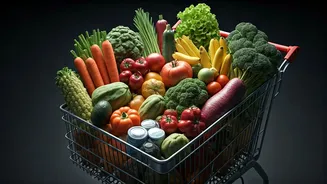
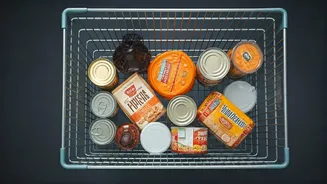
Facing rising costs can feel disempowering, but strategic planning can put you back in control. The single most effective tool is meal planning. By deciding your meals for the week in advance, you can create a precise shopping list. This simple habit helps you buy only what you need, drastically reducing impulse purchases, which are a major cause of budget overruns. Before you leave for the store, take a few minutes to check your pantry, fridge, and freezer. This prevents you from buying duplicates and helps you use up what you already have. Sticking strictly to your list is a discipline, but it’s one of the surest ways to fight back against rising prices and prevent the shock of a high bill at the counter.
Mastering the Art of Savvy Shopping
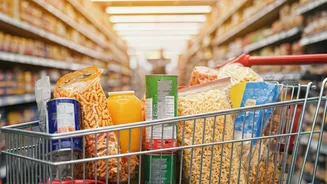
Once in the store, a few smart habits can lead to significant savings. Instead of just looking at the shelf price, compare the unit price (the cost per 100g or per litre) to find the best value. Often, larger packs are cheaper per unit, but not always, so it pays to check. Don’t be afraid to look at the top and bottom shelves; stores often place their most expensive, high-margin products at eye level. Buying seasonal produce from local markets is also a great way to save, as it's fresher and cheaper than off-season or imported options. Finally, consider store brands or lesser-known brands, which often offer similar quality to major names but at a lower price point.
Rethinking Your Reliance on Convenience
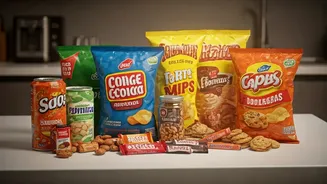
The price hikes are most pronounced in the convenience food sector. One powerful way to cut costs is to shift some of your consumption from ready-to-eat and highly processed items to whole foods. Buying a whole chicken and cutting it yourself can be much cheaper than buying pre-cut pieces, and making your own marinades is more economical than buying pre-marinated meat. Cooking in larger batches—a big pot of dal, sabzi, or pasta sauce—can provide multiple meals, saving both time and money on cooking gas and ingredients. This approach, often called 'cook once, eat twice,' reduces reliance on expensive takeaway or convenience foods for lunches and subsequent dinners. This shift is not just good for your wallet; it’s often a healthier choice as well.