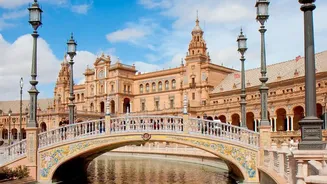




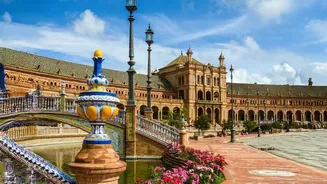
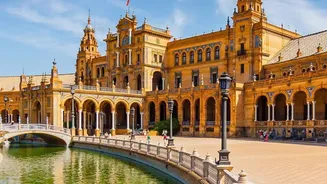
Spain has long been a top global destination, famed for its sunny beaches, rich history, and vibrant cities. But the success of its tourism industry is now under intense scrutiny as residents in popular areas protest its negative impacts.
The Strain of Unprecedented Success
The sheer volume
of visitors is straining the fabric of life in Spain’s most popular locales. In hotspots like the Balearic and Canary Islands, tourism accounts for a massive portion of the local economy, sometimes as much as 33% of GDP. This economic reliance, however, comes at a cost. A post-pandemic travel boom has pushed cities like Málaga and Palma to their limits. The primary grievance for locals is a severe housing crisis. The explosion of short-term holiday rentals has drastically reduced the housing supply for residents, causing property prices and rents to soar. In some central neighbourhoods of Málaga, nearly half of all housing is dedicated to tourist accommodation. This 'touristification' leads to more than just economic pressure; residents lament the loss of local businesses like butchers and bakeries, replaced by souvenir shops and tourist-centric restaurants, which they feel erodes the city's soul.
From Public Anger to Policy Shifts
Across the country, frustration has spilled into the streets. Throughout 2026, major protests have erupted in Barcelona, Málaga, the Canary Islands, and Mallorca under slogans like 'Málaga for living, not surviving'. These demonstrations, largely peaceful, are not anti-tourist but anti-model, targeting a system that prioritizes visitor numbers over resident well-being. Activist networks are coordinating actions, including rallies planned for the off-season to highlight that the problem is year-round. This public pressure is forcing authorities to move beyond discussion and into action. The protests have directly led to a wave of new regulatory measures as local and national governments attempt to find a balance. Recent demonstrations have also targeted infrastructure expansion plans, such as airport upgrades in Barcelona and Palma, with protesters arguing that increasing capacity will only worsen the overtourism crisis.
Barcelona’s Blueprint for Reinvention
As one of the first Spanish cities to grapple with mass tourism, Barcelona is now a key case study in management and mitigation. The city has announced a landmark plan to completely phase out all 10,000 short-term holiday rental licenses by November 2028, a drastic measure to return housing to the local market. The city is also increasing its tourist tax, with visitors to five-star hotels paying around €12 per night as of April 2026. Beyond restrictions, Barcelona is attempting to reshape its image, shifting its tourism promotion strategy from attracting sheer volume to 'quality' visitors. Its new tourism organisation, 'This is Barcelona', uses technology similar to streaming service algorithms to offer personalised recommendations, guiding visitors toward cultural events, concerts, and gastronomy rather than just the most crowded landmarks. The aim is to disperse crowds and attract travellers who engage more deeply and respectfully with the city.
The Search for Sustainable Solutions
Different regions are experimenting with various strategies. In the Balearic Islands, authorities are tackling the housing issue by reducing the total number of permitted tourist beds. The Canary Islands, while a site of major protests, have taken a different approach by launching a voluntary fund. This 'RegNext' program allows tourists and travel companies to donate to sustainability projects, habitat restoration, and local community initiatives as an alternative to a mandatory tax. Lanzarote is focusing on a branding campaign to attract what it calls 'ethical and responsible' tourists who value sustainability. At the national level, the Spanish government has introduced licensing requirements for rental platforms like Airbnb and is set to implement new traffic regulations affecting electric scooters. These varied approaches highlight the complex challenge: reining in the negative effects of tourism without crippling an industry that accounts for roughly 12% of Spain's entire GDP.