





More Than Just a Feeling
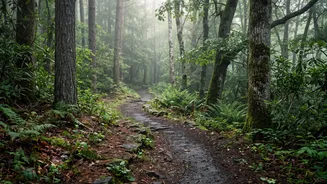
The primary allure of barefoot hiking is the enhanced sensory experience. With over 200,000 nerve endings, the soles of your feet are incredibly sensitive. Walking without shoes allows you to feel the texture of the trail—the soft earth, the cool moss,
the rough stone—creating a deeper connection to your environment. This heightened awareness is a form of mindfulness, forcing you to be present with every step. Proponents say this natural movement can reduce stress and boost mood, turning a simple walk into a more restorative experience. It’s a way to engage with nature on a more intimate level, moving beyond just seeing the landscape to truly feeling it.
The Science of Stronger Feet
Going barefoot isn't just about feeling good; it has measurable biomechanical benefits. The practice is centred on improving proprioception—your body's ability to sense its position in space. The constant feedback from the ground sharpens this 'sixth sense', improving your balance and stability, which can reduce the risk of stumbles and falls on uneven terrain. Furthermore, walking without the artificial support of modern boots forces the small, intrinsic muscles in your feet and lower legs to work harder. Over time, this can lead to stronger arches, better posture, and a more natural gait, potentially reducing the risk of common injuries associated with restrictive footwear.
Navigating the Obvious Risks
Of course, the most immediate risk of barefoot hiking is injury from the terrain itself. Puncture wounds from glass, sharp rocks, or thorns are a significant concern. There are also dangers from hot surfaces, which can cause serious burns, and the simple risk of cuts and bruises. Beyond visible hazards, there's a risk of infection. Bacteria and fungi thrive in soil and moist environments, leading to conditions like athlete's foot or plantar warts. If you do get a cut, it's crucial to clean it thoroughly to prevent a more serious infection, especially since puncture wounds can trap bacteria deep inside the foot.
When Barefoot Is a Bad Idea
Barefoot hiking is not for everyone. Individuals with certain medical conditions should exercise extreme caution or avoid it altogether. Chief among these is diabetes, especially if it involves peripheral neuropathy, or a loss of sensation in the feet. People with this condition might not feel a cut or puncture, leading to a risk of undiscovered injuries becoming severely infected. Similarly, those with poor circulation may experience slower healing, making any small injury more dangerous. Podiatrists also warn that a sudden transition from supportive shoes to no support can cause stress injuries, like shin splints or even stress fractures, if the feet and legs are not properly conditioned.
How to Start Your Barefoot Journey
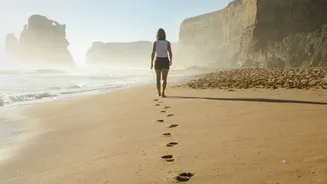
If you're cleared for takeoff, the key is to start slowly. Your feet have likely spent years in cushioned shoes and need time to adapt. Begin by walking barefoot on safe, soft surfaces like a grassy park or a sandy beach for short periods. As your soles begin to toughen and your muscles strengthen, you can gradually increase the duration and try more challenging textures. When on the trail, always scan the path ahead of you and step straight down, rather than shuffling your feet, to avoid unseen hazards. Pay close attention to any discomfort. Pain is a signal to stop, rest, and inspect your feet. For those not ready to go fully bare, minimalist or 'barefoot' shoes can offer a middle ground, providing protection while still promoting a natural foot position and ground feel.