






What is a Dark Sky Community?
Before diving into Udmal’s story, it’s important to understand what a 'Dark Sky Community' actually is. The designation, awarded by the global organisation DarkSky International, is for a town, city, or other legally organised community that has shown
an exceptional commitment to preserving the night sky. This involves adopting quality outdoor lighting policies, promoting energy-efficient fixtures that direct light downwards, and educating residents about the importance of curbing light pollution. This is different from a Dark Sky Reserve, like the one in Hanle, Ladakh. A reserve typically has a vast, dark, and often uninhabited core area that is protected by light-management policies in the surrounding populated periphery. A community, on the other hand, is about the people living within the settlement actively working to protect their own starry skies.
Why This Village in Nashik?
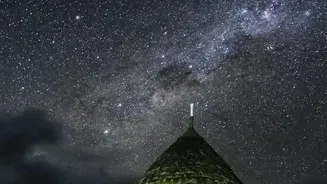
Udmal, a small Kokna tribal village in Nashik's Surgana taluka, is uniquely positioned for this initiative. Located on a hilltop, the village is naturally shielded from the bright lights of major urban centres, with no significant light sources for several kilometres around. This geographic isolation has gifted it with exceptionally dark skies, where on a clear night, the Milky Way can be seen in all its glory with the naked eye. Recognizing this rare asset, the Udmal Gram Sabha passed a resolution to formally protect their night sky. This community-led decision was the critical first step, showing a collective desire to build a future around preservation and sustainable tourism rather than unchecked development.
The Path to Seeing Stars
Becoming a certified Dark Sky Community is a deliberate process. For Udmal, the initiative is backed by a sanctioned fund of ₹42.14 lakh from the district administration to support the transition. The plan involves several key actions. First, existing public lighting will be audited and retrofitted with 'dark sky-friendly' fixtures. These lights are shielded to prevent light from spilling upwards or sideways, ensuring illumination is focused only where needed. Second, there will be widespread community education campaigns to encourage residents and local businesses to adopt similar responsible lighting practices. The goal isn’t to eliminate light but to use it wisely, reducing glare and waste. This cooperative effort between villagers and local authorities is what truly defines the spirit of a Dark Sky Community.
More Than Just a Pretty Sky
The benefits of this initiative extend far beyond just good stargazing. For Udmal, it represents a powerful economic and social opportunity. The village is set to become a prime destination for astrotourism, a growing global market. This can create new, sustainable livelihoods for the local tribal community, from serving as night sky guides to running homestays and managing eco-friendly tourism. Furthermore, reducing light pollution has significant environmental advantages. It helps protect nocturnal wildlife, whose natural cycles of hunting, migration, and reproduction are often disrupted by artificial light. It also leads to direct energy savings and preserves a cultural heritage—our shared connection to the cosmos—that is rapidly being lost.
A Beacon for the Nation
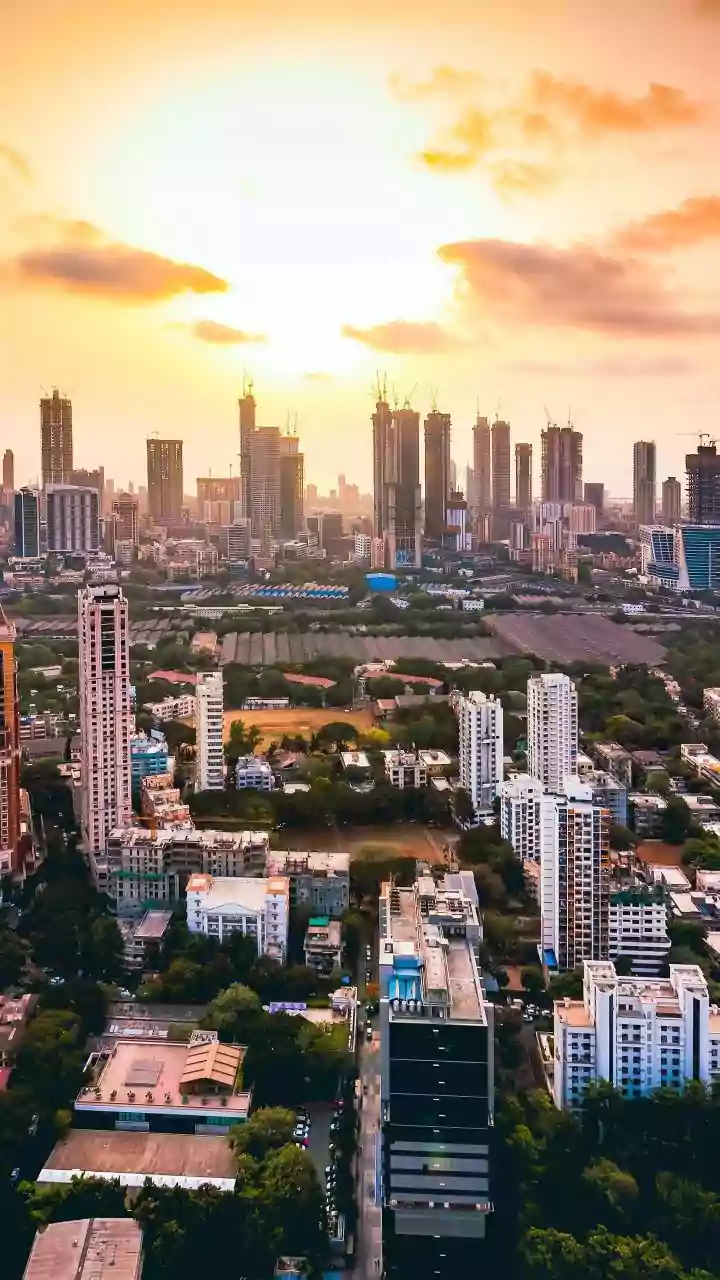
Udmal’s journey is part of a larger push by the state of Maharashtra, which has identified several locations for astro-tourism development. However, Udmal stands out as the first community-driven model in India, where the residents themselves are the primary custodians of the night. In a country where rapid urbanisation is increasingly erasing the stars from view, this initiative offers a hopeful and replicable template. It demonstrates that development and conservation are not mutually exclusive. By treating its darkness as a precious resource, Udmal is not just preserving the night sky for future generations; it is lighting a path for other communities to follow.