



Coolcationing: Chasing Chilly Climates
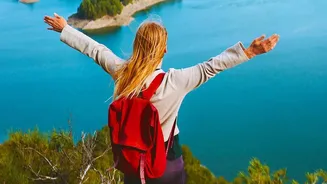
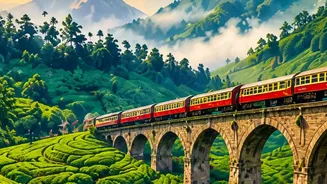
Once, the perfect holiday meant chasing the sun. Now, a growing number of travellers are doing the opposite. 'Coolcationing' is the trend of deliberately choosing destinations with milder, cooler climates to escape increasingly intense summer heat. Instead
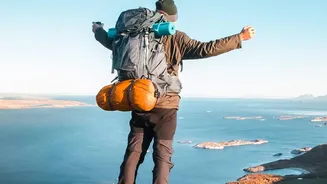
of a sweltering city break, think fjord cruises in Norway, hiking in the Scottish Highlands, or exploring the breezy coastlines of the Baltic states. This trend isn't just about comfort; it's also about avoiding the crowds that flock to traditional warm-weather hotspots. It opens up a world of new destinations and activities, from wildlife spotting in alpine landscapes to simply enjoying a city without wilting in extreme temperatures.
Astrotourism: Holidaying with the Stars
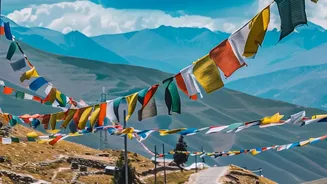
One of the most inspiring new travel trends involves looking up. Astrotourism, or dark-sky travel, is the practice of journeying to remote locations with minimal light pollution to experience the night sky in its full glory. In India, this trend has gained significant momentum since the establishment of the Hanle Dark Sky Reserve in Ladakh in 2022. Located high in the Himalayas, the area offers exceptionally clear and dark skies, allowing visitors to see the Milky Way, star clusters, and meteor showers with stunning clarity. Other emerging astrotourism spots in India include Spiti Valley, the Rann of Kutch, and even parts of Coorg. It’s a travel experience that combines science, nature, and a profound sense of wonder.
Gramping: Grandparents and Grandkids Only
Move over, multi-generational travel; 'gramping' is the new family adventure. This trend, also called 'skip-gen' travel, involves grandparents taking their grandchildren on holiday, leaving the parents at home. The goal is to foster a unique bond between the two generations without the pressures and routines of daily family life. For grandparents, it's a chance to create lasting memories and share their favourite places, while for parents, it's a welcome break. These trips don't have to be extravagant; they can be as simple as a local adventure or a visit to a place the grandparents loved as a child, making the experience deeply personal and meaningful.
Set-Jetting: Traveling Through the Screen
Have you ever watched a show and dreamed of visiting its stunning locations? You're not alone. 'Set-jetting' is the trend of planning trips inspired by popular movies and TV series. Thanks to global streaming platforms, viewers are discovering new destinations through their favourite stories, and tourism boards are taking notice. From the historic streets of Dubrovnik seen in 'Game of Thrones' to the luxurious Sicilian resorts from 'The White Lotus', fans are eager to step into the worlds they see on screen. This trend transforms travel into a form of storytelling, where visitors can connect with a place on a more emotional and familiar level.
Slow Travel and Micro-Adventures
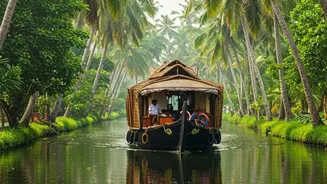
In a reaction against frantic, checklist-driven tourism, many are embracing a slower, more deliberate pace. Slow travel prioritises depth over breadth, encouraging longer stays in a single location to connect meaningfully with the local culture, food, and people. It’s about being present rather than just passing through. A related concept is the 'micro-adventure'—short, low-cost, and local trips that provide a refreshing escape without the need for extensive planning or travel. Coined by adventurer Alastair Humphreys, this idea shows that adventure doesn't require a boarding pass; it can be found by exploring a nearby park, sleeping under the stars in your backyard, or simply seeing your hometown with fresh eyes.
Culinary Caravans: Following the Food
For a growing number of travellers, food is not just a part of the trip—it's the entire point. But the new wave of culinary tourism goes beyond just booking a famous restaurant. This trend is about active participation and deep immersion. Think hands-on cooking classes in a local's home, following an ingredient like olive oil or cheese from farm to table, or joining a street food tour to understand a city's culture through its flavours. These experiences are often smaller in scale, allowing for more personal interaction. It’s a shift from being a passive consumer to an active participant, where the story behind the meal becomes the most valuable souvenir.