




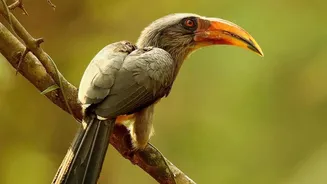

The Ghats: A Priceless Natural Heritage
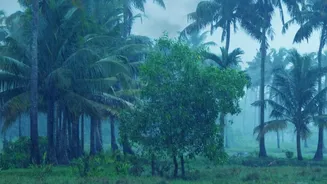
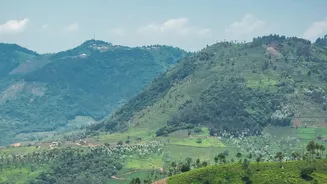
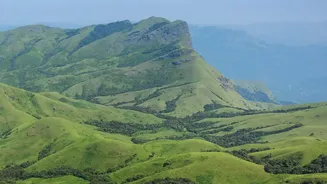
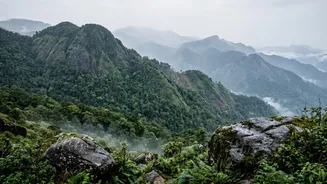
The Western Ghats, a UNESCO World Heritage Site, are more than just a mountain range; they are a vibrant cradle of life. This 1,600-kilometre-long chain of mountains acts as India's 'climatic shield', influencing the monsoon patterns that are vital for
the subcontinent. In Kerala, these mountains harbour an astonishing diversity of flora and fauna, including a high percentage of species found nowhere else on Earth. From the endangered Lion-tailed Macaque and the majestic Indian Gaur to hundreds of species of frogs, birds, and plants, the Ghats are a living library of evolution. The health of these mountain ecosystems is directly tied to the well-being of the entire state, governing its water security and ecological balance.
Habitat Loss and Fragmentation
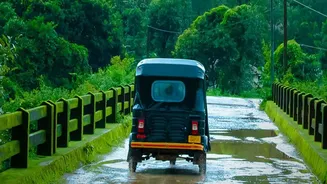
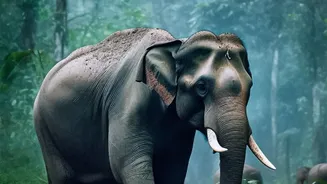
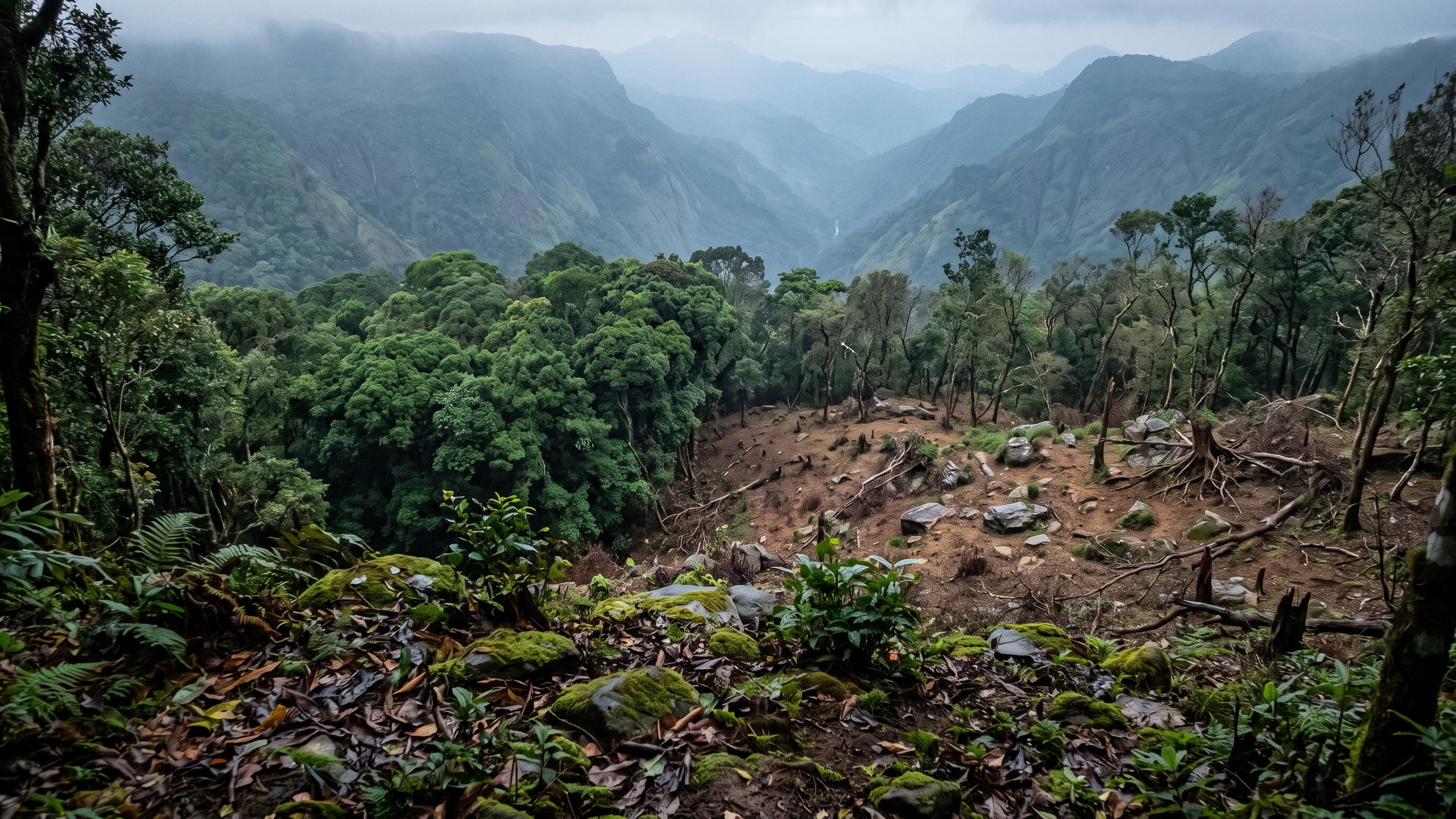
One of the most severe threats identified is the relentless fragmentation of natural habitats. Large, contiguous forests are being broken into smaller, isolated patches by human activities. Unchecked construction of roads, resorts, and other infrastructure slices through vital wildlife corridors, which are traditional pathways for animals like elephants. This fragmentation isolates animal populations, limiting their movement, disrupting genetic exchange, and ultimately threatening their long-term survival. Furthermore, the expansion of plantations for cash crops such as tea, coffee, and rubber has historically displaced vast areas of natural forest, shrinking the space available for wildlife.
The Escalating Human-Wildlife Conflict
As habitats shrink and fragment, wildlife is increasingly forced into human-dominated landscapes in search of food and water, leading to a sharp rise in human-wildlife conflict. In regions like Wayanad, elephants, tigers, and wild boars frequently enter agricultural lands and settlements, resulting in crop damage, livestock loss, and tragic human casualties. This conflict is not just a safety issue but a complex social and economic problem for farming communities on the forest fringes. Studies point out that the quality of forest habitats has been degraded, partly by commercial forestry and invasive plants, reducing the availability of natural fodder and pushing animals outwards.
The Shadow of a Changing Climate
Climate change is no longer a distant threat but a present-day reality in the Western Ghats. The region is experiencing more erratic and extreme rainfall events, which can trigger devastating landslides even in forested zones. Rising temperatures and shifting monsoon patterns disrupt the delicate ecological balance. These changes affect the flowering and fruiting seasons of plants, creating a mismatch for pollinators and seed dispersers, with ripple effects throughout the food web. This climatic instability adds a significant layer of stress to ecosystems that are already under pressure from other human-induced factors, pushing vulnerable species closer to the brink.
Invasive Species: The Silent Invasion
Another critical risk is the spread of invasive alien species. Plants like Senna spectabilis and Lantana camara are spreading rapidly through forest areas, outcompeting native flora. These invasive plants can alter the chemical composition of the soil, making it unsuitable for native vegetation to grow. This effectively destroys the natural forage for herbivores such as elephants, gaur, and deer, reducing the forest's capacity to support its wildlife. This 'silent invasion' degrades habitat quality from within and is recognised as a major driver of biodiversity loss, second only to direct habitat destruction. The illegal pet trade also threatens many native species, such as the 'Miss Kerala' fish, which is now on the verge of extinction.