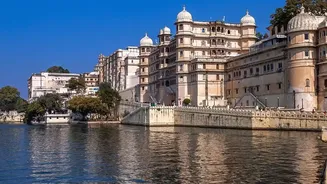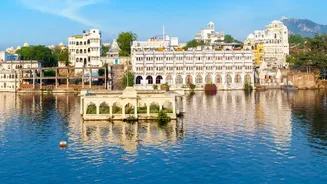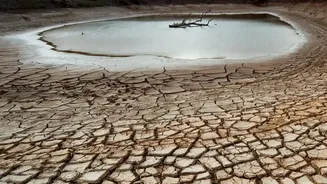


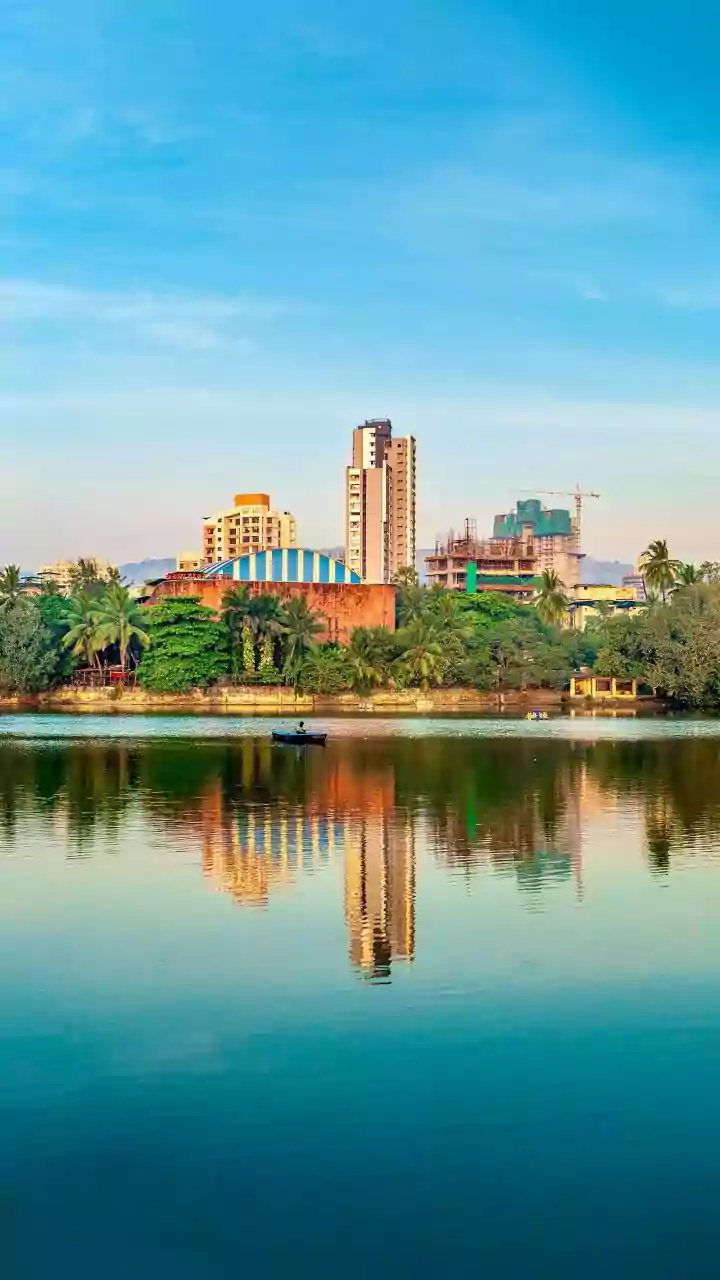




Many Indian cities are facing a paradox: surrounded by lakes, yet grappling with severe water shortages. This isn't a contradiction; it’s a direct consequence of neglecting these vital urban ecosystems that do more than just hold water.
More Than Just Standing Water
Urban lakes are
not merely picturesque water bodies; they are hardworking, multifunctional ecosystems. Historically, cities were built around these water sources for good reason. Lakes perform critical environmental functions, from being a direct source of water to recharging underground aquifers, controlling floods, and even regulating a city's microclimate. They are natural infrastructure, acting as the kidneys of an urban landscape by filtering pollutants and sustaining biodiversity. However, decades of rapid, often unplanned urbanisation have treated lakes as obstacles or dumping grounds, leading to their degradation and disappearance, with severe consequences for water security.
The Groundwater Recharge Connection
A city’s most crucial water reserve often lies unseen beneath the ground. Groundwater is the primary source of drinking water for millions of urban residents in India, especially in areas not covered by municipal supply lines. Healthy lakes play a fundamental role in replenishing these aquifers. The soil and permeable rock around and beneath a lake allow surface water from rainfall to percolate deep into the ground, a process known as focused groundwater recharge. When lakes are encroached upon, paved over, or filled with non-porous silt and waste, this natural recharging mechanism is blocked. Cities like Bengaluru, which lost hundreds of lakes to development, have seen their groundwater tables plummet, forcing reliance on water tankers and expensive, energy-intensive projects to bring water from distant rivers.
Nature's Sponges Against Urban Floods
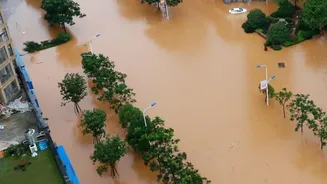
The same urban development that causes water scarcity also exacerbates another major problem: flooding. As concrete and asphalt replace green spaces, rainwater has nowhere to go. Instead of being absorbed into the ground, it rushes over impervious surfaces, overwhelming stormwater drains and causing flash floods. Healthy lakes act as natural sponges or buffer zones. During heavy monsoon rains, they absorb vast quantities of excess runoff, slowing its release and reducing the risk of inundation in low-lying areas. The devastating floods in Chennai in 2015 and Hyderabad in 2020 were significantly worsened by the loss of the very lakes and wetlands that once protected them. Protecting lakes is, therefore, a crucial and cost-effective flood mitigation strategy.
The Vicious Cycle of Neglect
The degradation of urban lakes is driven by a toxic combination of encroachment, pollution, and official apathy. Real estate development illegally swallows up lakebeds, while untreated sewage and industrial effluents are routinely discharged into the water. Solid waste is often dumped along their banks, further contaminating the water and silting the lakebed, which reduces its storage capacity. This creates a vicious cycle. A polluted, shrinking lake is seen as a nuisance—a breeding ground for mosquitoes and a source of foul smells—making it an easier target for further encroachment and justifying its conversion for 'productive' use. In cities like Ahmedabad and Delhi, dozens of lakes have vanished entirely in recent decades, erasing vital water infrastructure that is nearly impossible to replace.
A Blueprint for Revival
The good news is that the damage is not irreversible. Across India, community-led and government-supported initiatives have shown that urban lakes can be brought back to life. Successful restoration projects in Bengaluru, such as Jakkur Lake, and in Delhi, like the Rajakori lake project, have demonstrated a powerful model. These efforts typically involve desilting the lakebed to increase its capacity, stopping the inflow of sewage by setting up natural treatment systems like constructed wetlands, clearing encroachments, and reviving the surrounding ecosystem with native plants. Crucially, these projects succeed when local communities become active stewards, participating in clean-up drives and monitoring, fostering a sense of ownership that ensures longterm sustainability.