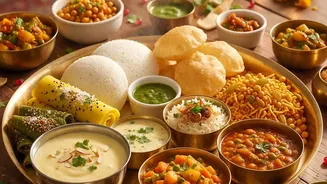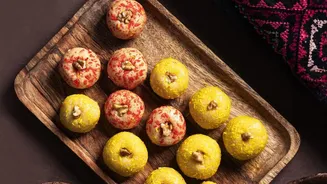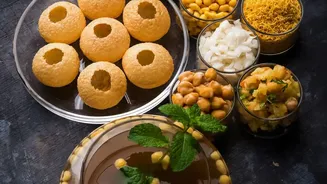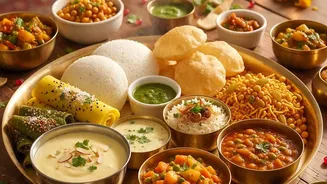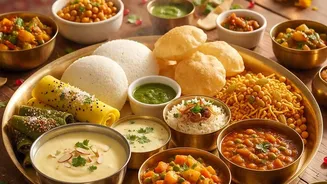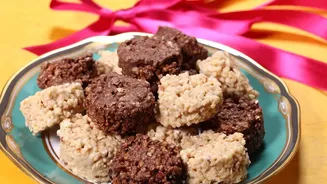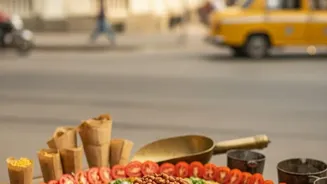

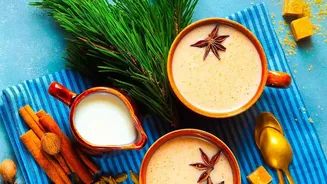
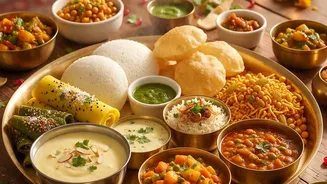
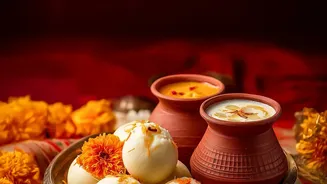
The scene is familiar: a table laden with festive food, surrounded by family. But look closer. Next to grandmother's famous biryani sits an artisanal quiche, and beside the homemade laddoos is a box of gourmet macarons. This is the new hybrid spread.
The New Festive Blueprint
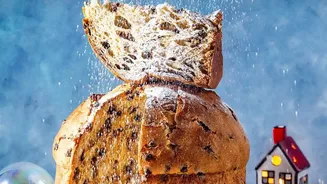
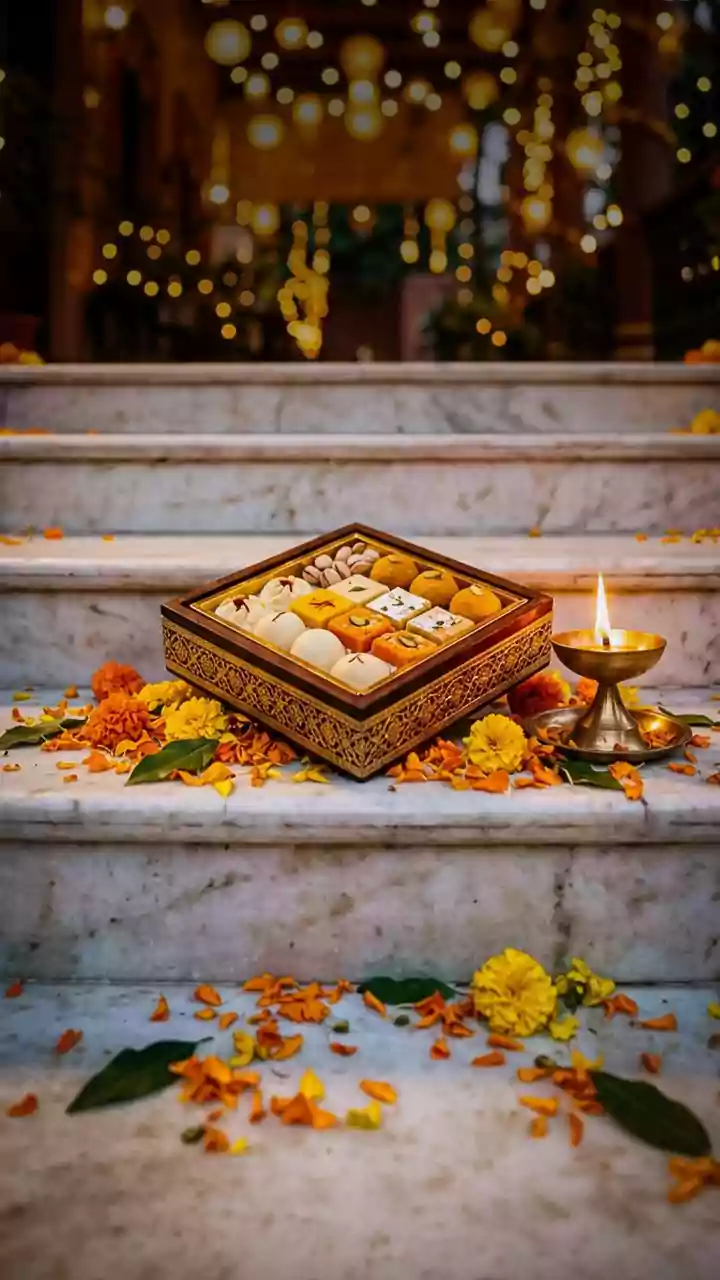
Across urban India, the way families celebrate is undergoing a quiet but delicious transformation. The traditional, all-homemade festive meal is gradually making way for a 'hybrid' model. This approach sees hosts lovingly prepare a few signature, heirloom dishes—the ones that hold memories and define the family's culinary heritage. The rest of the spread is then thoughtfully outsourced. This could mean pairing a special home-cooked curry with freshly baked bread from a favourite local bakery, or supplementing a platter of traditional Diwali 'faral' with modern fusion sweets. The result is not a compromise but a curated experience, a table that reflects both personal history and contemporary taste.
More Than Just Convenience
It is easy to dismiss this trend as a simple concession to busy, modern lives. While convenience is certainly a factor, the shift is more strategic than that. With dual-income households and the desire to spend more quality time with loved ones rather than being confined to the kitchen, outsourcing part of the meal is a smart allocation of time and energy. Hosts are choosing to focus their efforts on one or two complex dishes that they excel at, ensuring the heart of the tradition remains intact. By entrusting the accompaniments to skilled professionals, they are buying back precious time to actually participate in the festivities, entertain guests, and create memories outside the kitchen.
The Art of Curation
This trend is not about grabbing random items off a shelf. It is an act of curation. Families are developing relationships with local bakeries, home chefs, and sweet shops whose quality they trust. They know who makes the best croissants, the most authentic-tasting karanji, or the most innovative chocolate barfi. This careful selection elevates the entire meal, introducing new flavours and textures that complement the homemade fare. Research shows that Indian consumers are increasingly open to experimenting with fusion offerings, appreciating modern twists on traditional sweets and traditional flavours in non-traditional formats. The hybrid spread becomes a conversation starter, a delightful mix of 'my best' and 'their best'.
A Boon for Local Food Entrepreneurs
This evolving consumer behaviour has been a significant driver for a flourishing ecosystem of food entrepreneurs. Home bakers, cloud kitchens, and specialty sweet shops see massive spikes in business during festival seasons. The demand for high_quality, customised, and hygienic festive foods has allowed many to turn their culinary passion into a viable business. Platforms like social media have made it easier than ever for these small businesses to showcase their craft, connect with customers, and manage orders for everything from savoury snacks to elaborate desserts. The cloud kitchen model, in particular, with its lower overheads, has enabled many trained bakers and chefs to enter the market, offering professional_grade products directly to consumers.
Redefining 'Homemade' and Tradition
Ultimately, the rise of the hybrid spread asks a pertinent question : what does 'homemade' mean in 2026? Perhaps it is no longer about every single item being made from scratch. Instead, the love and effort are now channelled into the thoughtful process of planning, curating, and assembling a meal that brings joy. Tradition is not being abandoned ; it is being adapted. The core of the celebration—the food that carries the flavour of family history—is still very much at the centre of the table. By supplementing it with the best offerings from the community , families are creating a new , more sustainable , and arguably more enjoyable tradition for the modern age , ensuring the spirit of the festival remains abundant and celebratory.