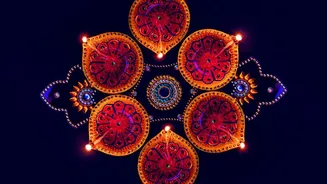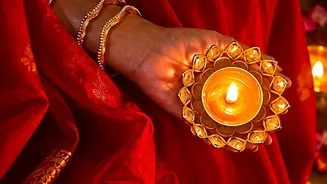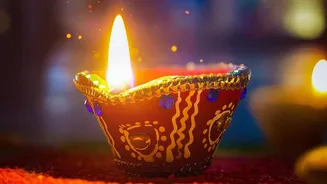



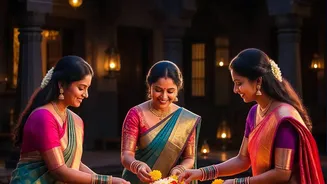
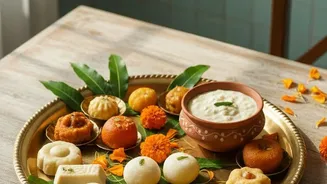
Diwali, the festival of lights, illuminates India in a shared glow of joy and devotion. But while the spirit of victory over darkness is universal, the sacred home altars where families seek blessings reveal a fascinating story of regional diversity.
The Unifying Flame: Common Threads
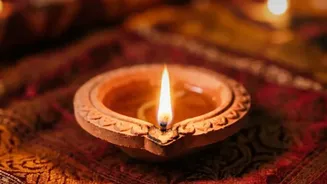
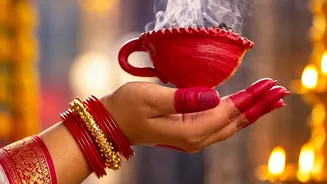
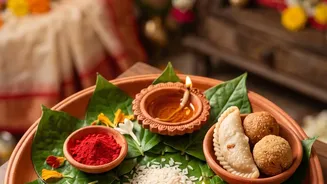
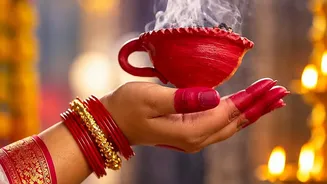
Before exploring the differences, it's important to recognise the beautiful similarities that bind Diwali celebrations together. Across the country, the festival is a time for cleaning and decorating the home, wearing new clothes, and sharing sweets. The puja (worship) space, whether a grand permanent mandir or a small, clean corner, is the heart of the celebration. Here, certain elements are almost always present: rows of 'diyas' (earthen lamps), vibrant 'rangoli' patterns on the floor to welcome deities, and the veneration of gods and goddesses who symbolise prosperity and wisdom. The primary deities worshipped are Goddess Lakshmi, the bestower of wealth, and Lord Ganesha, the remover of obstacles, who is always worshipped first. These common practices create a foundation of shared faith upon which regional customs add their unique, colourful layers.
Grandeur in the North: Rama's Homecoming
In North India, including states like Uttar Pradesh, Punjab, and Haryana, Diwali predominantly celebrates the return of Lord Rama to Ayodhya after 14 years in exile. The puja altars reflect this grandeur. Homes are meticulously cleaned and extravagantly decorated with lights, flowers, and elaborate rangoli. The central puja involves worshipping idols of Lakshmi and Ganesha, often alongside the buying of gold or silver on Dhanteras. A unique tradition in some northern homes involves placing a silver coin in a tumbler of milk, which is then sprinkled throughout the house to invite prosperity. The overall atmosphere is one of opulent celebration, marking the triumphant return of light and righteousness.
Eastern Ode to Power: The Worship of Kali
Travel east to West Bengal, Odisha, and Assam, and the focus of the Diwali night puja shifts dramatically. Here, the festival coincides with Kali Puja, a powerful tribute to the fierce goddess Kali, who represents the destruction of evil. Instead of or alongside Lakshmi, home altars and community 'pandals' feature intricately crafted idols of Goddess Kali. The offerings are distinct, with red hibiscus flowers being a particular favourite for the goddess. While diyas still light up the homes, another ritual called 'Bhoot Chaturdashi' takes place the evening before, where fourteen lamps are lit to honour and guide the spirits of ancestors. This focus on divine feminine power and ancestral reverence gives eastern Indian Diwali altars a unique and profound spiritual energy.
Western Prosperity: The Blessing of Business
In the western states of Gujarat and Maharashtra, Diwali celebrations are deeply intertwined with business and financial prosperity. For the large mercantile community in Gujarat, Diwali marks the beginning of a new financial year. This is observed through a special ritual called 'Chopda Pujan', where new account books (chopda) are sanctified before the idols of Lakshmi and Ganesha. The first pages are marked with auspicious symbols like the Swastik and phrases like 'Shubh-Labh' (auspicious profit). In Maharashtra, the festival begins with 'Vasu Baras', a day for honouring cows as symbols of livelihood and prosperity. While Lakshmi Puja remains central, the altar in these regions often includes these symbols of commerce and trade, seeking divine blessings for a profitable year ahead.
In South India, the festival is more commonly known as Deepavali and is often celebrated a day earlier than in the north. The primary legend here commemorates Lord Krishna's victory over the demon Narakasura. A key ritual is an early morning oil bath on Naraka Chaturdasi, the main day of celebration, which symbolises purification. While altars are still beautifully decorated, the style can be more geometric and understated compared to the North. In Tamil Nadu, families create elaborate 'kolam' designs with rice flour at their entrances. In some parts of Karnataka, forts are built from cow dung in honour of King Bali. While diyas are lit, the grand festival of lights in Tamil Nadu is actually 'Karthigai Deepam', a separate festival, making the Deepavali setups distinct. The southern altar, therefore, is rich in folklore and specific regional traditions.