




The dream of a serene weekend in a remote Indian hill station—misty mountains, quiet trails, and a break from the world—often clashes with the reality of complex planning. This guide offers a clear path to a truly hassle-free mountain escape.
Embrace a New Idea of 'Weekend'
For American
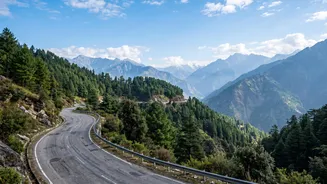
travelers, a 'weekend getaway' to India isn't about flying from the U.S. for two days. Instead, think of it as a short, rejuvenating trip-within-a-trip. After spending time in a bustling hub like Delhi, Mumbai, or Bengaluru, you can escape to the mountains for a few days to recharge. Most hill stations are best reached by road from a nearby city in the plains, so plan for a drive that can take anywhere from three to eight hours. Building this short escape into a longer two or three-week India itinerary is the key to making it a relaxing and rewarding experience. Don't try to cram too much in; the goal is to slow down.
Choose Your Escape Wisely
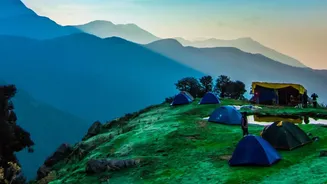
India's hill stations vary dramatically by region. The Himalayan North offers towns like Manali and Shimla, which are popular and can be crowded, but also quieter gems like Tirthan Valley or Munsiyari for a more remote feel. In the South, the Western Ghats are home to the rolling tea plantations of Munnar and the coffee estates of Coorg. For a truly off-the-beaten-path experience, consider places like Pelling in Sikkim for stunning views of Kanchenjunga or Tawang in Arunachal Pradesh, known for its ancient monasteries. Your choice depends on your larger travel route and whether you prefer dramatic, snow-capped peaks or lush, green hills.
Mastering the Logistics: Car vs. Train
While India's railway network is an experience in itself, hiring a private car with a driver is often the most hassle-free option for reaching a hill station. It provides door-to door service, flexibility to stop for photos or food, and eliminates the stress of navigating crowded stations with luggage. A private car costs more upfront but often saves time and anxiety, which is invaluable for a short trip. For a four-to-five day hill station trip, a car allows you to explore the surrounding area at your own pace. If you're on a tighter budget or covering a very long distance to the base city, an airconditioned train journey can be a comfortable and scenic alternative.
Timing Is Everything
The best time to visit depends entirely on the region. For most Himalayan hill stations in the north, the ideal windows are from March to June (premonsoon summer) and September to November (postmonsoon, with clear skies). Visiting during the monsoon (JulyAugust) can be risky due to potential landslides. In the South, hill stations like Munnar or Ooty are pleasant for most of the year, but the postmonsoon period from September to March is particularly beautiful and green. Avoid peak Indian holiday times like May, June, and the last week of December to dodge the biggest crowds and highest prices.
Pack Smart for Mountain Weather
Even during summer, hill stations get chilly, especially at night. The golden rule is to pack layers. Your essentials should include a moisturewicking base layer, a fleece or light wool sweater for insulation, and a waterproof and windproof outer jacket. Temperatures can change rapidly. Sturdy, comfortable walking shoes are nonnegotiable. Other musthaves include highSPF sunscreen, lip balm, sunglasses, a portable power bank, and any necessary medications. The air is often dry, and you may not find wellstocked shops in more remote locations.
Embrace the Art of Slow Travel
The single most important tip for a 'hasslefree' trip is to adopt a flexible mindset. Don't overschedule your days. Journeys will almost always take longer than a map suggests. Build buffer time into your itinerary. The charm of a hill station isn't in checking off a list of sights, but in enjoying a leisurely walk, sipping tea with a view, or reading a book on your balcony. Being prepared to slow down and go with the flow is the true secret to avoiding stress and enjoying the peaceful atmosphere you came for.