



Space Is a Hostile Place for a Gut
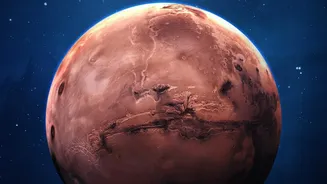
A trip to Mars exposes astronauts to a trio of environmental stressors unlike anything on Earth: microgravity, cosmic radiation, and long-term confinement with a limited diet. Each of these factors can profoundly disrupt the delicate balance of the trillions
of microbes living in the human gut, an ecosystem known as the microbiome. Research has shown that spaceflight alters the composition and function of this vital community. Studies on astronauts aboard the International Space Station (ISS) and in ground-based simulations like the Mars500 experiment, where a crew was isolated for 520 days, have revealed significant changes. These include a decrease in microbial diversity, a reduction in beneficial bacteria, and an increase in bacteria associated with inflammation.
Why a Disrupted Microbiome Is a Mission Risk
An unhappy gut is more than just a matter of digestive discomfort, though constipation is a common complaint among astronauts. Scientists now understand that the gut microbiome influences nearly every system in the body, including immunity, bone density, mental health, and nutrient absorption. A disruption, or 'dysbiosis', can have cascading effects. It's linked to a weakened immune system, which is a major concern in a confined environment far from Earth-based medical care. Furthermore, some research suggests that the space environment can increase the virulence of certain bacteria and their resistance to antibiotics, raising the stakes for potential infections during a mission. For a mission to Mars, where astronauts must be at peak physical and cognitive performance, maintaining a healthy microbiome is considered essential for success.
The Science of a Space Gut
To understand these changes, NASA and other space agencies are conducting extensive research. The 'Astronaut Microbiome' project and the 'Microbial Tracking' series on the ISS involve collecting samples from astronauts before, during, and after spaceflight. By analyzing fecal, saliva, and skin swabs, scientists can map how the microbial population shifts over time. A recent study revealed that microgravity slows the movement of food through the intestines. This causes gut bacteria to run out of their usual fuel (carbohydrates) and switch to fermenting protein, which releases compounds linked to inflammation and digestive issues. Other studies, like the famed NASA Twins Study, compared an astronaut in space to his identical twin on Earth, showing that while many microbiome changes occur in space, they tend to revert to normal after returning to Earth. However, for a one-way or long-duration Mars trip, such a return to normal isn't an option.
Engineering a Resilient Gut for Mars
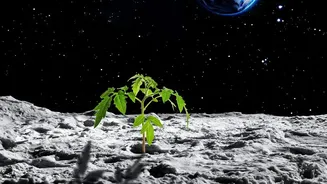
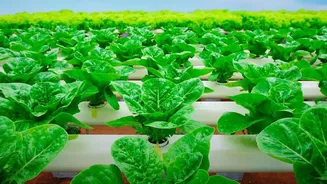
The ultimate goal of this research is to develop countermeasures to protect astronaut health. Scientists are exploring several promising avenues. One key area is diet. This includes developing space-grown crops that are bioengineered to have higher nutrient content and antioxidant compounds. Personalized nutrition plans could be designed based on an astronaut's unique physiology to support their microbiome. Another major focus is the use of probiotics and prebiotics—beneficial bacteria and the foods that fuel them. Researchers are investigating which probiotic strains, like Lactobacillus and Bifidobacterium, are most effective and how to ensure their viability during a long space mission. The challenge lies in creating a strategy that is robust enough to withstand the combined pressures of microgravity and radiation for the nearly three-year round trip to the red planet.