








Embrace Proactive Planning
The allure of a spontaneous monsoon trip is strong, but relying solely on a 'go-with-the-flow' attitude can lead to disappointment. Unpredictable weather is a hallmark of the season, and it can cause significant travel disruptions. From landslides in hilly
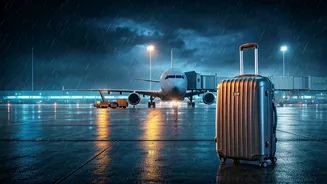
regions like Himachal and Uttarakhand to waterlogged roads in coastal areas, the potential for delays is high. Flights can be rerouted due to poor visibility, and trains can face significant delays on flooded tracks. This isn't about being pessimistic; it's about being a savvy traveller. A well-prepared plan isn't rigid—it's resilient. The goal is to create an itinerary that can bend without breaking, ensuring that a sudden downpour enhances your adventure rather than ending it.
The Art of the Backup Day
One of the most effective strategies for monsoon travel is building buffer time into your schedule. If you have a seven-day trip planned, consider allocating one or two of those days as flexible 'backup days'. This doesn't mean sitting around doing nothing; it means not over-scheduling your core activities. For instance, instead of trying to visit three sights in one day, focus on one main attraction. This slower pace allows you to fully enjoy an experience without feeling rushed. If rain washes out your plans for an outdoor trek, a backup day gives you the freedom to try again tomorrow without sacrificing another part of your trip. These extra days can also be used for spontaneous local exploration, like visiting a nearby market, trying a cooking class, or simply relaxing at a cozy cafe and watching the rain. It transforms potential stress into an opportunity for rest or discovery. For critical travel like catching a flight, arriving at your departure city a day or two early can prevent a missed connection caused by weather-related road or rail delays.
Plotting Alternative Routes and Activities
A good backup plan extends beyond just time; it includes having alternative routes and activities. Before you leave, identify a Plan B for your travel and sightseeing. If you're on a road trip, research secondary roads in case your primary route is blocked. Use navigation apps that provide real-time updates on road conditions and closures. But route planning isn't just about avoiding floods; it's also about having alternative experiences ready. If your beach day in Goa or Kerala gets rained out, what's the indoor alternative? Research local museums, art galleries, spice plantations, or covered markets beforehand. Having a list of appealing indoor activities for each location means a rainy day won't feel like a wasted day. It becomes a chance to explore a different side of the destination, one you might have otherwise missed.
Leverage Technology and Local Knowledge
In the age of smartphones, you have a powerful toolkit at your disposal. Download reliable weather apps to monitor forecasts not just for your destination, but for the entire route. This is especially critical for road trips through the mountains where conditions can change rapidly. Beyond weather apps, stay connected with your airline for real-time flight status alerts. It's also wise to check with your hotel or local contacts about conditions on the ground. Locals often have the best insights into which roads are prone to flooding and what areas are best to avoid after heavy rain. This combination of modern tech and human intelligence gives you the most comprehensive view of the situation, allowing you to make informed decisions quickly.
Pack for Flexibility
Your backup plan should be reflected in your packing list. Alongside your raincoat and waterproof footwear, pack for the unexpected. This means quick-drying clothes and extra pairs of socks to avoid discomfort. A waterproof cover for your backpack is essential to protect your belongings. Also, consider entertainment for potential delays. A book, a downloaded podcast series, or a deck of cards can make waiting out a storm in a hotel or at an airport far more pleasant. Pack a power bank to keep your devices charged, as power cuts can sometimes accompany heavy storms. Thinking about these contingencies while packing ensures you're comfortable and prepared, no matter what the weather throws at you.