



The Two Engines of Change
For years, the story of India's consumption was centred on its metro cities. That narrative is changing, driven by two powerful and interconnected forces: the digital payments revolution and the build-out of a modern logistics backbone. The Unified Payments
Interface (UPI) has made financial transactions seamless, cheap, and accessible to millions outside the major urban centres. Simultaneously, e-commerce and logistics firms have been aggressively expanding their networks, solving the complex 'last-mile' delivery puzzle that once kept smaller cities out of the e-commerce boom. This combination has unlocked a vast, previously underserved market, turning aspirational demand into real, measurable economic activity. Reports now consistently show that Tier-2 and Tier-3 cities are outpacing metros in consumption growth, a trend that is reshaping India’s entire retail landscape.
From Cash to Clicks: The UPI Effect
The foundation of this economic shift is the widespread adoption of digital payments. UPI, in particular, has been a game-changer. For consumers in smaller cities, it was often their first truly simple and reliable digital payment method, leapfrogging older, more complex systems. This has had a direct impact on spending habits. Studies show that the frictionless nature of UPI encourages more frequent, smaller purchases and even impulsive buying, reducing dependence on cash. In 2023, UPI transactions in rural and semi-urban India surged by 118% in volume. This digital fluency extends beyond simple payments. Recent data shows that consumers in Tier-2 cities are now leading the adoption of digital credit products like 'Buy Now, Pay Later' (BNPL), with 60% of respondents using such services compared to 45% in metros. This demonstrates a growing confidence and sophistication in using digital tools to manage finances and make purchases.
The Last Mile: Logistics Gets Local
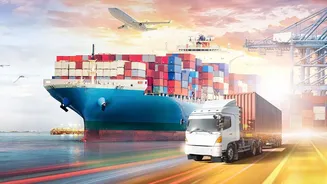
Digital payments opened the door, but logistics networks are providing the path for goods to travel. Recognizing that up to 60% of e-commerce demand now comes from outside the metros, companies are making massive investments to move their infrastructure closer to the customer. This involves building large fulfilment centres and smaller 'dark stores' in cities like Coimbatore, Jaipur, and Guwahati. This strategy is driven by both demand and economics; setting up facilities in these locations can be 25-40% cheaper than in major metros. This distributed model drastically cuts down delivery times and costs, making next-day or even same-day delivery a reality for millions of new shoppers. It also creates a virtuous cycle of local economic growth, fuelling real estate, creating jobs, and stimulating ancillary businesses in these newly critical logistics hubs.
A Twoway Economic Highway
This infrastructure isn't just enabling consumption; it's empowering production. For the first time, small and medium sized businesses (MSMEs) in towns and semi urban areas can access a national customer base without crippling overheads. Government backed initiatives like the Open Network for Digital Commerce (ONDC) are accelerating this shift. ONDC is an open protocol, not a platform, which allows a weaver in Varanasi or a small snack maker in Nagpur to list their products once and be discoverable across multiple buyer apps, levelling the playing field with large e commerce giants. With over 60% of ONDC sellers now coming from non metro regions and logistics partners integrated into the network, it’s creating a truly democratic digital marketplace. This enables local artisans and entrepreneurs to retain control over their brand and pricing while reaching customers they never could before.