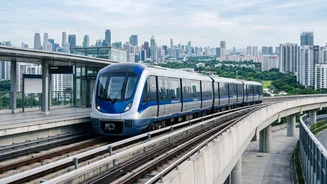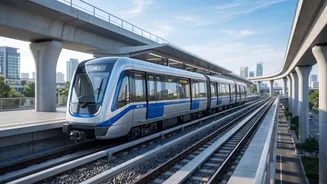




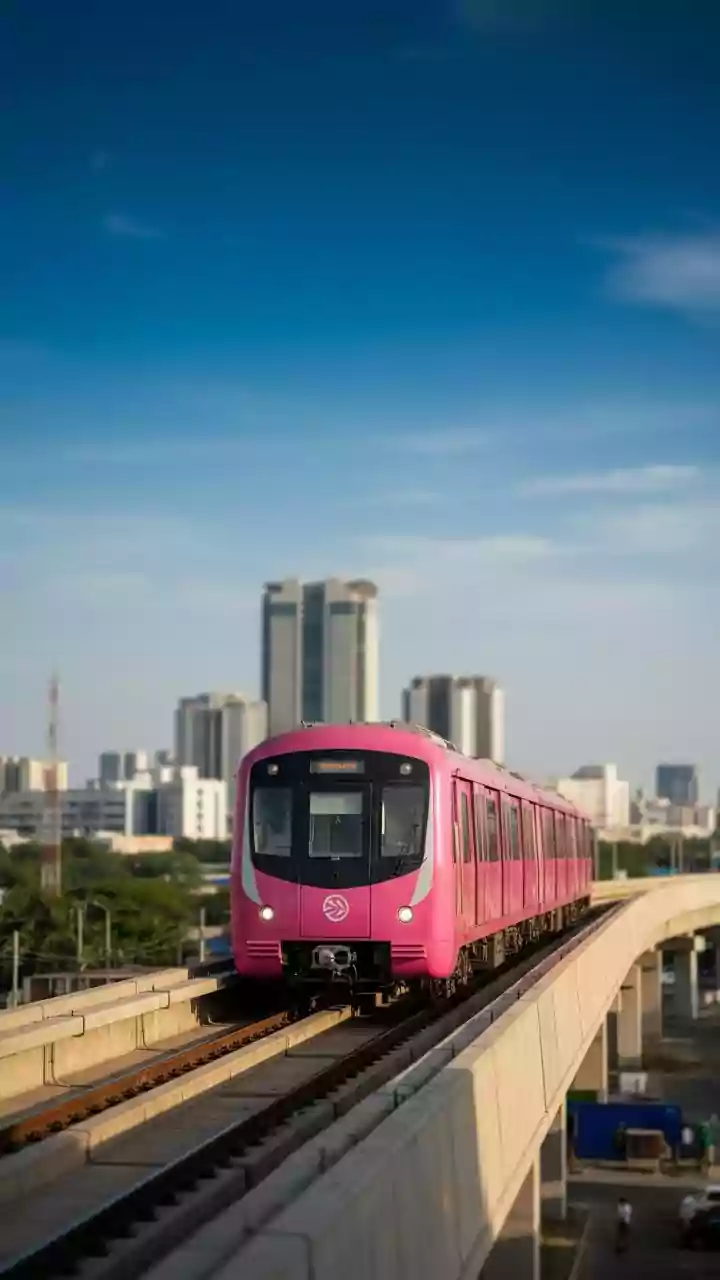
Breaking Down the Record
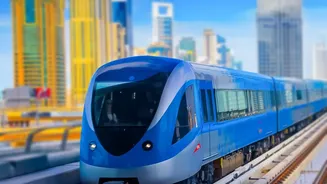
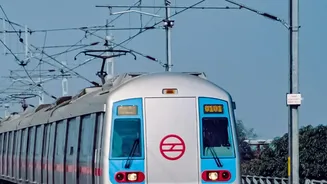
On November 2, 2026, amid the pre-Diwali travel surge, the Delhi Metro's fully automated lines—the Pink and Magenta Lines—recorded a combined 1.6 million passenger boardings. On the same day, the entire network handled just over 8 million commuters, meaning
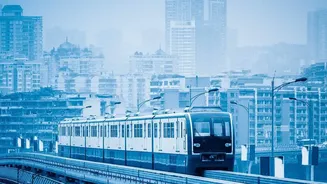
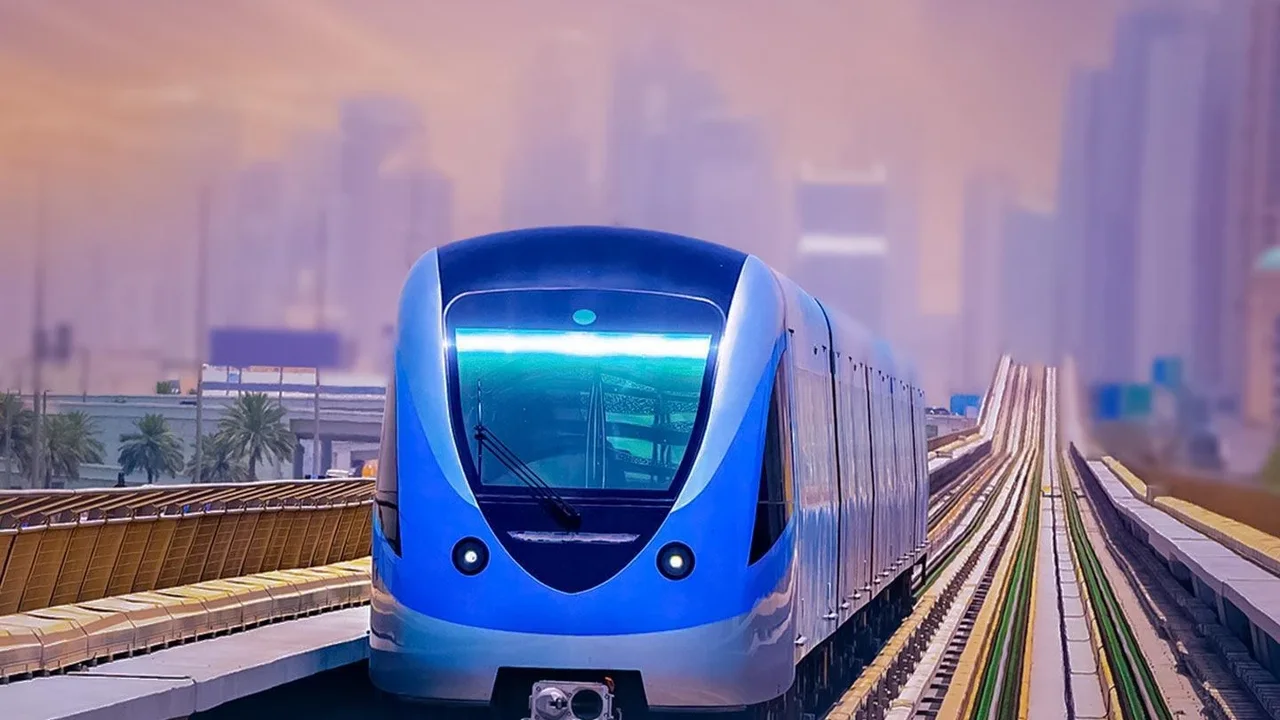
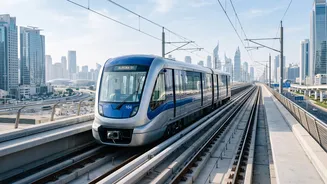
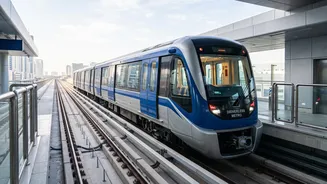
the two driverless corridors catered to approximately 20% of the total traffic. This achievement is particularly noteworthy given that these lines represent just over a quarter of the metro's total length, showcasing their efficiency and high utilization by the city's residents. The DMRC operates 100 Unattended Train Operation (UTO) trains across these two lines, which together span about 120 kilometres of the nearly 375-kilometre network.
The Technology Driving Success
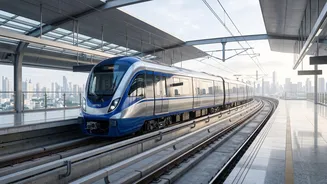
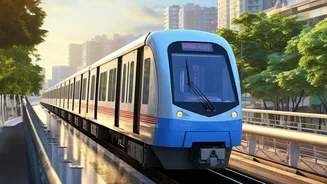
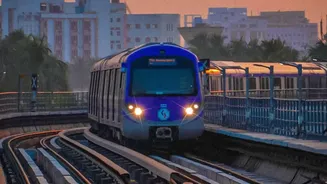
The term 'driverless' refers to Unattended Train Operation (UTO), the highest grade of automation in which trains are controlled entirely by advanced signalling systems. This technology, known as Communication-Based Train Control (CBTC), allows for greater precision in operations. It enables trains to run at a higher frequency, with headways as short as 90 seconds, significantly reducing passenger wait times. Furthermore, the DMRC states that automation reduces the chances of human error and improves the overall reliability of services. Each train conducts exhaustive self-tests before beginning its daily service, further enhancing safety and dependability. The introduction of UTO began in December 2020 on the Magenta Line and was later extended to the Pink Line.
Strategic Corridors of Connectivity
The high ridership on the Pink and Magenta lines is no accident. These corridors are strategically vital, forming a ring of connectivity that intersects with nearly every other line on the network. The 59-km Pink Line, the longest in the system, encircles almost the entirety of inner Delhi, while the Magenta Line provides crucial east-west connectivity between Noida and Gurugram via Terminal 1 of the Indira Gandhi International Airport. This intricate web of interchanges allows commuters to seamlessly transfer between lines, making journeys across the National Capital Region faster and more convenient. Their role as feeder lines for the historically dominant Blue and Yellow Lines has proven indispensable for balancing passenger load across the network.
Improving the Commuter Experience
For the daily commuter, the benefits of driverless technology are tangible. Higher frequency means less crowded platforms and shorter journeys, especially during peak hours. The absence of a driver's cabin also frees up space, allowing each six-coach train to accommodate more passengers. Platform Screen Doors (PSDs), a standard feature on these lines, enhance safety by preventing accidental falls onto the tracks. While some passengers were initially apprehensive about the lack of a driver, the smooth, efficient, and reliable service over the past few years has built public trust. Addressing concerns about job losses, DMRC has stated that train operators from these lines have been redeployed to other essential roles like station management and crowd control.
A Blueprint for India's Urban Future
Delhi's success serves as a powerful proof of concept for other Indian cities. With metro networks operational or under construction in over 25 cities, the question of adopting automation is now more relevant than ever. DMRC's Managing Director, Vikas Kumar, has advocated for other metro projects to consider the driverless model, citing flexibility and efficiency. While the higher initial capital cost is a consideration, the long-term operational benefits—including energy efficiency and lower staffing costs—present a compelling case. As India continues its rapid urbanisation, the lessons from Delhi's driverless lines could pave the way for a new generation of smarter, more efficient public transportation systems across the country.