

The Rise and Fall of Sad Beige
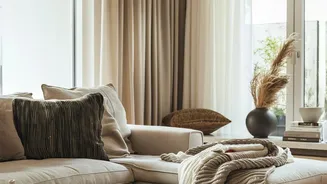
The all-beige interior, often dubbed 'sad beige' or linked to the 'quiet luxury' craze, dominated social media feeds and design magazines for years. It offered a vision of serene, uncluttered living—a safe and reliable choice in a chaotic world. The palette
of sand, oatmeal, and cream created a clean, polished aesthetic that was easy to replicate. However, this visual silence began to feel empty for many. What started as calming turned into a cliché; a uniform look that sacrificed personality for perfection. Designers and homeowners are now pushing back against this 'beigification,' seeking spaces that feel lived-in and authentic, not just staged for a photo.
The Soul of a Space: Texture and Touch
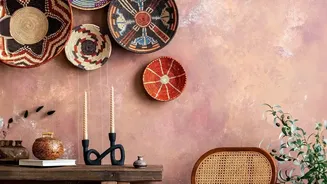
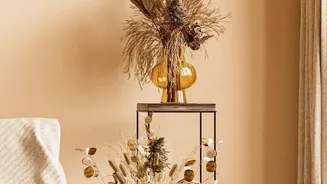
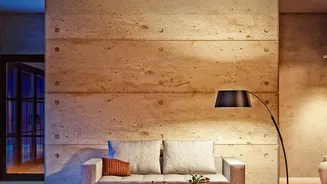
The antidote to the flat, monotonous feel of an all-beige room is texture. This is where natural materials truly shine. Think of the visible grain in a solid wood table, the cool, smooth surface of a stone countertop, the soft drape of linen curtains, and the earthy weave of a jute rug. These elements engage our senses beyond the visual, making a space feel layered and dynamic. While the colour palette might remain neutral, the interplay of different textures adds depth and character. It’s a shift from interiors that are merely looked at to interiors that are felt, transforming a house into a home that is neurologically nourishing.
A Connection to Nature and Wellness
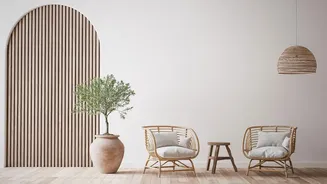
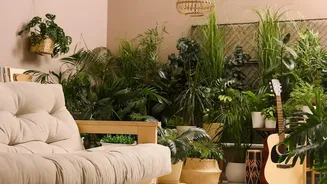
The move toward natural materials is deeply connected to the rise of biophilic design—the practice of connecting our indoor spaces with the natural world to improve well-being. This concept is not new, especially in India, where traditional architecture has long incorporated elements like courtyards and natural ventilation. Bringing materials like wood, stone, rattan, and clay indoors fosters a sense of calm and grounding. Studies show that environments rich with natural elements can reduce stress, improve focus, and enhance our mood. In our increasingly urban, screen-focused lives, creating a home that serves as a sanctuary and reconnects us to nature has become more important than ever.
Timeless, Sustainable, and Built to Last
Another powerful argument for natural materials is their longevity and sustainability. Unlike trend-driven synthetic options that can quickly look dated, materials like stone and solid wood age gracefully, often developing a unique patina that adds to their character over time. There's a growing desire for 'honest' materials that are authentic and built to last. This focus on durability is also an eco-conscious choice. Sourcing sustainable wood, reclaimed materials, or locally quarried stone reduces environmental impact. It represents a move away from disposable design and toward creating a home filled with meaningful pieces that will endure for years to come.
Bringing Natural Warmth Home
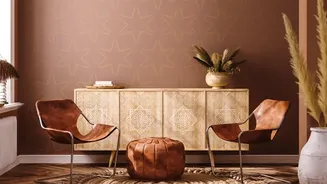
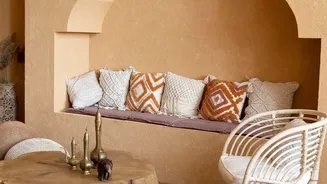
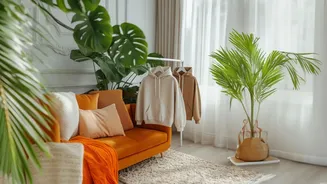
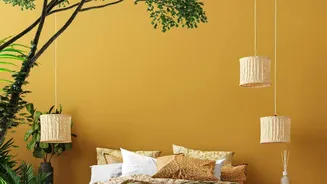
Incorporating this trend doesn't require a complete overhaul. You can start small. Swap synthetic textiles for cushions and throws made of cotton, wool, or linen. Introduce a wooden coffee table, a ceramic vase, or a stone accent piece. Instead of matching everything perfectly, try mixing different wood tones to create a more collected and personal look. Even the colour palette can evolve; the stark beiges are giving way to warmer, earthier tones like terracotta, moss green, and soft clays that complement natural materials beautifully. The goal is to build a scheme that feels connected to the outdoors, promoting a sense of calm and well-being.