



More Than Just a Workout
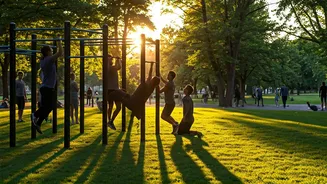
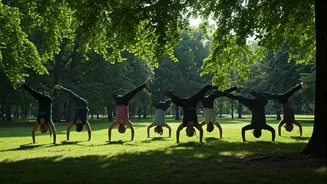
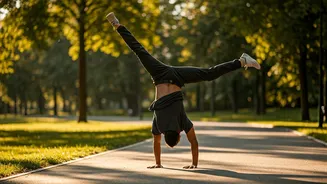
This is not just another fitness fad imported from a Western celebrity’s Instagram feed. The growing presence of young adults practicing handstands in public spaces from Mumbai’s Carter Road promenade to Bengaluru’s Cubbon Park is a sign of a deeper cultural
shift. It’s the most visible expression of the booming interest in calisthenics—a form of strength training that uses your own bodyweight as resistance. Unlike traditional weightlifting, which often focuses on isolating muscles, mastering a handstand is a holistic achievement. It demands a symphony of strength, balance, mobility, and intense mental focus. It’s less about 'reps and sets' and more about a mindful dialogue between your body and gravity. For its practitioners, holding a handstand is a moment of total presence, a physical meditation where the noise of the world fades away, leaving only the challenge of staying balanced.
The Rise of Calisthenics Culture
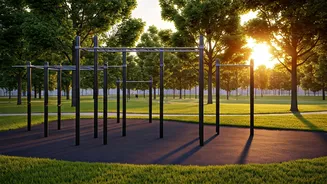
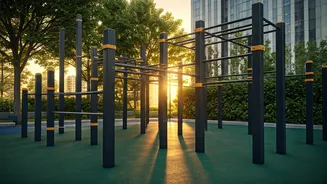
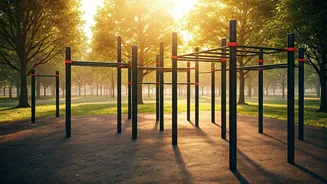
The handstand is the poster child for calisthenics, a discipline that has found fertile ground among Indian youth. Its appeal is multi-fold. Firstly, it’s incredibly accessible. In a country where expensive gym memberships are a barrier for many, calisthenics requires little to no equipment. The park becomes your gym; a bar becomes your pull-up station; the ground becomes your platform. Secondly, it’s visually compelling. In the age of social media, the aesthetics of strength are powerful. A perfectly held handstand or a dynamic muscle-up is shareable content that signifies dedication and skill, earning respect both online and offline. This has helped once-niche communities find each other, share tutorials, and organize 'jams' or meetups, transforming a solo pursuit into a collective movement. These groups provide the motivation and technical guidance that is crucial for progressing in such a demanding discipline.
Finding Balance After the Pandemic
The timing of this trend is no coincidence. The COVID-19 pandemic and subsequent lockdowns fundamentally changed our relationship with public spaces and personal well-being. Confined to their homes, many people discovered bodyweight workouts as a practical way to stay fit. As restrictions eased, there was a collective yearning to reconnect with the outdoors and with other people. Parks, once just thoroughfares or places for gentle walks, were reborn as essential venues for health and community. The act of practicing a handstand outdoors is symbolic. It represents freedom, a reclamation of physical autonomy, and a mastery of one's own body in a world that felt, for a long time, completely out of control. It’s a way of finding stability in an unstable world, one breath at a time.
A Community Built on Trust
Perhaps the most important aspect of this trend is the community that underpins it. Learning to handstand is a journey filled with failures. You will fall, lose balance, and get frustrated. Doing it alone can be demoralizing. But in the parks, a supportive ecosystem has formed. Strangers become spotters, offering a hand to catch a fall or a word of encouragement. Experienced practitioners freely give tips to beginners on form and progression. This collaborative spirit is a welcome antidote to the often individualistic and competitive nature of traditional gym culture. The shared struggle forges strong bonds, turning a group of individuals into a team celebrating every small victory—from holding a 'frog stand' for a few seconds to finally pushing up into a freestanding handstand. This sense of belonging is as much a draw as the physical benefits.
Your First Steps to Going Upside Down
Inspired to try? The journey to a handstand is a marathon, not a sprint, and prioritising safety is key. Don't just kick up and hope for the best. The foundation begins with building prerequisite strength and stability. Focus on mastering basics like holding a plank for at least 60 seconds, performing clean push-ups, and strengthening your wrists with gentle stretches and rotations. Your first 'inversions' should be done against a wall. A 'wall walk'—where you place your feet on a wall and walk your hands closer—is a great way to get comfortable being upside down while building shoulder strength. Listen to your body, be patient with your progress, and consider seeking guidance from experienced practitioners in local calisthenics groups. The goal isn't just to get upside down, but to build the strength and control to do it safely and sustainably.