





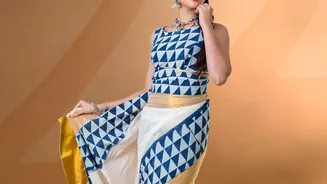
A Story in Every Window
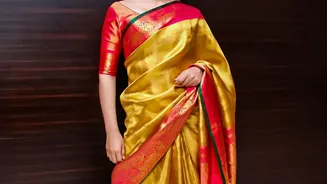
Turning an old saree into a curtain is more than just a decor choice; it's an act of preserving memory and celebrating heritage. Each saree, whether a treasured family heirloom or a lucky thrift find, carries a unique story in its threads, colours, and weaves.
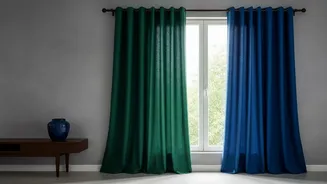
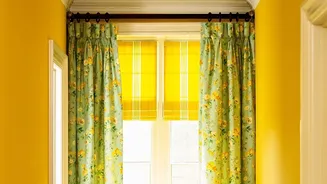
When hung as drapes, they transform windows into glowing focal points, catching the light and infusing a room with warmth and personality. Lightweight fabrics like chiffon and georgette create a soft, flowing effect, while richer textiles like silk or Banarasi add a touch of regal elegance. This approach gives your home a handcrafted feel that mass-produced curtains simply cannot match.
The Sustainable and Budget-Friendly Choice
In an era of growing environmental awareness, upcycling is a powerful way to live more sustainably. The fashion and textile industry is a major contributor to waste, and repurposing sarees helps keep these beautiful fabrics out of landfills. It's a practical application of circular fashion that has a direct impact. Beyond the eco-friendly benefits, this practice is incredibly budget-friendly. Instead of spending on new, expensive fabrics, you can use what you already have. This creative reuse saves money while allowing you to achieve a high-end, custom look that is both beautiful and responsible.
Choosing the Perfect Saree
Not all sarees are created equal when it comes to making drapes. For a breezy, light-filtering effect, opt for lightweight cotton, chiffon, or georgette sarees. These fabrics hang beautifully and add a soft glow to a room. If you prefer more privacy or a more luxurious look, silk sarees are an excellent choice, though they may require a cotton lining to protect the fabric from sun damage and add weight. When selecting a saree, inspect it for any significant damage, but don't be deterred by small flaws, which can often be hidden or cut around. The most important factor is choosing a colour and pattern that complements your existing decor.
A Simple DIY Project
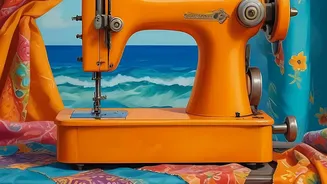
You don't need to be an expert tailor to turn a saree into a curtain. The simplest method requires no sewing at all. You can use curtain clip rings to attach the saree directly to a curtain rod, allowing the full length of the fabric to drape naturally. Another easy, no-sew option involves folding the top edge of the saree over the rod and securing it with safety pins on the back. For those comfortable with a sewing machine, creating a rod pocket is a straightforward task. Simply fold over the top edge by a few inches to create a channel for the rod and stitch it down. Remember to measure your window and the saree carefully before making any cuts.
Styling Your Saree Drapes
Saree curtains are versatile and can fit into various decor styles. For a bohemian or eclectic look, don't be afraid to mix and match patterns by stitching different sarees together vertically. In a more minimalist or modern home, a single-coloured saree with a beautiful border can act as a stunning statement piece. You can use the intricate pallu (the decorative end piece) as a feature, either at the top or bottom of the drape. To complete the look, consider using leftover fabric to create matching cushion covers or table runners, tying the entire room together with a cohesive, personalised theme.