







Navi Mumbai: A New Gateway Opens
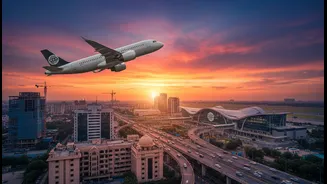
After years of anticipation, the Navi Mumbai International Airport (NMIA) is officially entering the global arena. Domestic operations began in December 2025, and the big news is the launch of international passenger and cargo services starting July 15,
2026. Air India Express is set to be the first carrier, kicking things off with a service to Abu Dhabi. This is a significant milestone, designed to ease the immense pressure on Mumbai's existing Chhatrapati Shivaji Maharaj International Airport (CSMIA). Initially, the focus will be on short-haul destinations, particularly in the Gulf region, with both Air India Express and IndiGo expected to operate routes. The airport, a joint venture between Adani Airport Holdings and CIDCO, received its crucial aerodrome license from the DGCA in late 2025, paving the way for operations. The phased rollout begins with a capacity for 20 million passengers annually, but the vision is grand, aiming to decongest the Mumbai Metropolitan Region (MMR) and create a world-class hub.
Indore: International Flights Relaunched
Meanwhile, Central India's busiest airport, Devi Ahilyabai Holkar Airport in Indore, is also celebrating a key development. After a suspension of several months, international flights are set to resume on July 15, 2026. Air India Express will launch a direct flight to Abu Dhabi, operating four times a week. This new route replaces the previous service to Sharjah. While this means travellers heading to Dubai now have a 140-km road journey from Abu Dhabi, aviation experts see a strategic advantage. Abu Dhabi's Zayed International Airport is a major global transit hub with connections to over 80 cities in Europe and North America, potentially allowing passengers from Madhya Pradesh to bypass crowded domestic layovers in Delhi or Mumbai. Prior to this, Indore's international connectivity was limited to Sharjah and seasonal charters to Dubai. This relaunch marks a crucial step in fulfilling the region's growing aspirations for better global access.
What This Means for Travellers and Students
For the millions of people in the Mumbai Metropolitan Region, the opening of NMIA promises significant relief from the congestion at CSMIA. Travellers from Navi Mumbai, Thane, and Pune will find their journey to the airport shorter and more convenient. For students, who constitute a large and growing number of international travellers from India, this could mean easier access and potentially more competitive fares on high-demand routes to the US, UK, and Canada. In Indore, the direct connection to a major hub like Abu Dhabi is a game-changer. Students and families from across Madhya Pradesh can now access a vast network of connecting flights with a single, streamlined transit, reducing travel time and complexity. The Travel Agents Association of India notes that Abu Dhabi's less congested layout is a significant logistical advantage over other regional hubs.
A Major Boost for Regional Businesses
The commercial implications are perhaps even more profound. Both airports are launching with a strong focus on cargo. NMIA is designed from the ground up to be a cargo-centric hub, aiming to fix the logistics bottlenecks that have constrained exports from Western India. With a dedicated cargo terminal and advanced automation, the airport is expected to significantly reduce turnaround times for industries like pharmaceuticals, electronics, and perishables. This is projected to create thousands of jobs and attract logistics parks and business hubs to the Navi Mumbai region. Similarly, Indore's airport is enhancing its cargo infrastructure, which is vital for the state's agricultural, pharmaceutical, and textile industries. Direct international cargo flights reduce dependence on distant airports like Mumbai and Delhi, making regional businesses more competitive on the global stage. The enhanced connectivity is expected to stimulate trade, attract investment, and fuel economic growth in both regions.
A Reality Check Before You Book
While the excitement is justified, it's important to have realistic expectations. These are the initial phases of long-term projects. For NMIA, the first international flights are to a single destination, with other routes to be added gradually. The airport is beginning with one of two proposed runways and a single terminal for both domestic and international flights. For Indore, the new Abu Dhabi flight is a positive step, but plans for other desired routes like Singapore and Bangkok remain on the drawing board. Building a robust international flight network takes time, involving complex negotiations between airport operators, airlines, and international authorities. The journey from a single route to a comprehensive global gateway is a marathon, not a sprint. Travellers and businesses should celebrate the progress but understand that the full benefits will unfold over the next several years.