

The Malabar Coast's Meaty Additions
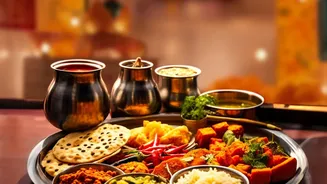
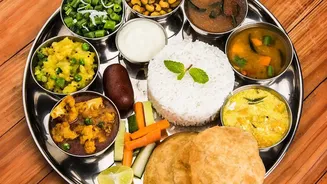
In North Kerala, particularly the Malabar region covering areas like Kozhikode and Kannur, the Onam feast often reflects its distinct cultural history. While the vegetarian Sadhya remains the foundation, it's not uncommon for non-vegetarian dishes to be
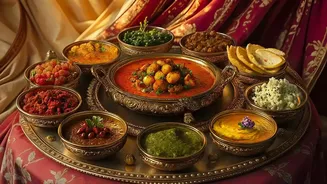
served alongside it. This isn't about replacing classics like Avial or Sambar, but about adding another layer of flavour. Families in this region, including many Hindu and Syrian Christian households, might complement their spread with fragrant chicken biryani, spicy beef fry (ularthiyathu), or Karimeen Pollichathu (pearl spot fish grilled in a banana leaf). This tradition stems from a food culture where meat and seafood are integral to celebratory meals, making their appearance during Onam a natural extension of local customs.
Travancore’s Sweet and Tangy Signatures
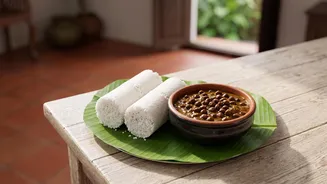
Travel south to the Travancore region, and the flavour profiles shift. Here, the feast remains staunchly vegetarian, but with its own unique twists. One standout dish is Mambazha Pulissery, a sweet and sour curry made with ripe mangoes simmered in a yogurt and coconut gravy. Unlike a standard spicy curry, it offers a delightful balance that is both comforting and complex. The Kootu Curry, a thick stew of yams, raw bananas, and black chickpeas, also gets a regional touch here, often featuring a roasted coconut paste that gives it a darker colour and richer, earthier taste. These dishes showcase how a single festival menu can be interpreted differently based on local produce and palate.
A Parade of Payasams
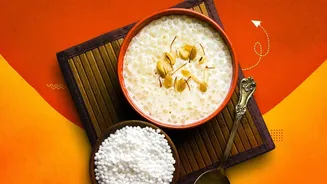
No Onam Sadhya is complete without a sweet, pudding-like dessert, and the variety of payasams and pradhamans across Kerala is staggering. While Palada Pradhaman (made with milk and rice flakes) is universally loved, many other versions deserve the spotlight. Ada Pradhaman, considered a classic, uses rice flakes cooked in a luscious blend of jaggery and coconut milk. For a fruity twist, there is Chakka Pradhaman, made from ripe jackfruit pulp, and Pazham Pradhaman, which uses mashed ripe bananas. Other traditional varieties include Parippu Payasam, a nutty and aromatic dessert made from moong dal, and Gothambu Payasam, a wholesome version made with broken wheat.
Central Kerala’s Subtle Variations
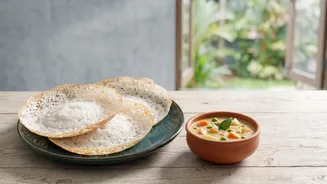
In the central parts of Kerala, including regions like Thrissur and Ernakulam, you'll find classic dishes prepared with subtle but significant differences. Kaalan, a thick, sour curry made with yam or plantain in a yogurt and coconut base, is particularly famous in this area. Its distinct flavour comes from a generous use of black pepper and a final seasoning in coconut oil. Another dish, Olan, is a testament to minimalist flavour. Made with ash gourd and cowpeas in a delicate coconut milk gravy, it provides a gentle, cooling counterpoint to the spicier dishes on the banana leaf, cleansing the palate between bites.
The Essential Onam Snacks
Beyond the main meal, the Onam season is also about the snacks. The iconic banana chips, known as Upperi or Kaya Varuthathu, are a must-have. Equally important is Sharkara Varatti, a chunkier version of banana chips coated in a thick layer of melted and spiced jaggery. These crunchy, sweet, and savoury bites are not just accompaniments; they are an integral part of the festive food experience, often prepared in large batches in homes and shared among family and friends. These snacks, along with the various pickles like Puli Inji, add layers of texture and flavour that complete the Onam feast.