




Dudhsagar Falls, Goa
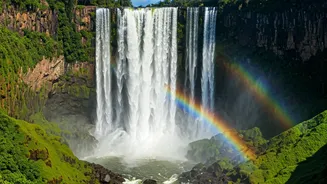
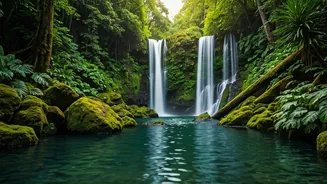
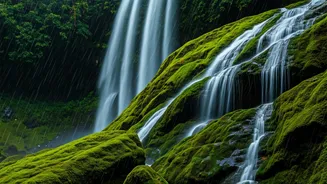
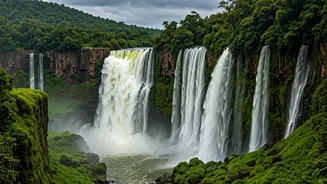
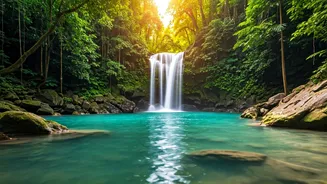
Literally meaning 'Sea of Milk', Dudhsagar is a four-tiered marvel on the Mandovi River, located on the border of Goa and Karnataka. During the monsoon, it transforms into a formidable cascade, plunging from a height of 310 meters. The surrounding Bhagwan
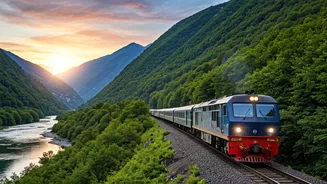
Mahaveer Sanctuary becomes intensely green, making the sight of the milky white water even more dramatic. Access during peak monsoon can be tricky; the popular jeep safari route is often suspended for safety reasons from June to October. However, the view from a passing train is iconic, and guided treks are sometimes available for the adventurous, offering a raw and powerful experience of nature. The falls are at their most forceful between July and September.
Jog Falls, Karnataka
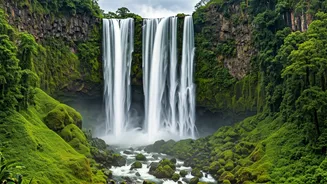
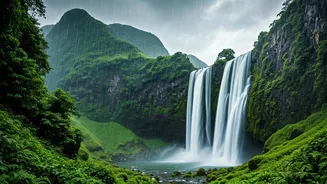
Located in the Shivamogga district, Jog Falls is formed by the Sharavathi River plunging 253 metres, making it one of India's highest waterfalls. It is actually a combination of four distinct cascades—Raja, Rani, Roarer, and Rocket—that merge into one powerful spectacle during the monsoon. The falls are rain-fed, and their full grandeur is on display between July and September when the water surges over the cliffs. Well-maintained viewing platforms offer panoramic vistas, though on heavily rainy days, mist can obscure the view. The sheer force and sound of the falls during this season make it a major attraction, drawing visitors from all over.
Nohkalikai Falls, Meghalaya
As India's tallest plunge waterfall, Nohkalikai drops an astonishing 340 meters from a clifftop near Cherrapunji, one of the wettest places on Earth. The monsoon months from June to September feed the falls, making it a thundering spectacle. The water collects in a deep pool below that shifts in colour from turquoise to a milky green, depending on the season and rainfall. A word of caution for visitors: during the peak of the monsoon, heavy clouds and fog can completely envelop the falls, hiding the view. For the clearest views combined with impressive water volume, many suggest visiting in the post-monsoon period from October to December.
Athirappilly Falls, Kerala
Often called the 'Niagara of India', Athirappilly Falls is the largest waterfall in Kerala, located on the Chalakudy River. It's a wide, block-type waterfall that becomes a roaring giant during the monsoon, which typically lasts from June to September. The sheer volume of water cascading over the 80-foot-high rock face is a powerful sight, attracting photographers and nature enthusiasts. The surrounding Sholayar forests, part of the Western Ghats, are incredibly vibrant and alive with wildlife during this time. While the falls are magnificent, visitors should exercise caution, as the rocks at the base can be slippery and dangerous at high flow.
Thoseghar Waterfalls, Maharashtra
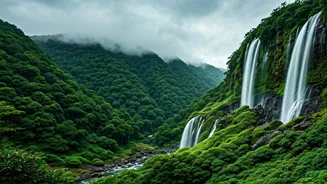
A series of cascades located near the village of Thoseghar, about 20 kilometres from Satara, this spot is a monsoon favourite in the Western Ghats. The falls include several smaller ones and a main plunge of approximately 200 meters. The area comes alive from July to November, when heavy rains fuel the waterfalls, making them spectacular. A well-maintained viewing platform allows visitors to safely admire the view of the water plunging into a deep gorge against a backdrop of dense greenery. It’s a serene spot, perfect for those looking to enjoy the quiet and powerful beauty of the monsoon in Maharashtra.