






What is Food Fortification?
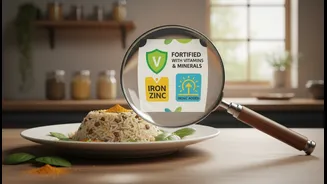
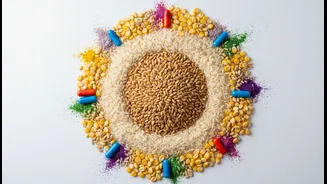
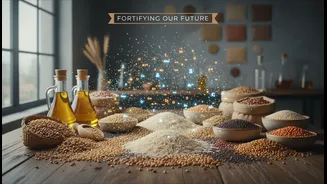
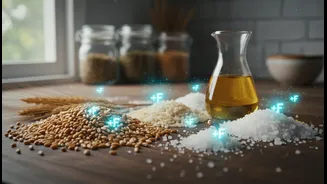
Food fortification is the process of adding essential micronutrients, like vitamins and minerals, to staple foods. The goal is to improve their nutritional value and address deficiencies in the wider population. This scientifically proven method is considered
a cost-effective and scalable public health intervention. In India, this is guided by the Food Safety and Standards Authority of India (FSSAI), which has set standards for fortifying everyday items. Key examples include iodized salt, milk and oil enriched with Vitamins A and D, and rice and wheat flour fortified with iron, folic acid, and Vitamin B12. This strategy aims to deliver essential nutrients to a large number of people without requiring them to change their eating habits.
The Case for Fortification
The primary driver for fortification is India's significant burden of 'hidden hunger' or micronutrient deficiency. A staggering portion of the population suffers from a lack of essential nutrients. For instance, various studies show high prevalence rates for deficiencies in iron, Vitamin D, Vitamin B12, and folate across different age groups. These deficiencies have severe consequences, including anemia, weakened immunity, and developmental issues in children. Women and children are disproportionately affected. Fortification offers a direct way to combat these specific issues. The widespread success of iodized salt in reducing iodine deficiency disorders is a classic example of this strategy's potential. By adding nutrients to foods people already consume daily, fortification can effectively and affordably reduce the prevalence of these widespread health problems.
A Solution, Not a Silver Bullet
Despite its clear benefits, food fortification is not a comprehensive cure for poor nutrition. The headline's claim that it doesn't fix "overall diet quality" gets to the heart of its limitations. A healthy diet is about much more than just a few key vitamins and minerals. Fortified foods, while useful, cannot replicate the complex array of nutrients, fibre, and bioactive compounds found in whole foods like fruits, vegetables, legumes, and whole grains. Experts argue that undernutrition in India is often caused by monotonous, cereal-heavy diets. While adding iron to rice can help with anemia, it doesn't address the lack of protein, healthy fats, or other essential elements that a diverse diet provides. Relying solely on fortification can create a false sense of security, potentially distracting from the more fundamental goal of improving dietary diversity.
The Broader Nutritional Picture
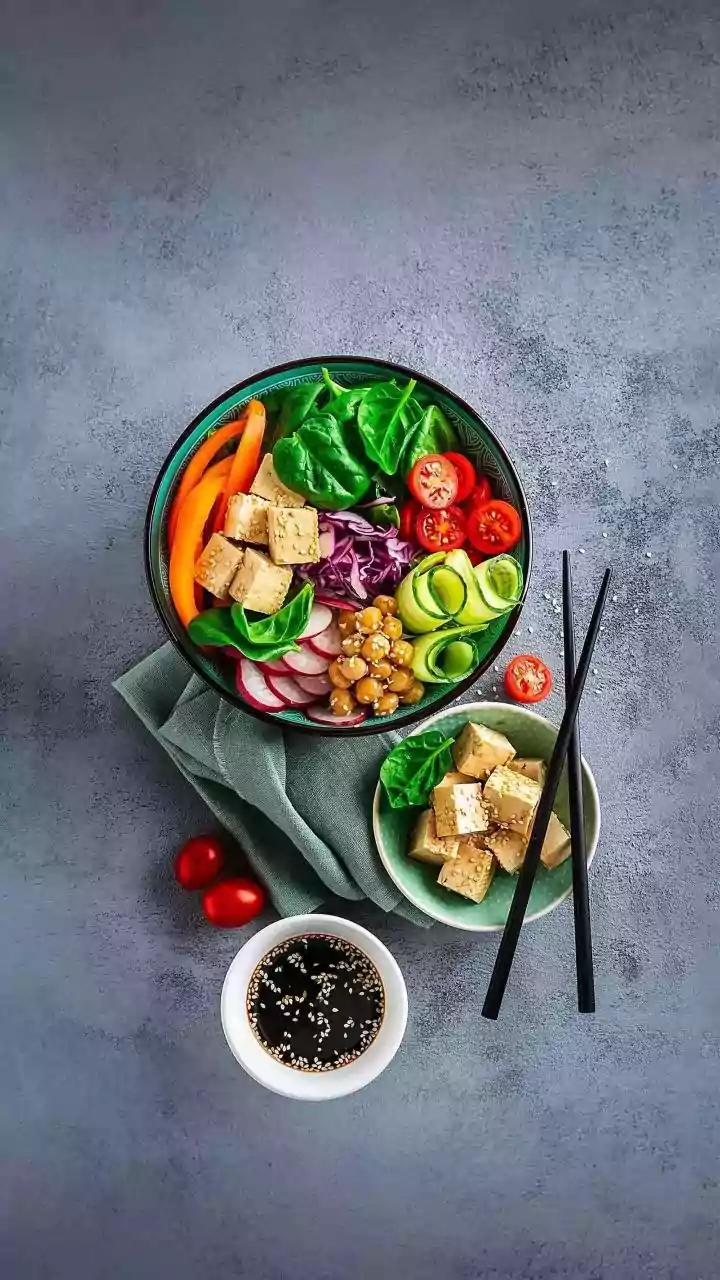
Achieving true nutritional security requires a multi-pronged approach where fortification is just one component. The ultimate goal should be to ensure everyone has access to affordable, diverse, and natural foods. Public health experts have consistently argued that promoting dietary diversity at the household level could have a significant impact on reducing malnutrition. This involves policies that support agriculture, make fresh produce more accessible, and educate the public on the importance of a balanced plate. Suppressing the value of naturally iron-rich foods like millets or green leafy vegetables in favour of a fortified staple like rice would be a missed opportunity. Therefore, fortification should be seen as a complementary strategy, a valuable tool to plug urgent gaps while the country works towards the long-term solution of better overall diets for all.
Concerns and Criticisms
The push for fortification, particularly mandatory fortification, is not without its critics. Some health experts raise concerns about the potential for nutrient overdose, or hypervitaminosis, especially since fortification is a blunt tool that treats nutrient-deficient and sufficient populations alike. There are also specific health risks; for example, iron-fortified foods can be harmful to people with conditions like thalassemia or sickle cell anemia. Other criticisms focus on the economic impact, suggesting that mandatory fortification could sideline small-scale local food processors in favour of large corporations. Furthermore, some question the efficacy, pointing out that not all anemia is due to iron deficiency and that the body's absorption of single, added nutrients can be complex. These debates highlight the need for careful regulation, transparent research, and ensuring that fortification policies do not have unintended negative consequences.