







Beyond Grams: What Are Protein Quality Scores?
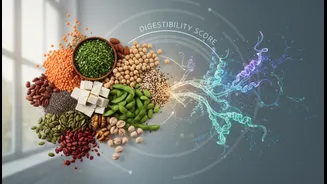
For years, the conversation around protein has been dominated by quantity—how many grams you should eat per day. But not all protein is created equal. A protein quality score is essentially a report card for protein sources. It evaluates how well a protein provides
the nine essential amino acids our bodies can t make on their own, and how easily our bodies can digest and absorb them. Think of it this way: two foods might have 20 grams of protein, but if your body can only use 10 grams from one and 18 grams from the other, they offer very different nutritional value. These scores help scientists and, increasingly, consumers understand which protein sources are most effective at building muscle, supporting immunity, and maintaining overall health.
The Old Method vs. The New Science
The long-standing method for scoring protein quality is the Protein Digestibility-Corrected Amino Acid Score (PDCAAS). Adopted in 1993, it became the standard for food labelling. PDCAAS measures digestibility by looking at what’s left in the entire digestive tract. However, it has a key limitation: its scores are capped at 1.0. This means that several high-quality proteins, like whey and egg, all get a perfect score, even if one is nutritionally superior to the other. Enter the Digestible Indispensable Amino Acid Score (DIAAS). Recommended by the UN 's Food and Agriculture Organization (FAO) in 2013 to replace PDCAAS, this newer method is gaining significant traction due to recent research. DIAAS is considered more accurate because it measures the absorption of individual amino acids at the end of the small intestine, providing a truer picture of what the body actually absorbs. Crucially, DIAAS scores are not capped, allowing for a clearer distinction between good and excellent protein sources.
The Buzz: What New Research Reveals
The renewed attention on protein quality is driven by a growing body of research applying the more precise DIAAS method. Recent studies are generating a wealth of data on various foods, confirming the superiority of this scoring system. These findings are particularly relevant to the ongoing debate between animal- and plant-based proteins. Under the old PDCAAS system, some plant proteins like soy isolate scored very close to animal proteins. However, DIAAS often shows a wider gap. For example, whey protein might score above 110 on the DIAAS scale, while soy protein isolate scores closer to 90. This new data allows for a more nuanced understanding, highlighting that while many plant proteins are incredibly healthy, they may be limited in one or two essential amino acids.
Implications for Indian Diets
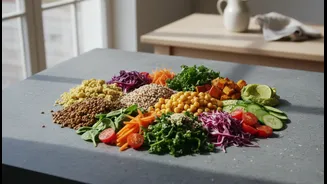
This conversation is especially important in India, where diets are often rich in cereals. Studies show that nearly half of the protein in the average Indian diet comes from cereals, which have a low-quality amino acid profile and are often limited in the essential amino acid lysine. While the total protein intake might seem adequate on paper, the usable, high-quality protein may be insufficient. The DIAAS framework reinforces the wisdom of traditional Indian food pairings. Combining cereals (like rice or roti) with pulses (like dal or chana) creates a more complete amino acid profile, effectively boosting the overall protein quality of a meal. This new scoring system provides scientific validation for dietary diversity, showing that blending different plant-based sources or supplementing with small amounts of high-quality animal protein (like dairy, paneer, or eggs) can significantly improve nutritional outcomes.
So, What Should You Do?
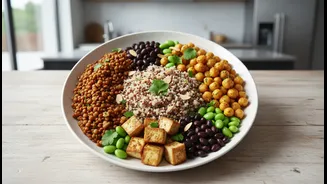
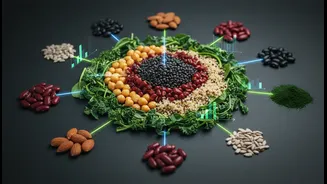
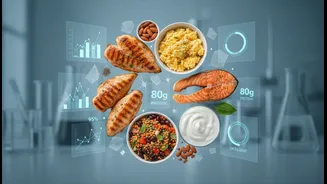
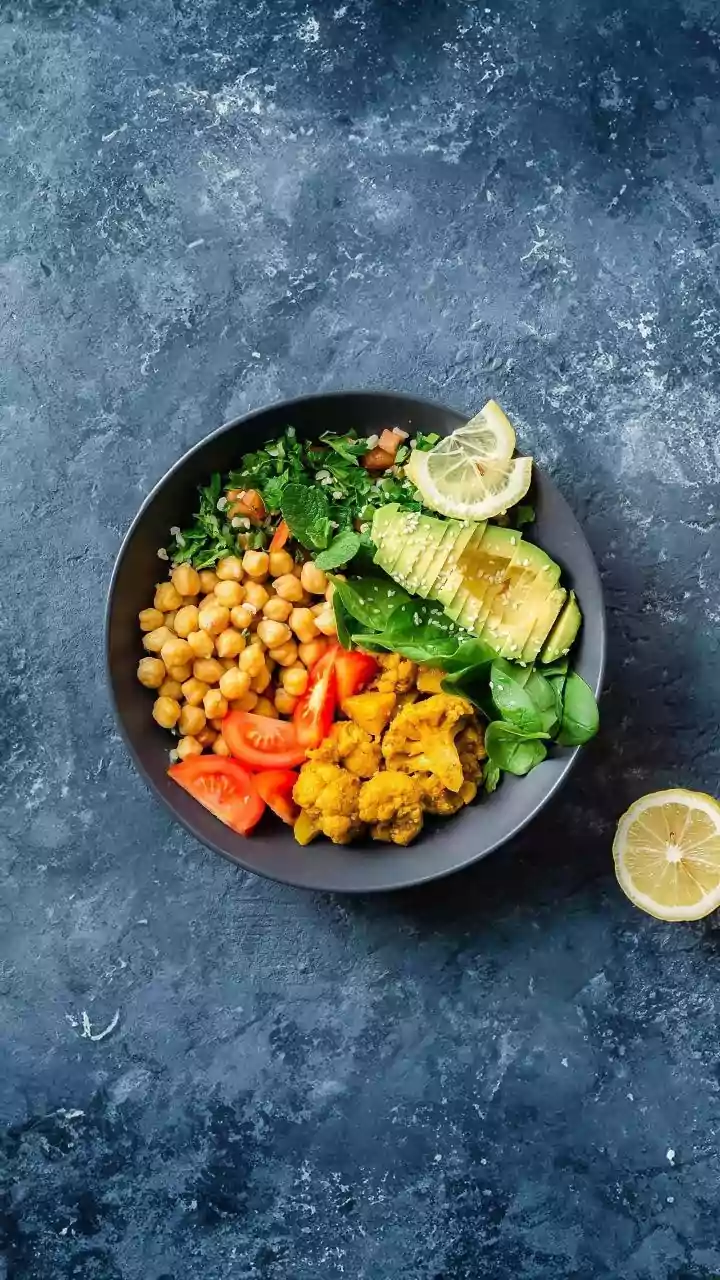
For the average health-conscious person, this doesn 't mean you need to start calculating DIAAS scores for every meal. The key takeaway is to focus on protein quality and variety. Don 't just count grams; think about where your protein comes from. Aim for a diverse diet that includes a mix of protein sources. If you follow a vegetarian or vegan diet, be mindful of combining different foods to ensure you get all essential amino acids. Legumes, lentils, soy products, nuts, and seeds are all excellent choices. For non-vegetarians, incorporating high-quality sources like eggs, lean meats, fish, and dairy can effectively supplement plant-based staples. The goal isn 't to demonize any food group but to build a more resilient and nutritionally complete plate.