



Artemis Program: A Return to the Moon, Together
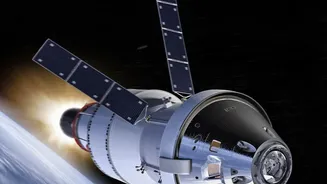
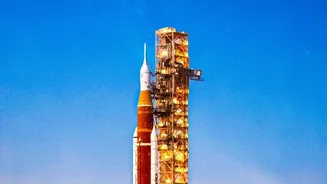
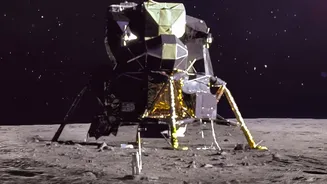
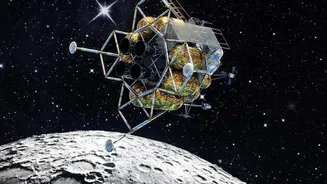
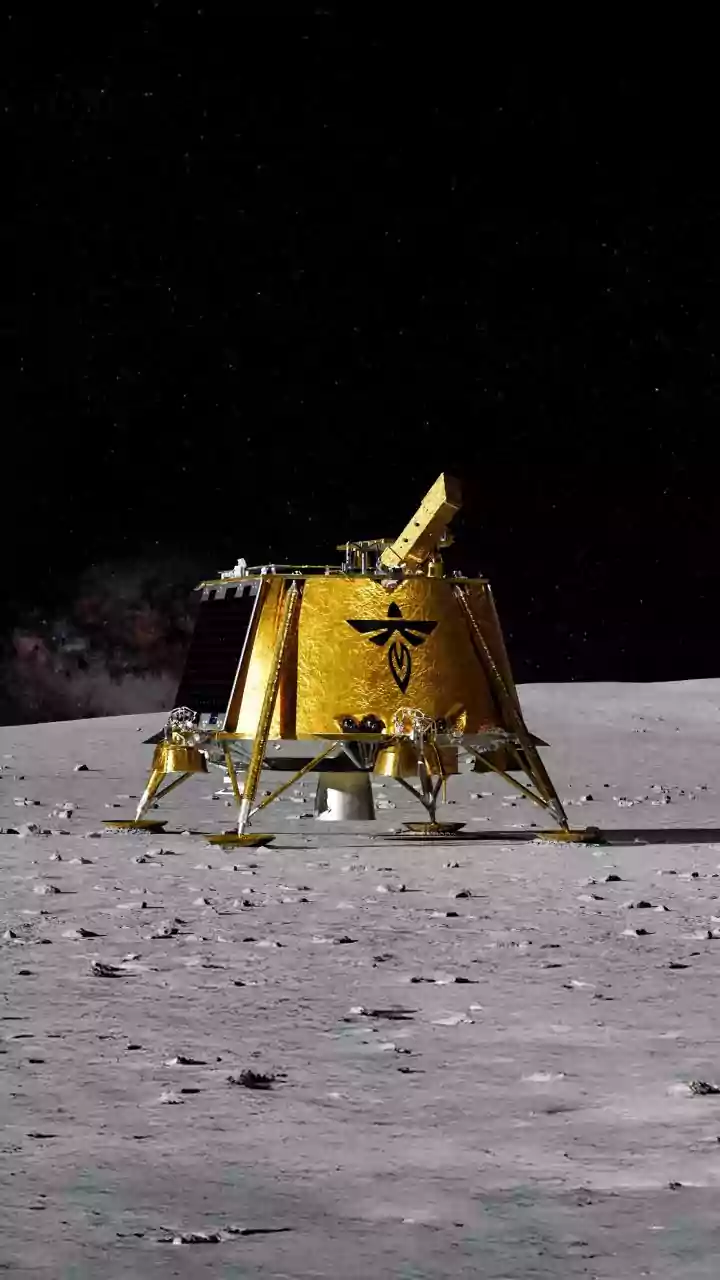
The centrepiece of NASA's current ambitions is the Artemis program, which aims not just to return humans to the Moon, but to establish a sustainable, long-term presence there. For India, this isn't just a spectator sport. In 2023, India became a signatory
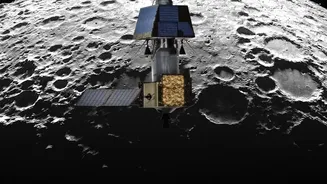
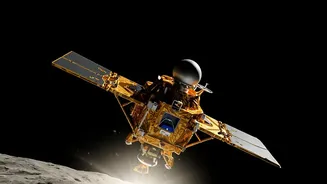
to the Artemis Accords, a set of principles for peaceful and cooperative space exploration. This diplomatic handshake has blossomed into a significant invitation. In August 2026, during a joint working group meeting in Bengaluru, NASA formally invited ISRO to participate in its planned Moon Base. This proposed base, located near the lunar South Pole, would be a permanent research outpost. For India, which has its own goals of landing an astronaut on the Moon by 2040 and boasts proven expertise from its Chandrayaan missions, this collaboration offers a fast track to advanced technology and a role in shaping humanity's future on another world.
NISAR: The Indo-US Eye in the Sky
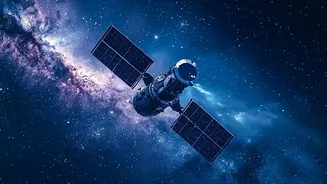
The NASA-ISRO Synthetic Aperture Radar (NISAR) mission is perhaps the most powerful symbol of the US-India space partnership. Launched in July 2025, this sophisticated Earth-observing satellite is a true joint effort, featuring instruments built by both space agencies. Its purpose is to track changes in Earth’s ecosystems, ice sheets, and land surfaces with unprecedented detail, imaging the entire planet every 12 days. As of July 2026, fully calibrated provisional data from the mission is being released to the public, offering critical insights into disaster management, climate change, and agriculture. From monitoring sinking ground in cities to observing glacial melt, NISAR provides invaluable data that directly benefits a nation like India, which is highly vulnerable to the impacts of a changing climate. It represents a shared commitment to using space technology for the good of the planet.
Mars Sample Return: The Quest for Martian Secrets
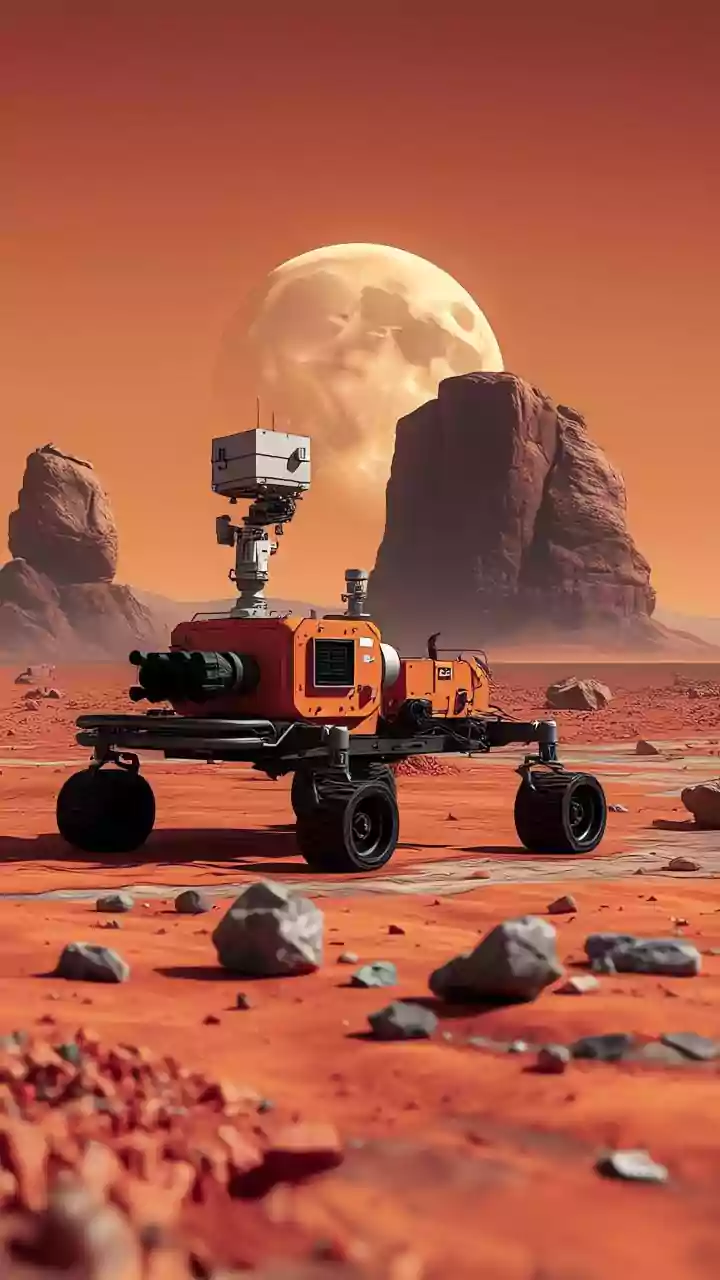
Following the monumental success of its Mars Orbiter Mission (Mangalyaan), India has a vested interest in the ongoing exploration of the Red Planet. NASA's Mars Sample Return (MSR) mission, while facing revisions, remains one of the most exciting and challenging endeavours in planetary science. The goal is to bring back rock and soil samples collected by the Perseverance rover, which could hold clues to whether life ever existed on Mars. After a programmatic overhaul to reduce costs and accelerate the timeline, NASA is expected to confirm the final mission design in the second half of 2026, with a potential sample return in the 2030s. For Indian scientists and a public that celebrated Mangalyaan's triumph, MSR is the next logical step in humanity's quest to understand our planetary neighbour, a mission whose scientific payoff will be shared by the entire world.
The Indian Connection: People Powering the Missions
Beyond official collaborations, the Indian connection to NASA is deeply personal. For decades, scientists and engineers of Indian origin have been instrumental to NASA's success, a legacy that continues with the current generation of missions. People like Dr. Swati Mohan, who famously guided the Perseverance rover to its landing, and Dr. Amit Kshatriya, a key leader in the Moon-to-Mars Program, are at the forefront of NASA's efforts. Astronauts with Indian roots, from the trailblazing Kalpana Chawla to Sunita Williams and Raja Chari, have become household names and sources of immense pride and inspiration. These individuals represent a powerful thread connecting India's deep talent pool to the cutting edge of global space exploration, serving as role models for millions of aspiring scientists and engineers back home.