






First, What Is Omakase?
Traditionally, 'omakase' is a Japanese term that translates to 'I'll leave it up to you.' In a classic sushi restaurant, it means putting your trust entirely in the chef. You don't order from a menu; instead, the chef presents a series of meticulously
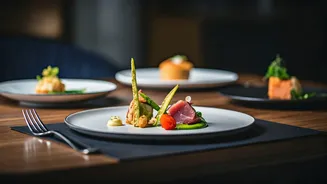
crafted, seasonal dishes, showcasing their skills and the best ingredients of the day. It’s an intimate, theatrical experience where each course is a surprise. Now, this philosophy is being brilliantly adapted for vegetarian cuisine. Instead of fatty tuna and uni, chefs are applying the same reverence and creativity to heirloom tomatoes, foraged mushrooms, and unique local greens.
The Elevation of the Humble Vegetable
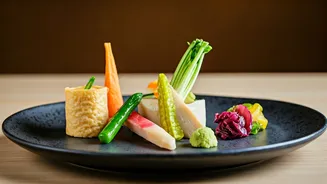
For years, high-end vegetarian food in India often meant richer gravies, imported cheeses, or elaborate versions of familiar dishes. The vegetable itself was rarely the star. The veg omakase trend flips this script entirely. Here, a single carrot might be slow-roasted, glazed, and pureed to express its inherent sweetness in multiple ways on one plate. A humble turnip could be fermented, pickled, and grilled, revealing complexities of flavour you never knew it had. Chefs are using global techniques—from Japanese fermentation to French culinary precision—to unlock the extraordinary potential of plant-based ingredients. It's not about mimicking meat; it's about celebrating vegetables for what they are, in their most flavourful and artistic forms.
An Experience, Not Just a Meal
A key driver of this trend is the growing demand among urban Indians for experiential dining. People are no longer just going out for food; they are seeking stories, entertainment, and memorable moments. An omakase dinner delivers this in spades. The counter seating often faces the chef, turning the kitchen into a stage. Each dish is presented with an explanation of its ingredients, inspiration, and technique. This direct interaction creates a connection and makes the diner a participant in a culinary narrative. It’s a multi-sensory performance that feels exclusive and personal, making it the perfect special-occasion splurge or a sophisticated night out in cities like Mumbai, Delhi, and Bengaluru, where the appetite for unique experiences is insatiable.
A New Kind of Status Symbol
Let’s be clear: this is a premium experience with a price tag to match. A veg omakase meal can cost several thousand rupees per person. But its rising popularity signals a shift in what urban Indians consider luxury. The new status symbol isn't just about expense; it's about discernment, wellness, and global consciousness. Opting for a plant-based tasting menu aligns with global trends towards mindful eating and sustainability, without sacrificing an ounce of indulgence or sophistication. It allows diners to project an image of being both worldly (by embracing a Japanese concept) and conscious (by choosing a vegetable-forward meal). It's a quiet luxury that speaks volumes about a person's palate and values.
A Sign of Culinary Confidence
Ultimately, the rise of veg omakase is a powerful testament to the confidence and creativity of the modern Indian culinary scene. It takes immense skill to build a multi-course tasting menu entirely from vegetables that remains dynamic, satisfying, and surprising from start to finish. Restaurants leading this charge are proving that vegetarian cuisine can be just as complex, innovative, and worthy of a fine-dining pedestal as any non-vegetarian fare. They are catering to a large, sophisticated vegetarian population that has long been underserved in the experimental dining space, as well as curious non-vegetarians eager for a novel experience.