



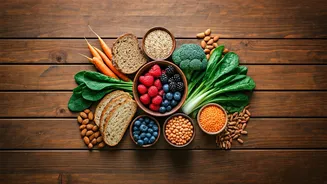




The Unsung Hero of Your Plate
Dietary fibre is the part of plant-based foods that your body can't digest or absorb. [12, 17] Unlike other carbohydrates that break down into sugar, fibre passes relatively intact through your system, performing a host of crucial functions along the way.
[12] There are two main types: soluble and insoluble. Soluble fibre dissolves in water to form a gel-like substance, which can help lower cholesterol and blood sugar levels. [17, 20] It's found in oats, beans, apples, and carrots. [17] Insoluble fibre does not dissolve in water and adds bulk to your stool, promoting regular bowel movements and preventing constipation. [17, 20] Good sources include whole-wheat flour, nuts, and vegetables like cauliflower. [17] Most plant foods contain a mix of both, which is why a varied diet is key. [17]
More Than Just Digestion
While fibre is famous for keeping your digestive system healthy, its benefits extend much further. A high-fibre diet can significantly lower your risk for chronic conditions like heart disease, type 2 diabetes, and certain cancers. [15, 17] Because fibre slows digestion, it helps prevent sharp spikes in blood sugar after a meal, making it a powerful ally for diabetes management. [3, 20] It also helps you feel fuller for longer, which can aid in weight management by reducing overall calorie intake. [7, 17] Furthermore, fibre is essential for a healthy gut microbiome; it acts as food for beneficial gut bacteria, which are linked to everything from improved immunity to better mood. [7, 14]
Finding Fibre in the Indian Kitchen
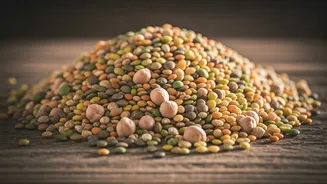
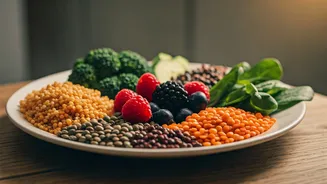
The good news is that traditional Indian cuisine is naturally rich in fibre. Staples like lentils (dal), legumes (chana, rajma), whole grains, and a wide array of vegetables form the foundation of a high-fibre diet. [6, 23] Millets such as jowar, bajra, and ragi are excellent gluten-free sources of fibre. [6, 16] Simply choosing whole-wheat atta for your rotis over refined flour makes a significant difference. [6, 13] Vegetables like okra (bhindi), spinach (palak), and bottle gourd (lauki) are packed with fibre, as are fruits like guava, bananas, and apples (eaten with the skin). [6, 9, 13] The Indian Council of Medical Research (ICMR) suggests adults should aim for about 25-40 grams of fibre daily, yet many urban Indians consume only about half of that. [2, 16]
Practical Swaps for a Fibre-Rich Day
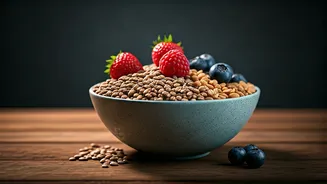
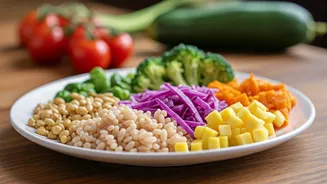
Increasing your fibre intake doesn't require a complete dietary overhaul. Small, consistent changes can have a big impact. Start your day with a high-fibre breakfast like porridge (oats) or a dalia upma. [5, 11] For lunch and dinner, ensure at least half of your plate is filled with vegetables and include a serving of dal, chana, or rajma. [22, 23] Swap white rice for brown rice or a mix of millets. [2, 4] When snacking, reach for a piece of fruit, a handful of nuts, or some roasted chana instead of processed options. [4, 5] Another easy trick is to add seeds like flax or chia to your yogurt, smoothies, or salads for an extra boost. [5] Remember to increase your fibre intake gradually over a few weeks and drink plenty of water to help your digestive system adjust and prevent discomfort like bloating. [4]