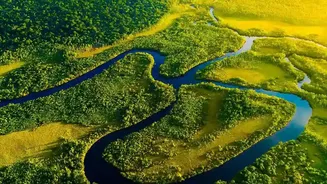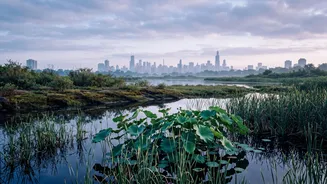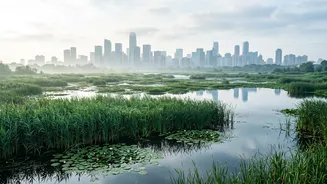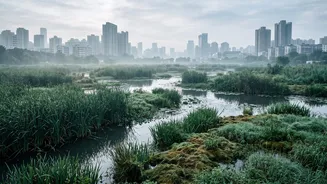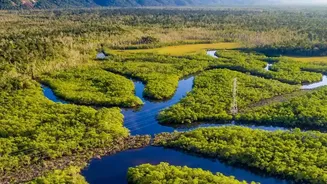




In the concrete sprawl of our cities, they are the unsung heroes. Often overlooked or dismissed as marshy wastelands, urban wetlands are in fact vibrant ecosystems that serve as crucial lifelines for both wildlife and human populations.
The City’s Living Sponges
An urban wetland
is any area of land within or near a city that is saturated with water, either permanently or seasonally. This includes lakes, ponds, marshes, and river floodplains. Far from being vacant lots, these are complex, productive ecosystems. In India, they have historically been integral to urban life, but rapid expansion has led to many being drained, filled in, or polluted. Some cities have lost a staggering amount of their wetlands, with estimates suggesting Chennai has lost 90% and Mumbai 71%. Yet, those that remain, like the Pallikaranai Marsh in Chennai and the East Kolkata Wetlands, are invaluable natural assets, now recognised as wetlands of international importance under the Ramsar Convention.
An Ark in the Metropolis
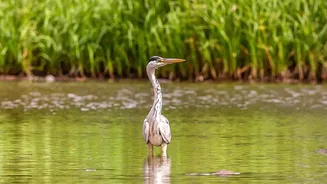
For local fauna, these wetlands are nothing short of an oasis. They provide essential habitats for a surprising diversity of species trying to survive in human-dominated landscapes. The Pallikaranai Marsh, for instance, is home to over 100 species of birds, including migratory visitors like the glossy ibis and greater flamingo, alongside dozens of species of fish, reptiles, and amphibians. These areas act as breeding grounds, sources of food, and crucial stopover points for migratory birds. They are biodiversity hotspots that maintain a semblance of ecological balance amidst urban chaos, offering a rare chance for city dwellers to connect with nature.
A Natural Flood Defence System
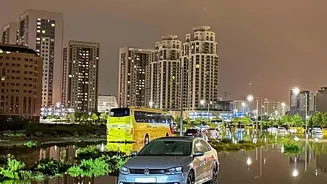
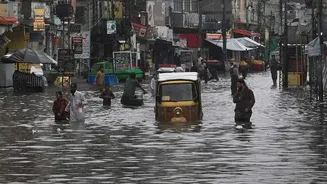
Perhaps their most critical function for urban India is flood control. Wetlands act like giant, natural sponges. During heavy monsoon rains, they absorb and store massive volumes of excess water, releasing it slowly over time. This process reduces the strain on overburdened city drainage systems and mitigates the flash floods that increasingly plague cities like Chennai, Mumbai, and Kolkata. The East Kolkata Wetlands, for example, play a crucial role in absorbing stormwater for the city, following the area's natural saucer-shaped topography. Furthermore, by allowing water to percolate into the ground, wetlands help recharge vital groundwater aquifers, which are a key source of drinking water for many communities.
More Than Just Water and Wildlife
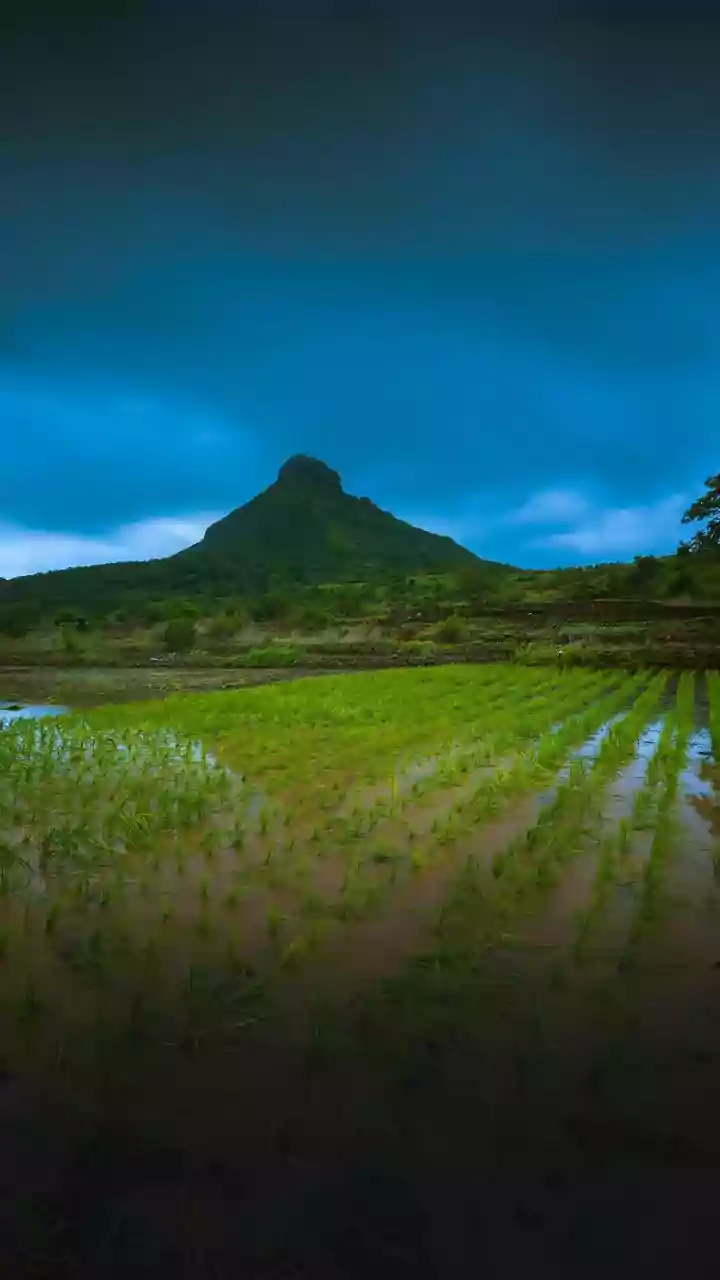
The benefits of urban wetlands extend even further. The East Kolkata Wetlands, often called the 'kidneys of Kolkata', naturally treat a significant portion of the city's sewage. The nutrient-rich water is then used for fish farming (pisciculture) and agriculture, providing livelihoods for thousands and supplying a large amount of fish to the city's markets. These ecosystems also act as powerful carbon sinks, capturing and storing carbon to help regulate the local climate and improve air quality. They serve as recreational spaces and living laboratories for education and research.
The Paved Over Paradise
Despite their immense value, urban wetlands are under constant threat. They are often seen as prime real estate for development, leading to encroachment and conversion. Pollution from untreated industrial and domestic waste, along with the dumping of solid garbage, chokes these delicate ecosystems, turning them into toxic water bodies. The Pallikaranai Marsh, for instance, has shrunk dramatically due to urbanization, with studies showing hundreds of smaller water bodies in its catchment area have disappeared entirely. This degradation not only destroys wildlife habitats but also severely increases the risk of urban flooding.