






The End of the Greasy Snack Era?
For decades, the rhythm of the workday in Maharashtra was punctuated by the sizzle of frying oil. Office canteens and nearby stalls did brisk business serving up plates of deep-fried goodness. Samosas, pakodas, and medu vadas weren't just snacks; they
were a social lubricant, a comforting break from deadlines and emails. The communal chai-and-bhajji session was an institution, a moment to bond with colleagues over a shared, indulgent treat. This culture of carb-heavy, oily snacks was deeply embedded, seen as a quick and satisfying way to beat the afternoon energy dip. However, this long-standing tradition is now facing a significant challenge, not from a competing snack, but from a fundamental shift in mindset.
A Government-Led Health Push
The most significant catalyst for this change has come from the top. In a major policy shift, the Maharashtra government has mandated that its offices and canteens must prioritize nutritious food. This new directive aims to reduce the presence of oily and highly processed snacks like batata vadas and pakodas from official menus. The policy applies to all government meetings, training programs, and canteens across the state. The stated goal is to tackle the rising burden of lifestyle-related diseases such as diabetes and hypertension and to foster a healthier work culture among government employees, hoping it will inspire a wider societal change. The move institutionalizes the shift, replacing fried items with options like boiled pulses, millet-based bhakris, poha, and idli-sambar.
The Rise of the Wellness-Focused Worker
Beyond government mandates, a grassroots movement towards health consciousness is reshaping corporate pantries. Employees, particularly younger generations, are more aware than ever of the link between diet, well-being, and productivity. The post-lunch slump, once accepted as inevitable, is now seen as a problem that can be solved with better nutrition. This awareness is driving a demand for lighter, more energizing options. Instead of the heavy, fried snacks that can lead to lethargy, professionals are seeking out foods that sustain focus. This isn't just about weight management; it's about optimizing performance and feeling good throughout the workday. The conversation has shifted from momentary indulgence to long-term well-being.
Poha, Upma, and the New Pantry Stars
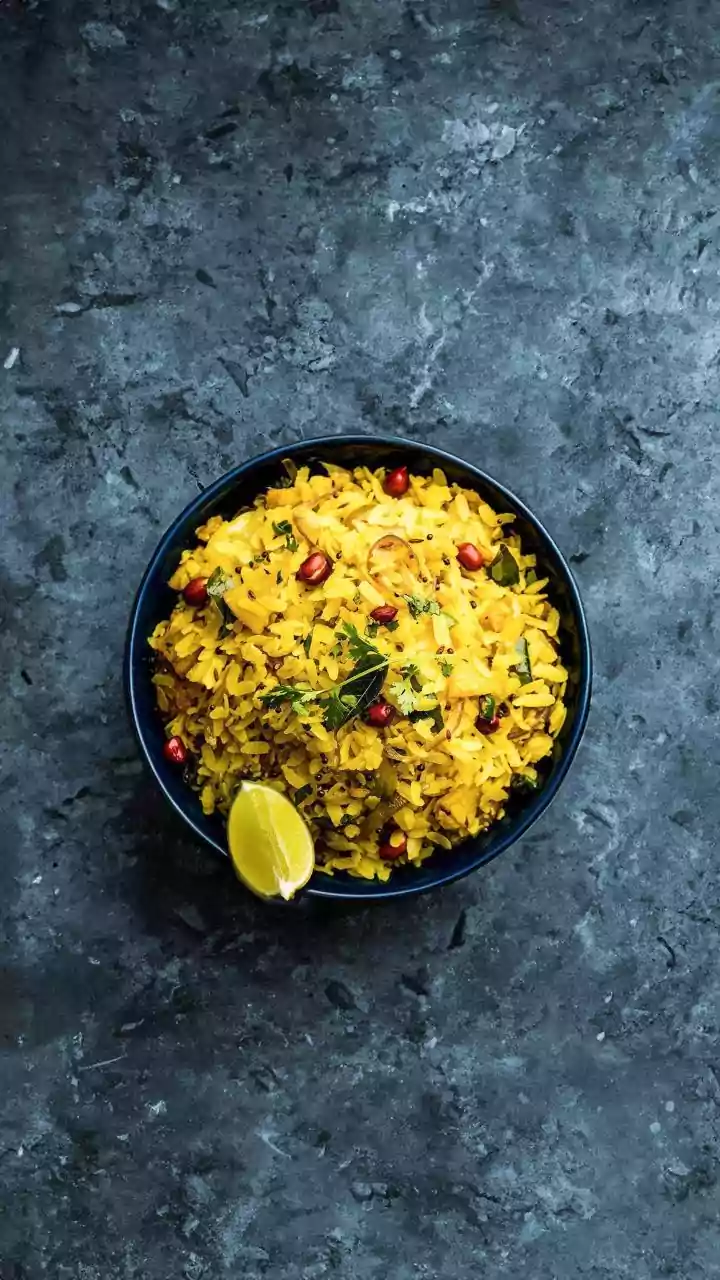
So, what is replacing the venerable pakoda? The new heroes of the office pantry are familiar, comforting, but significantly lighter. Poha, vegetable upma, sprout salads, and fruit bowls are becoming the new staples. These foods provide complex carbohydrates for sustained energy release, unlike the sharp sugar spikes from refined flour snacks. Millets like ragi, jowar, and bajra are also making a strong comeback in office canteens, often in the form of bhakris or porridges. Even beverages are changing, with buttermilk (solkadhi), coconut water, and sugar-free green tea gaining popularity over sugary, milky chai. These options are not just healthier; they are also seen as modern and align with a more globally conscious approach to wellness.
A Booming Business for Healthy Bites
This demand has not gone unnoticed by entrepreneurs. A new ecosystem of food businesses is thriving by catering specifically to this health-conscious corporate clientele. Cloud kitchens and subscription-based dabba services in cities like Mumbai and Pune are designing menus around low-oil, high-protein meals. These services offer curated meal plans that include everything from protein-rich salads to keto bowls and millet-based thalis, delivered directly to office buildings. Corporate food service providers are also revamping their offerings, with over 40% of companies reportedly requesting health-centric menu transformations, focusing on everything from gut-friendly foods to calorie-labelled dishes.
More Than Food: A Cultural Statement
The shift from pakodas to poha is more than just a change in diet; it represents a deeper cultural evolution in the Maharashtrian workplace. It signifies a move from a traditional, more relaxed pace to a culture that values efficiency, productivity, and employee well-being as a strategic asset. Companies are realizing that investing in their employees' health through better food choices leads to reduced absenteeism and higher engagement. A well-stocked, healthy pantry is no longer just a perk; it's becoming a differentiator in the competition for talent and a tangible sign that an employer cares about its workforce's long-term health.