





The Twin Threats: Monsoon Water and Pollution
During the monsoon, hair faces a two-front battle. Firstly, rainwater in urban areas is often acidic and laden with pollutants. These particles settle on your scalp and hair, clogging follicles and disrupting the natural pH balance. This can lead to irritation,
dandruff, and weakened roots. Secondly, the high humidity causes the hair shaft to absorb excess moisture, making it swell and weaken from within. This process, known as hygroscopic swelling, compromises the hair's protein structure, making it prone to breakage and feeling rough. This is often made worse by hard water, which deposits minerals like calcium and magnesium that strip natural oils, leading to further dryness and brittleness.
Nature's Defence: How Botanicals Fight Back
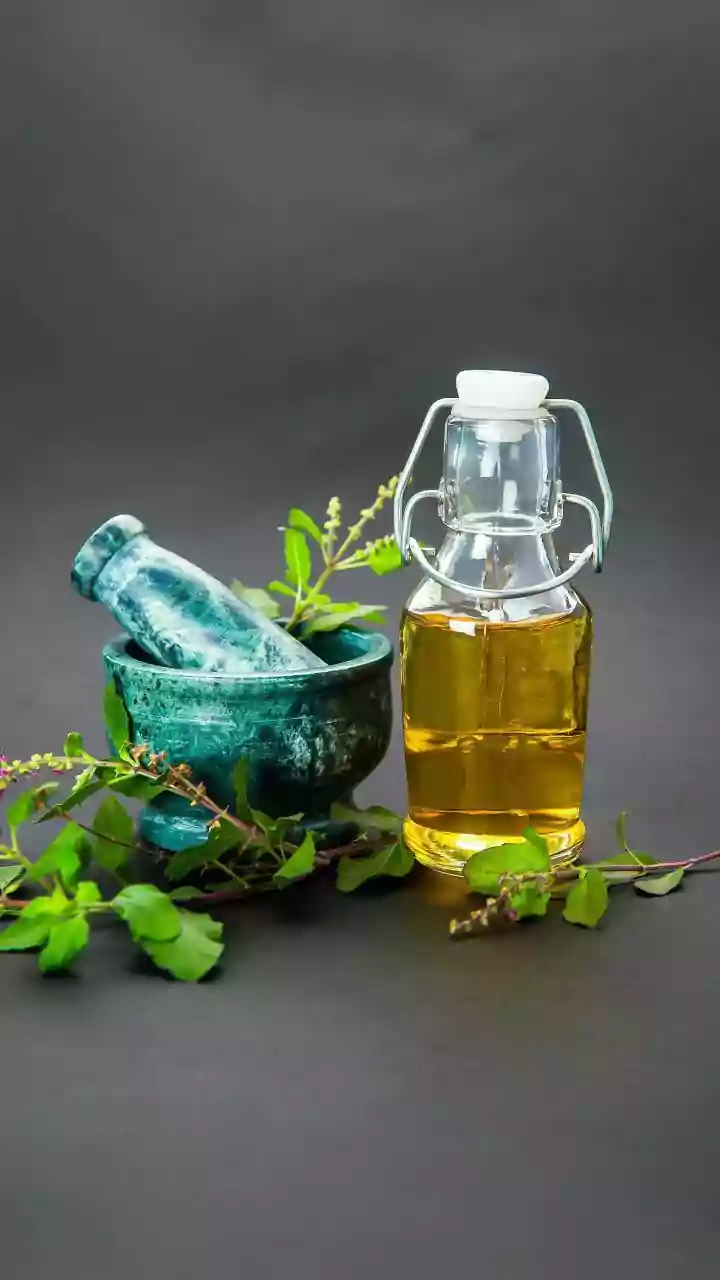
This is where traditional, DIY botanical treatments come in. Unlike synthetic products that can sometimes just coat the hair, natural ingredients work to restore balance and nourish from the inside out. They are rich in antioxidants, vitamins, and minerals that directly counter the effects of environmental damage. Antioxidants neutralise the free radicals from pollution that cause oxidative stress on the scalp, which is linked to premature greying and hair thinning. Many herbs also have clarifying, anti-inflammatory, and antimicrobial properties that cleanse the scalp of buildup, soothe irritation, and fight off fungal issues that thrive in damp monsoon weather.
Amla: The Antioxidant Powerhouse
Amla, or Indian Gooseberry, is an elixir for hair. Exceptionally rich in Vitamin C and antioxidants, Amla helps fight oxidative damage and strengthens follicles. Its mild astringent properties help cleanse the scalp, removing pollutant buildup and balancing oil production, which can go into overdrive during humid weather. A simple amla rinse, made by boiling amla powder in water and letting it cool, can help restore shine and vitality. For a deeper treatment, an amla powder and yoghurt mask can strengthen the hair shaft, reduce breakage, and soothe an itchy scalp.
Hibiscus: The Ultimate Natural Conditioner
Both the leaves and flowers of the hibiscus plant are packed with amino acids that nourish hair follicles and boost keratin production, the very protein that gives hair its strength. Hibiscus has a high mucilage content, a gel-like substance that acts as a fantastic natural conditioner. It traps moisture in the hair shaft, restoring elasticity, smoothing the cuticle, and taming frizz. A paste made from crushed hibiscus leaves and flowers applied to the hair for an hour before washing acts as a deeply hydrating mask that leaves hair soft, shiny, and manageable.
Neem and Fenugreek: The Scalp Saviours
Neem is renowned for its potent antifungal and antibacterial properties, making it the perfect defence against monsoon-related scalp infections like dandruff and itchiness. It helps keep the scalp clean and healthy, creating the right environment for strong hair growth. Fenugreek (Methi) seeds are a rich source of protein and nicotinic acid, which are known to strengthen hair roots and prevent shedding. They also contain lecithin, a natural emollient that deeply moisturises the hair. A paste of soaked fenugreek seeds mixed with neem powder can be a powerful weekly treatment to fortify the roots and keep the scalp clear and balanced.
Creating Your Simple Revitalising Mask
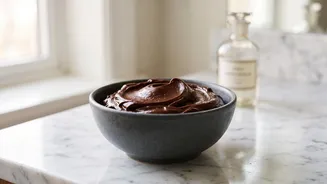
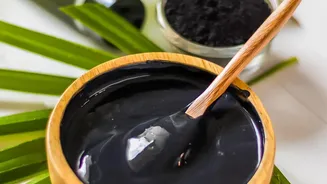
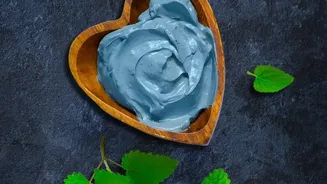
You don't need a complex recipe to get started. A simple, effective mask can be made by combining powders of these potent herbs. Mix two tablespoons of Amla powder, one tablespoon of Hibiscus powder, and one tablespoon of Neem powder. Add enough plain yoghurt or aloe vera gel to form a smooth, spreadable paste. Apply this mixture evenly to your scalp and along the length of your hair. Leave it on for 30-45 minutes before rinsing thoroughly with lukewarm water and a mild shampoo. Always remember to do a patch test before trying any new ingredient to ensure you don't have a reaction.