






More Than Just a Drink
In India, chai is a constant. It’s the backdrop to conversations, the fuel for long workdays, and a gesture of hospitality. The traditional masala chai, with its aromatic blend of spices like ginger, cardamom, and cloves, is a cultural touchstone. These
spices are not just for flavour; many have been used in Ayurveda for centuries. Ginger is known to aid digestion, cinnamon can have anti-inflammatory properties, and cardamom contains antioxidants. The black tea base itself is rich in compounds like flavonoids, which can support heart health. This beloved brew is steeped in benefits, offering a moment of comfort and a host of wellness properties in every cup.
Deconstructing Your Daily Cup
The conversation around a balanced diet often begins when we look closer at what goes into our daily chai. While the spices and tea leaves offer benefits, the other two main ingredients—milk and sugar—are where things get complicated. A typical cup of chai prepared with whole milk and sugar can contain between 120 to 150 calories. Most of these calories come from carbohydrates and fat. Studies suggest that adding milk can potentially reduce the antioxidant capacity of tea, while added sugar contributes empty calories without significant nutritional value. This doesn't make chai 'bad,' but it does make it a significant factor in our daily dietary intake, worthy of a closer look.
The Sugar Question
The single biggest area for change in the daily tea ritual is sugar. Excess sugar consumption is a growing health concern, and the multiple cups of sweet chai consumed daily can add up significantly. A single serving with two teaspoons of sugar introduces a rapid dose of sucrose, which can spike blood sugar levels, especially if consumed on an empty stomach. The key is not necessarily elimination, but moderation. A gradual reduction is often more sustainable than quitting overnight. Enhancing your brew with spices like cinnamon or extra cardamom can add flavour and perceived sweetness, making it easier to cut back. Even switching from two spoons to one can make a meaningful difference in your daily sugar load.
Exploring Healthier Alternatives
Beyond modifying your masala chai, the world of tea offers a wide array of choices that fit into a balanced diet. Green tea, made from the same plant but processed differently, is celebrated for its high antioxidant content. Herbal infusions, which are naturally caffeine-free, provide targeted benefits. Tulsi (holy basil) tea is known for its stress-relieving properties. Ginger-lemon tea can be a powerful digestive aid, while peppermint tea is cooling and refreshing. These options can be enjoyed without milk or sugar, making them excellent, low-calorie ways to hydrate and enjoy a warm beverage. Integrating these into your routine, perhaps in the afternoon or evening, can diversify your palate and your nutrient intake.
Making Tea a Mindful Ritual
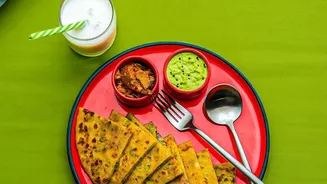
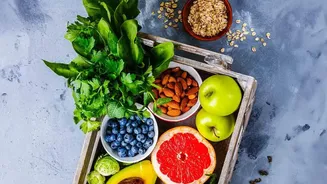
Transforming your tea habit is less about restriction and more about mindfulness. Start by paying attention. Measure your sugar instead of pouring it by eye. Consider what you pair your tea with; swapping fried snacks for roasted chana or a handful of nuts can drastically change the nutritional profile of your tea break. Try having your first cup of the day after a small, protein-rich bite to prevent a blood sugar spike. You could also explore naturally sweet, caffeine-free herbal blends like those with fennel or licorice root in the evenings to wind down. Each of these small adjustments turns a routine habit into a conscious choice that contributes to your overall well-being.