
From Ritual Food to Superfood
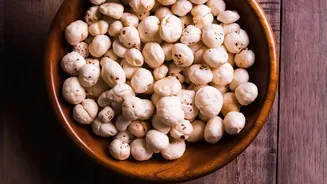
For centuries, makhana, also known as fox nuts or lotus seeds, held a quiet but significant place in Indian traditions. Primarily consumed during religious fasts like Navratri, it was valued for being a light yet energising food. Grown in the stagnant
ponds of Bihar, it was a regional specialty, deeply woven into the cultural fabric, especially in Mithila where it is used in everything from snacks to celebrations. The recent shift from ritual food to a mainstream "superfood" is driven by a surge in health consciousness. As consumers actively seek nutritious, natural, and convenient snack options, makhana has emerged as a perfect fit, aligning with modern dietary trends like gluten-free and plant-based eating.
A Nutritional Powerhouse
The secret to makhana's meteoric rise lies in its impressive nutritional profile. It is naturally low in calories, fat, and sodium, making it a guilt-free alternative to processed snacks like chips. It's a good source of plant-based protein and dietary fibre, which helps in keeping you feeling full and aids digestion. Furthermore, makhana is packed with essential minerals like magnesium, potassium, and calcium. Magnesium and potassium are crucial for regulating blood pressure and supporting heart health, while calcium contributes to bone strength. Its low glycemic index also makes it a suitable snack for those managing blood sugar levels.
The Boom in Branding and Innovation
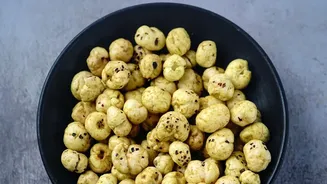
The journey from a loose commodity to a branded pantry staple was accelerated by a wave of new-age food startups. These companies repackaged makhana in modern, hygienic, and convenient formats, making it accessible to urban consumers. More importantly, they introduced a wide array of exciting flavours, transforming the simple roasted seed into a gourmet snack. Today, you can find makhana in flavours ranging from Peri-Peri and Achari Chatka to Cream & Onion and Caramel, catering to diverse palates. This innovation has made makhana a direct competitor to popcorn and other packaged snacks, significantly broadening its appeal.
An Economic Boost for Bihar
The makhana boom is not just a consumer trend; it's an economic success story. Bihar produces nearly 90% of India's makhana, with the Mithila region being the heart of its cultivation. The rising demand has transformed the lives of many farmers, turning a subsistence crop into a high-value commodity. Recognizing its importance, the government awarded the "Mithila Makhana" a Geographical Indication (GI) tag in 2022. This tag protects the unique origin and quality of the product, helping farmers get better prices and boosting its credibility in national and international markets. Recent government initiatives, including plans for a National Makhana Board, aim to further support farmers and strengthen the entire value chain, from cultivation to export.
More Than Just a Snack
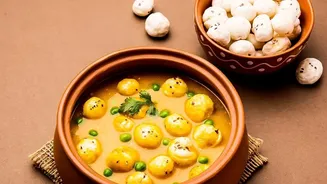
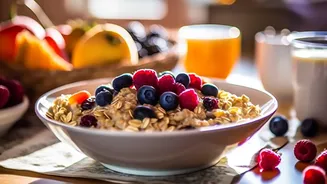
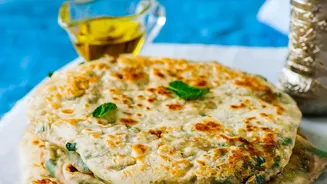
While flavoured makhana is leading the charge, its versatility in the kitchen is securing its place as a pantry staple. Beyond the snack bowl, makhana is incredibly adaptable in everyday cooking. It absorbs flavours beautifully in gravies, making it a wonderful addition to curries like Matar Makhana. It can be ground into a gluten-free flour for baking or making parathas. Creative cooks are using it as a crunchy topping for salads and soups, blending it into smoothies, and even making breakfast porridge and desserts like the traditional makhana kheer. This culinary flexibility ensures that makhana is no longer just a transient snack but a versatile ingredient for daily meals.