



The Rise of 'Noctourism'
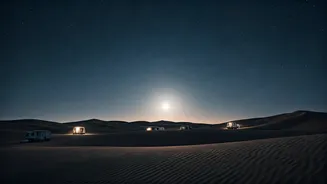
First, let’s define the term. ‘Noctourism,’ or night tourism, is a growing travel philosophy centered on experiencing a destination after sunset. It’s a direct response to our hyper-connected, light-polluted world. Instead of chasing daytime landmarks,
noctourists seek out the unique magic that only emerges in darkness, from spotting nocturnal wildlife to, in this case, gazing into the unfiltered cosmos. This isn't just about escaping the sun; it's about escaping the noise of modern life. It's a form of digital detox where the reward isn't a yoga pose, but a profound sense of scale and wonder. As more travelers prioritize unique, transformative experiences over simple sightseeing, the appeal of the night—especially a truly dark one—has become a luxury worth traveling for.
Why Ladakh Is a Stargazer's Paradise
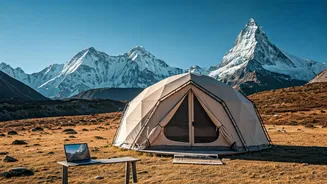
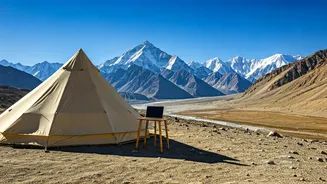
So why are people flying halfway around the world to a remote corner of the Indian Himalayas? Because Ladakh might just be one of the best places on Earth to see the stars. Perched on the Tibetan Plateau at an average elevation of over 11,000 feet, this 'Land of High Passes' has all the right ingredients for an astronomical spectacle. Its high altitude means there’s less atmosphere to distort the view. The air is incredibly dry, which prevents the haze and humidity that plague lower-lying areas. Most importantly, its remote location and sparse population mean there is virtually zero light pollution. The sky here isn’t just dark; it’s pristine. In 2022, this was made official with the establishment of the Hanle Dark Sky Reserve, India's first such sanctuary dedicated to preserving the natural night sky. It’s a formal recognition of what local communities and astronomers have known for years: Ladakh’s sky is a global treasure.
The Moonless Night Experience
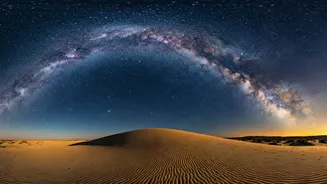
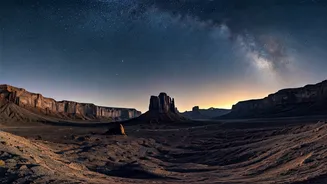
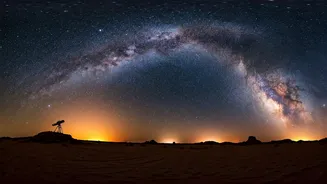
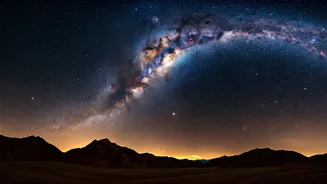
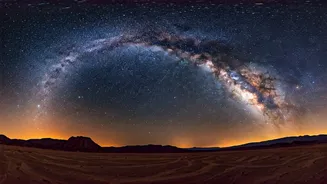
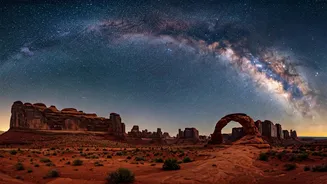
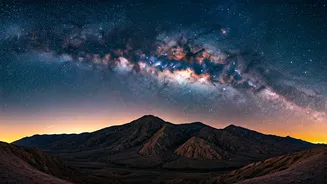
The headline specifically mentions 'moonless nights,' and for good reason. While a full moon can be beautiful, it’s also a giant source of natural light pollution, washing out fainter stars and the subtle textures of the Milky Way. On a moonless night in Ladakh—particularly during the new moon phase—the sky explodes with light. The Milky Way isn’t a faint, wispy cloud; it’s a brilliant, textured river of stars stretching from horizon to horizon, so bright it can feel almost three-dimensional. Visitors report seeing constellations with a clarity they've never imagined, easily spotting satellites cruising across the sky, and witnessing dozens of shooting stars. The experience is often guided by local experts or astronomers who operate powerful telescopes, allowing visitors to get breathtaking views of Saturn's rings, Jupiter's moons, and distant nebulae. But even without a telescope, the naked-eye view is powerful enough to be a core memory.
More Than Just Looking Up
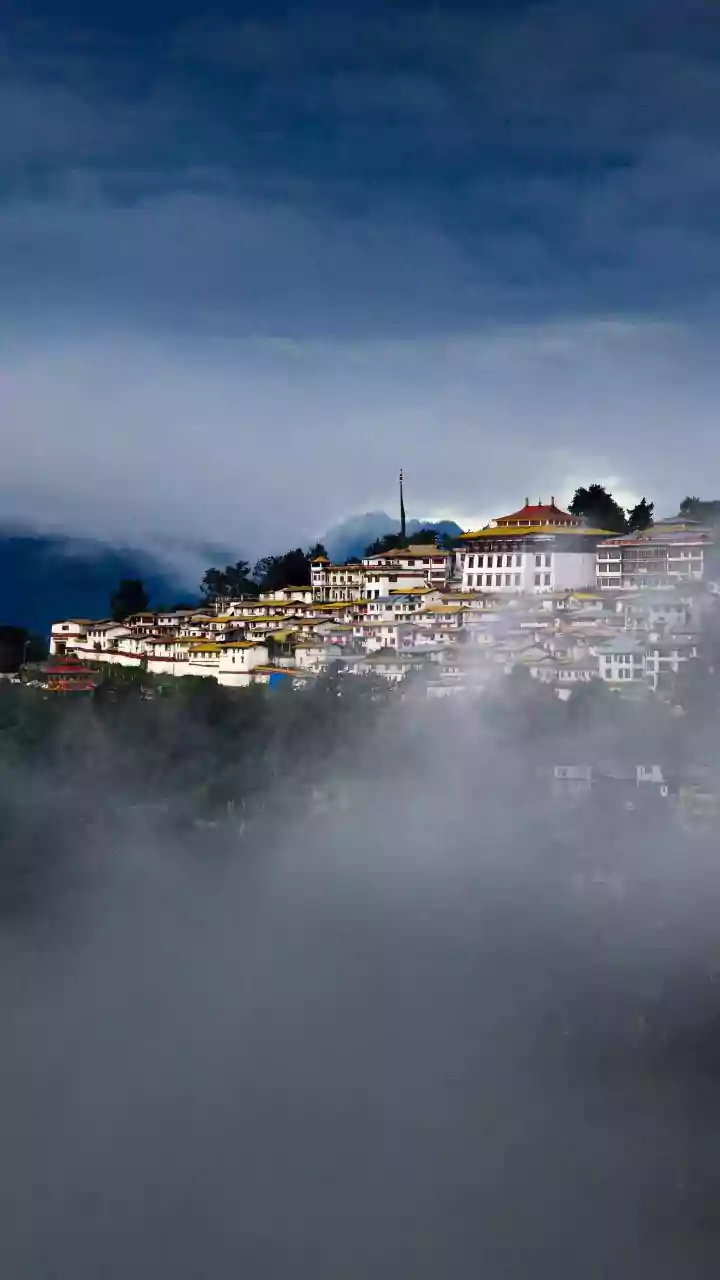
A noctourism trip to Ladakh is about more than just astronomy; it’s a deep cultural immersion. Many of these experiences are run by local communities, with travelers staying in traditional homestays. This model provides a vital source of sustainable income for villagers in remote areas like Hanle. Visitors spend their days acclimatizing to the altitude, exploring ancient monasteries, and learning about the unique Ladakhi way of life. Then, as night falls, they share a warm meal before venturing out into the crisp, cold air for the main event. It’s a holistic journey that connects you not only to the cosmos but also to the resilient people who call this starkly beautiful landscape home. This community-centric approach ensures that the benefits of tourism are shared, making the experience more meaningful for everyone involved.