




Why Smog is a Problem for Your Eyes
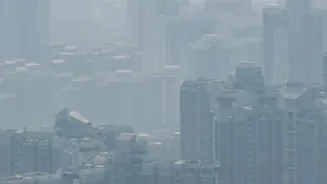
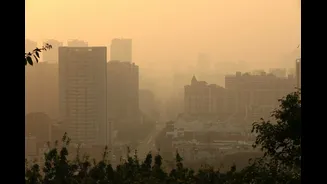
The air in a polluted city like Delhi is filled with a cocktail of fine particulate matter (PM2.5), dust, smoke, and chemical pollutants. Unlike glasses, contact lenses sit directly on the cornea, creating a surface where these airborne irritants can
accumulate. This build-up does two things: first, it physically irritates the eye, causing a gritty, sandy sensation. Second, these particles can disrupt the natural tear film that keeps your eyes moist, leading to accelerated evaporation, dryness, redness, and discomfort. This environment not only makes wearing lenses uncomfortable but also increases the risk of serious eye infections and conditions like Dry Eye Syndrome and Giant Papillary Conjunctivitis (GPC).
Switch to Daily Disposables
One of the most effective strategies during high-pollution season is to switch to daily disposable lenses. Experts agree this is a game-changer. Monthly or bi-weekly lenses can accumulate a stubborn film of pollutants over time, even with regular cleaning. Because you discard daily lenses after a single use, you start with a fresh, sterile pair every morning. This significantly reduces the risk of pollutant and bacteria buildup, preventing the cumulative irritation that often plagues wearers of extended-use lenses in smoggy conditions. While they may seem like an added expense, the benefit to your eye health and comfort during these critical months is substantial.
Upgrade Your Cleaning Regimen
If you continue to use monthly or bi-weekly lenses, your standard cleaning routine may not be enough. Diligence is key. Always wash your hands thoroughly with soap and water before handling your lenses. Use a fresh, high-quality multipurpose solution every single time—never top up old solution, as this can trap contaminants. When you clean your lenses, gently rub them with your fingertips for at least 20 seconds to physically dislodge stubborn deposits. On days when you’ve spent significant time outdoors, consider cleaning your lenses as soon as you get home, rather than waiting until bedtime, to remove irritants promptly.
Give Your Eyes a Break
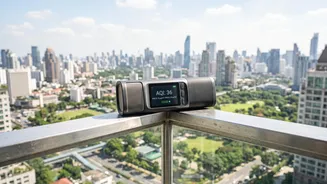
During periods of particularly poor air quality, the simplest solution is often the best: give your eyes a rest from contact lenses. Opt to wear your glasses instead, especially on days when the Air Quality Index (AQI) is in the 'Very Poor' or 'Severe' categories. Glasses create a physical barrier that can offer some protection from dust and airborne particles. Even if you can't go lens-free all day, try to limit your wear time. For example, wear glasses for the first half of the day and switch to contacts only when necessary. This reduces the total hours your eyes are exposed to trapped pollutants.
Soothe and Protect Throughout the Day
A few simple habits can make a big difference in daily comfort. Use preservative-free lubricating eye drops—often labelled as 'artificial tears'—to keep your eyes hydrated and help flush out irritants. It’s wise to keep these drops with you and apply them whenever your eyes feel dry or gritty. Additionally, wearing wraparound sunglasses when outdoors provides an extra shield against wind and dust. Finally, resist the urge to rub your eyes. This can make irritation worse and potentially scratch your cornea with the trapped particles. If you feel discomfort, flush your eyes with lubricating drops instead.